
How To
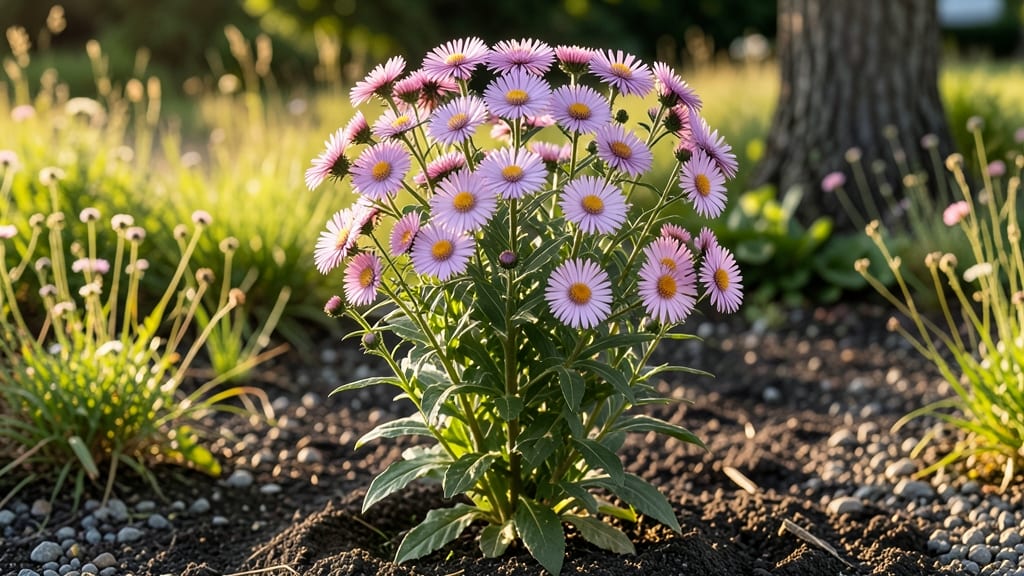
If you're planning your garden and wondering how tall New England asters grow, you're in the right place—these sun-loving perennials can reach 3 to 5 feet at maturity, making them a standout addition to any late-summer landscape. 🌼
Picture this: a towering burst of purple, pink, or white blooms swaying in the breeze, drawing in bees and butterflies while adding height and drama to your garden beds.
But before you plant, knowing their mature size helps you space them just right—too close, and they’ll compete for sunlight; too far apart, and your garden might look sparse.
What’s great about New England asters is their versatility. In USDA zones 5b-6b, they thrive in full sun and well-draining soil, growing steadily from 1-2 feet in their first year to their full height by year three.
Whether you’re pairing them with shorter perennials or using them as a natural backdrop, their height makes them a game-changer for pollinator-friendly designs.
Ready to learn how to manage their growth, choose the right varieties, and create a stunning garden display? Let’s dive into the details so you can make the most of these hardy, eye-catching plants.


New England aster height range: what to expect from 3 to 5 feet of stunning blooms
New England asters (Symphyotrichum novae-angliae) are one of the tallest and most vibrant late-summer perennials, reaching heights that can transform your garden into a pollinator paradise. On average, these 3- to 5-foot-tall beauties thrive in full sun, creating dramatic vertical interest that pairs perfectly with shorter perennials.
Their height makes them ideal for back-of-border plantings or as focal points in cottage-style gardens.
If you're planning your garden layout, knowing the mature height of New England asters is key. Unlike shorter perennials like black-eyed Susans or cone flowers, which typically max out at 2-3 feet, asters grow taller, often reaching 5 feet or more in ideal conditions.
This means you’ll need to allocate 18-24 inches of space between plants to prevent overcrowding and ensure airflow, which is crucial for preventing fungal diseases like powdery mildew.
Here’s a quick comparison to help you visualize their size: Imagine a standard garden bed (about 12 inches tall) — New England asters will tower well above it, often reaching the height of a small child or a 2-foot-tall stool.
Their upright, branching stems create a natural arch, making them perfect for adding height to pollinator gardens or mixed borders.
| Growth Stage | Height Range | Spacing Needs | Best For |
|---|---|---|---|
| Year 1 | 1–2 feet | 12–18 inches apart | Container gardens |
| Year 2 | 2–3 feet | 18–24 inches apart | Back of borders |
| Mature (Years 3+) | 3–5 feet | 24–36 inches apart | Pollinator havens |
🌼 Pro Tip: For smaller gardens, consider dwarf varieties like 'Andenken an Alma Potschke,' which max out at 2 feet.
One factor that influences height is sunlight exposure. New England asters thrive in full sun (6+ hours daily), but if planted in partial shade, they may grow shorter—sometimes as little as 2-3 feet tall.
This is why I always recommend placing them in the sunniest spot of your garden, especially in USDA Zones 5b-6b, where they’re hardy and can handle cooler climates. In warmer zones, they may grow even taller if given consistent moisture and nutrients.
Another way to manage height is by choosing the right variety. Some cultivars, like 'Harvest Moon' or 'Albert Cheney', stay on the shorter side (around 3 feet), while others, like the wild-type varieties, can stretch toward 5 feet.
If you’re working with limited space, semi-dwarf varieties are a great compromise, offering 2-3 feet of height without overwhelming smaller gardens.
When designing your garden, think about how New England asters will interact with other plants. Their height makes them perfect for creating vertical layers, especially when paired with shorter perennials like catmint or salvia.
I often plant them behind black-eyed Susans or cone flowers to create a cascading effect that draws the eye upward. Just be sure to leave enough space—24-36 inches between plants—to avoid competition for nutrients and sunlight.
If you’re growing New England asters in containers, expect them to reach 2-3 feet tall at most, as root-bound conditions limit their growth. For container gardening, I recommend choosing dwarf varieties or pruning regularly to keep them manageable.
A 15-20 gallon pot with well-draining soil will give them enough room to thrive without becoming top-heavy.
Finally, don’t forget that pruning habits can influence height. If you want to encourage bushier, shorter growth, pinch back the stems in early summer. This prevents them from getting too leggy and ensures a fuller, more compact plant.
For taller, more dramatic blooms, skip the pruning and let them grow naturally—just be prepared to stake them if they flop in windy conditions.
With their bold purple, pink, or white blooms and late-season appeal, New England asters are a gardener’s dream.
Just remember: space them properly, give them full sun, and choose the right variety for your garden size, and you’ll have stunning vertical interest that keeps blooming until the first frost.
New England aster height range: what to expect from 3 to 5 feet of stunning blooms
New England asters (Symphyotrichum novae-angliae) are late-summer superstars that can reach 3 to 5 feet tall at maturity, creating dramatic vertical interest in your garden. Their bold purple, pink, or white daisy-like blooms thrive in full sun and attract bees, butterflies, and birds—making them a pollinator magnet.
But how does this height compare to other tall perennials, and how should you plan your garden layout?
Unlike shorter perennials like black-eyed Susans (2-3 feet) or coneflowers (2-4 feet), New England asters often outgrow them, making them ideal for back-of-border plantings or cut-flower gardens. Their tall, sturdy stems support their weight, but they may lean in windy conditions without proper support.
If you’re designing a pollinator-friendly meadow or a wildflower garden, their height helps create a natural, layered look.
| Growth Stage | Height Range | Best For |
|---|---|---|
| Year 1 | 1–2 feet | Establishing roots |
| Year 2 | 2–3 feet | Border plantings |
| Mature (Years 3+) | 3–5 feet | Backdrop, cut flowers, wildlife habitats |
For container gardening, opt for dwarf varieties like 'Andenken an Alma Potschke' (2–3 feet) or 'Harvest Moon' (2–3 feet), which stay compact but still deliver abundant blooms.
In garden beds, space mature plants 18–24 inches apart to prevent overcrowding and allow airflow, reducing the risk of powdery mildew—a common fungal issue in dense plantings.
If you’re growing New England asters in USDA Zones 5b–6b, they’ll thrive with minimal winter care, returning year after year. Their fast growth rate means they can reach 2–3 feet by midsummer, so plan ahead if you’re using them as a privacy screen or windbreak.
Pair them with taller grasses like switchgrass or little bluestem to add texture and movement to your landscape.
One key tip for managing height: Deadhead spent blooms in early fall to encourage a second flush of flowers and prevent the plant from putting energy into seed production. This keeps the stems stronger and more upright for longer.
For wind-prone areas, consider light staking or planting near a fence or trellis to provide support without sacrificing their natural look.
New England asters aren’t just tall—they’re versatile. Use them to frame a patio, soften a fence line, or anchor a wildflower meadow. Their late-season blooms (August–October) provide color when many other perennials have faded, making them a garden essential for extending your seasonal interest.
With the right spacing and care, their 3–5 feet of height will become one of your garden’s most show-stopping features.