
How To
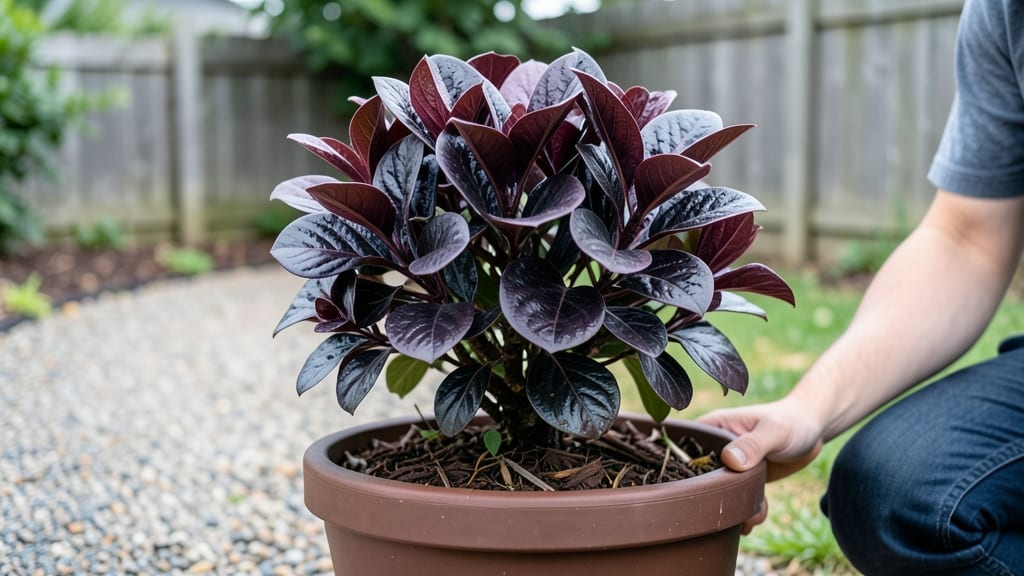
Curious about how tall does Persian Shield grow before it steals the spotlight in your garden? This stunning 🌿 Persian Shield (Strobilanthes dyerianus) stays compact—typically reaching just 2 to 3 feet—making it perfect for borders, containers, or even as a striking houseplant.
What makes it so versatile is how its height adapts to your space. In full sun, it might lean toward the taller end of that range, while partial shade keeps it more contained.
Whether you're planning a patio display or a windowsill garden, knowing its growth habits ensures you place it just right.
Beyond its height, Persian Shield thrives with minimal fuss—ideal for busy gardeners. We’ll dive into how to maintain its signature 3-foot elegance, control legginess, and pair it with complementary plants for a cohesive look. Ready to transform your garden without the hassle?
Let’s explore how this low-maintenance beauty fits into your outdoor (or indoor!) design—no guesswork required.


Persian Shield height: the 3-Foot growth range explained
When planning your garden layout, knowing the mature height of Persian Shield (Strobilanthes dyerianus) is key to creating a balanced look. This stunning plant typically reaches 12 to 36 inches tall, making it ideal for containers, borders, or hanging baskets.
Its compact size ensures it won’t dominate your space but will still make a bold statement with its deep purple foliage.
The average Persian Shield height falls between 2 to 3 feet, though some varieties may stay shorter at 1 to 2 feet if grown in containers. This makes it perfect for patio gardens, windowsills, or indoor decor where space is limited.
Understanding its growth range helps you avoid overcrowding or underutilizing your garden beds.
Here’s a quick breakdown of what to expect from your Persian Shield’s growth:
| Growth Stage | Height Range | Ideal Placement |
|---|---|---|
| Seedling | 3–6 inches | Small pots or trays |
| Young Plant | 12–18 inches | Containers or garden beds |
| Mature Plant | 24–36 inches | Borders, hanging baskets, or shelves |
The growth rate of Persian Shield depends on several factors, including sunlight exposure, soil quality, and pruning habits. In ideal conditions—like bright indirect light and well-draining soil—your plant may reach its mature height within 1 to 2 years.
However, if grown in lower light conditions, it may stay shorter and more bushy, which can actually enhance its appeal for smaller spaces.
For outdoor gardens, Persian Shield thrives in USDA Zones 10–12, where it can grow slightly taller due to warmer climates. In cooler zones, it’s best grown as an annual or container plant that you can bring indoors during winter.
This adaptability makes it a versatile choice for gardeners in various climates.
One common misconception is that Persian Shield will grow much taller than its 3-foot limit. However, without proper care—like regular pruning and balanced fertilization—it may become leggy or overgrown. By staying proactive, you can keep its height in check while encouraging a fuller, more vibrant appearance.
If you’re using Persian Shield in hanging baskets or vertical gardens, its trailing habit can add a stunning cascading effect. Even at its full height, it won’t overpower other plants, making it a great companion for succulents, ferns, or other shade-loving plants.
Pair it with Swedish Ivy or Fittonia for a cohesive, low-maintenance display.
To maximize its growth potential, ensure your Persian Shield gets 4 to 6 hours of indirect sunlight daily. Avoid placing it in direct afternoon sun, which can scorch its leaves.
Instead, opt for an east-facing window or a partially shaded outdoor spot to keep it thriving without stressing its growth.
Remember, the height of Persian Shield isn’t set in stone—it’s influenced by your care routine. With the right conditions, you’ll enjoy its compact elegance and lush foliage for years to come. Whether you’re a beginner or a seasoned gardener, this plant’s manageable size makes it a joy to grow.
Persian Shield height: the 3-Foot growth range explained
Understanding the mature height of Persian Shield (Strobilanthes dyerianus) is key to placing it perfectly in your garden or containers. This stunning plant typically reaches 12 to 36 inches tall, making it an ideal choice for small spaces, borders, or hanging baskets.
Its compact growth habit ensures it won’t overwhelm your layout while providing vibrant foliage year-round.
The growth rate of Persian Shield is moderate, with most plants reaching their full height within 2-3 years. In the first year, expect growth of about 12–24 inches, while mature plants may stretch slightly taller—especially if given ideal conditions like bright, indirect light and well-draining soil.
This predictable growth makes it a favorite for gardeners planning tight spaces.
🌿
Several factors influence how tall your Persian Shield grows. Sunlight exposure plays a critical role—too much direct sun can stunt growth, while bright indirect light encourages healthier, bushier plants. Soil quality matters too; well-draining, slightly acidic soil (pH 6.0–6.5) supports optimal growth, while poor drainage can lead to leggy, weaker stems.
Container size also affects height. If you’re growing Persian Shield in pots, choose containers that are at least 12 inches wide to accommodate its root system. Smaller pots may restrict growth, while larger ones can encourage faster, fuller development.
For outdoor planting, space plants 12–18 inches apart to allow airflow and prevent overcrowding.
Pruning is another way to control height. Regular trimming—especially after the plant flowers—helps maintain its compact shape and encourages denser foliage. I like to prune mine lightly in spring to shape it and remove any leggy stems.
This not only keeps the plant looking neat but also prevents it from becoming too tall or sparse.
For those growing Persian Shield indoors, expect slightly shorter heights (around 12–24 inches) due to limited light and space. To maximize growth, place it near an east-facing window or under grow lights for 4–6 hours daily.
Outdoor plants, however, can reach the upper end of the height range if given ideal conditions.
🌱