
How To
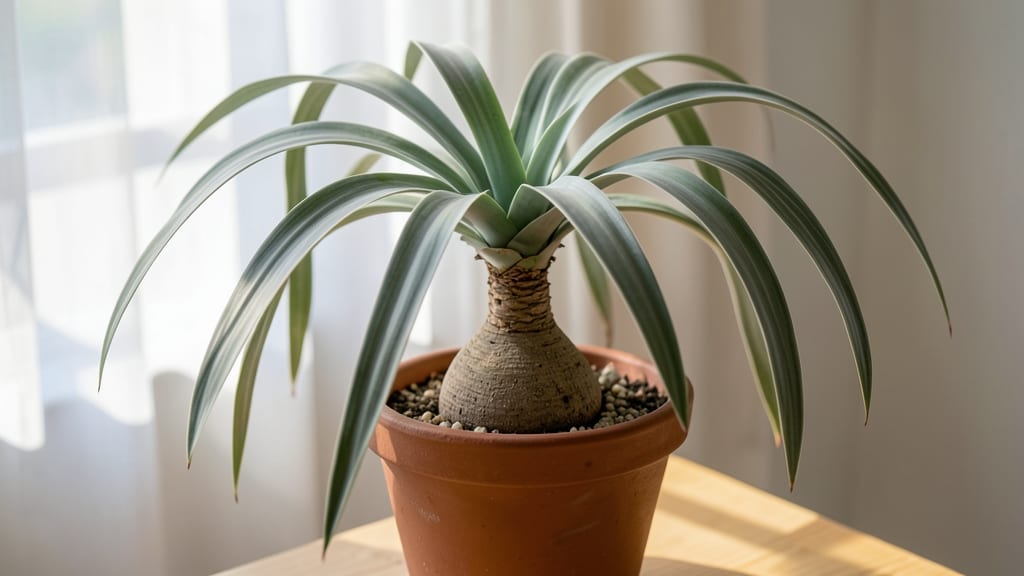
Wondering how tall does ponytail palm grow in your space? This striking 🌵 plant can become a stunning vertical statement piece—but its final height depends entirely on where you grow it.
Indoors, your ponytail palm typically reaches 3 to 6 feet at maturity, making it perfect for adding drama to living rooms or offices without overwhelming small spaces.
The key to encouraging this height is giving it plenty of bright, indirect light and a pot just slightly larger than its root ball.
Outdoors in warmer climates, however, this plant can stretch dramatically taller—10 to 15 feet or more—when planted in the ground. The difference comes down to space, sunlight exposure, and proper care that mimics its natural desert environment.
Let's explore exactly how to support your ponytail palm's growth potential, whether you're working with limited indoor space or aiming for a bold outdoor specimen. You'll discover the secrets to maximizing its height while keeping it healthy and thriving.


Ponytail palm height limits: indoor growth expectations and space requirements
When you bring a ponytail palm (Beaucarnea recurvata) indoors, you're not just adopting a plant—you're inviting a slow-growing architectural marvel that can transform your space over years. Indoors, these plants typically mature between 3 to 6 feet tall, though some may stay shorter if conditions aren’t ideal.
The key to unlocking their full height potential lies in understanding their growth habits and environmental needs.
Unlike fast-growing houseplants, ponytail palms grow at a glacial pace, adding only a few inches per year. This makes them perfect for small spaces where you want a statement plant without the maintenance.
However, their height is heavily influenced by factors like light exposure, pot size, and humidity levels. Let’s break down what you can expect and how to maximize their growth indoors.
🌱 Did You Know?
The ponytail palm’s indoor height is directly tied to its container size. When planted in a small pot (6–8 inches in diameter), expect growth to stay under 3 feet tall.
However, if you upgrade to a larger container (12+ inches), you’ll see heights reach 5–6 feet over 5–10 years. The rule of thumb? Bigger pots = taller palms, but only up to a point—once the roots fill the container, growth slows again.
Light is another critical factor. Ponytail palms thrive in bright, indirect light, but they can tolerate some direct sun (especially morning sunlight). Place yours near a south- or west-facing window to encourage upward growth.
Without enough light, your plant may stretch unnaturally or grow leggy, which can limit its height and make it look top-heavy. A grow light (12–14 hours/day) can help if natural light is lacking.
Humidity plays a subtle but important role in indoor growth. Ponytail palms are drought-tolerant, but they do better in moderate humidity (40–50%). In dry indoor environments (like heated homes in winter), their growth may slow.
A pebble tray with water or occasional misting can help, though avoid soggy soil—root rot is a common killer of these plants.
To maximize height indoors, consider these pro tips:
- Rotate the pot quarter-turns every few weeks to ensure even growth.
- Use a well-draining soil mix (cactus/succulent blend) to prevent root issues.
- Avoid over-fertilizing—once a year in spring is enough.
- Prune brown or damaged leaves to redirect energy upward.
If space is limited, don’t worry—you can control height with pruning. Simply trim the top growth to encourage bushier, shorter growth. Just be sure to sterilize your tools and let cuts heal before watering again.
This method works well for keeping ponytail palms under 3 feet tall in small apartments.
Here’s a quick growth timeline for indoor ponytail palms:
- Year 1: 1 foot tall
- Year 3: 2–3 feet tall
- Year 5: 3–4 feet tall
- Year 10: 5–6 feet tall (with ideal care)
Remember, the ponytail palm’s height indoors is all about balance. Too much light or water can stress it, while too little can stunt it. Observe your plant’s response and adjust care accordingly.
With the right approach, your ponytail palm will thrive and reach its full indoor height potential—no skyscraper required!
Outdoor ponytail palm growth: how climate and location affect height and spread
When your ponytail palm (Beaucarnea recurvata) steps outside, it transforms from a modest houseplant into a dramatic architectural statement. In ideal outdoor conditions, this drought-resistant beauty can soar to 10–15 feet tall or even taller, with a spread of 6–8 feet.
The difference between indoor and outdoor growth isn’t just height—it’s about climate resilience, soil freedom, and unmatched sunlight exposure.
Outdoor ponytail palms thrive in USDA hardiness zones 9–11, where warm winters and long growing seasons fuel their rapid growth. In cooler zones, they’ll still grow but may stay shorter unless protected from frost.
The key to unlocking their full potential lies in location, sunlight, and soil—all factors that give them the freedom to stretch their legs (or rather, their trunks) like never before.
Here’s how outdoor conditions dramatically impact your ponytail palm’s height and spread:
| Factor | Indoor Growth | Outdoor Growth |
|---|---|---|
| Height Potential | 3–6 feet | 10–15+ feet |
| Sunlight Access | 6+ hours (south window) | Full sun (8+ hours daily) |
| Soil Freedom | Pot-bound roots | Unrestricted root spread |
| Water Needs | Every 2–3 weeks | Deep soak monthly (drought-tolerant) |
| Growth Speed | Slow (1–2 ft/year) | Moderate (2–3 ft/year) |
In landscapes, ponytail palms develop a thick, bulbous base that stores water, allowing them to survive dry spells. This adaptation lets them focus energy on vertical growth, especially in well-draining, sandy soils common in desert or Mediterranean climates.
For example, a ponytail palm in Arizona or California might reach 12–15 feet in 5–7 years, while one in Florida’s humid heat may grow slightly slower but still surpass 10 feet.
Container-grown outdoor ponytail palms will stay shorter—typically 6–8 feet—unless you repot every 2–3 years to accommodate their roots. The trick is to choose large, shallow pots with drainage holes and a cactus/succulent mix to prevent root rot.
Even in containers, outdoor palms grow 30–50% taller than their indoor counterparts due to unlimited sunlight and natural airflow.
If you live in a cooler climate (zones 7–8), plant your ponytail palm in a sheltered, south-facing spot against a wall or fence for winter protection. With the right care, it can still reach 8–10 feet over time, though growth may slow during cold snaps.
The key is to mulch heavily in winter and avoid overwatering—both can stunt growth and invite pests.
For maximum height, give your ponytail palm the space it craves. In gardens, it pairs beautifully with agave, yucca, or ornamental grasses, creating a desert-inspired oasis that thrives with minimal fuss. Just remember: the more freedom you give it, the taller—and more stunning—it’ll become! 🌵