
How To
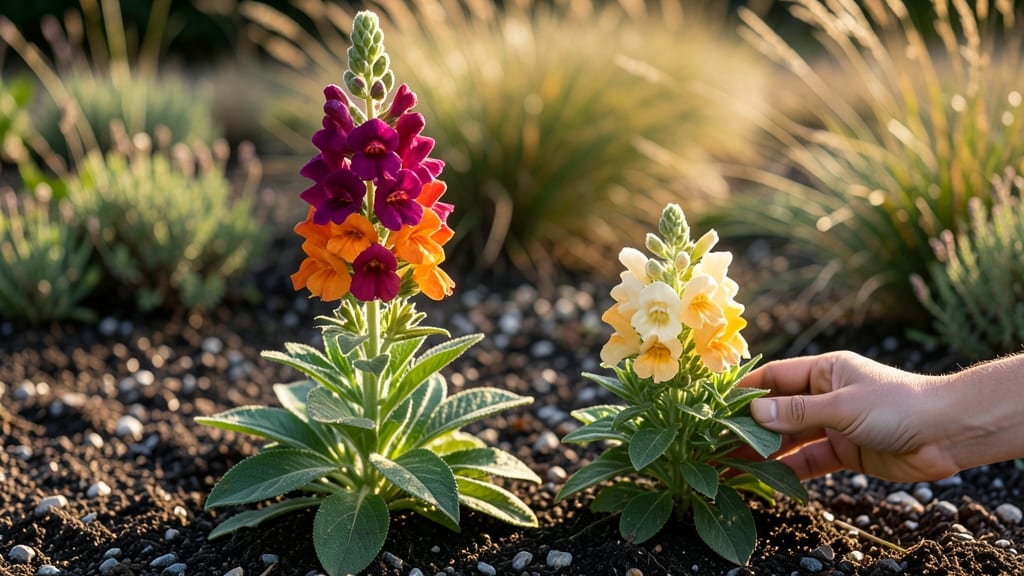
If you're planning your garden layout and wondering "how tall do snapdragons grow", you're in for a pleasant surprise—these 🌸 beauties can stretch from tiny tabletop charmers to towering floral statements, depending on the variety you choose.
From the compact 'Tom Thumb' varieties that stay under 12 inches to the impressive 'Black Knight' reaching nearly 4 feet, snapdragons offer something for every garden space.
The right spacing and care can make the difference between a crowded mess and a showstopping display that draws in pollinators and admirers alike.
Whether you're filling window boxes with dwarf snapdragons or creating dramatic backdrops with tall varieties, understanding their growth habits is the key to maximizing their potential.
I'll walk you through the best practices for spacing, support, and even pruning to help your snapdragons reach their full height—without sacrificing those stunning blooms.
Ready to transform your garden with these versatile flowers? Let’s dive into the secrets of snapdragon heights and how to get the most out of every plant—no matter how tall (or short) you want them to grow.


Snapdragon height variations: dwarf to giant varieties explained
Snapdragons (Antirrhinum majus) are one of the most versatile flowers in your garden, offering heights ranging from just 6 inches to over 4 feet. This dramatic variation means you can choose varieties that perfectly fit your space—whether it's a tiny windowsill container or a sprawling backyard border.
The key to maximizing their beauty lies in understanding how each height category grows and thrives.
Most gardeners focus on three main height categories: dwarf, semi-dwarf, and standard/giant. Dwarf varieties like 'Tom Thumb' stay under a foot tall, making them ideal for edging or fairy gardens.
Meanwhile, giants like 'Black Knight' can stretch to 4 feet or taller, perfect for cut flowers or dramatic backdrops. Even within these categories, individual varieties can vary by 6-12 inches, so always check seed packets for specifics.
Here's the breakdown you need to plan your garden layout:
| Variety Type | Height Range | Growth Habit | Best Uses |
|---|---|---|---|
| Dwarf | 6–12 inches | Compact, bushy | Containers, borders, fairy gardens |
| Semi-Dwarf | 1–2 feet | Upright, moderate spread | Window boxes, mixed borders, cut flowers |
| Standard | 2–3 feet | Tall, sturdy stems | Back of borders, cut flower arrangements |
| Giant | 3–4+ feet | Very tall, may need support | Dramatic backdrops, cut flower stems |
Popular varieties like 'Rocket' (semi-dwarf) reach 18–24 inches and produce abundant blooms perfect for cutting. Meanwhile, 'Black Knight' (giant) can top out at 4 feet and thrives in full sun.
Even within the same height category, some varieties like 'Cupcake' (dwarf) stay under 10 inches, while 'Dragonfly' (standard) hits 3 feet. Always verify seed packets—some "dwarf" varieties might surprise you with 12-inch heights!
Height also affects how snapdragons perform in containers. Dwarf varieties like 'Tom Thumb' thrive in 6-inch pots, while giants need 12-inch or larger containers to support their weight.
For in-ground planting, taller varieties benefit from sturdy stems that can handle wind, but they may still need staking or cages in exposed areas. Even semi-dwarf varieties like 'Butterfly' (18 inches) can flop without support.
Color patterns don't correlate with height, so you can mix tall pink 'Rocket' with short purple 'Tom Thumb' for a stunning vertical display. Just remember: taller snapdragons need more space between plants to prevent competition for nutrients and sunlight.
In my own garden, I've learned that overcrowding dwarf varieties leads to leggy stems, while under-spacing giants results in weak, floppy blooms.
First-year growth is typically 50% of the mature height, so a 4-foot giant might only reach 2 feet its first season. This makes it easier to estimate spacing early on.
For example, if you plant 'Black Knight' in 18-inch spacing, you'll avoid the disappointment of stems bending under their own weight. Always plant deeper than the root ball to encourage stronger root development for taller varieties.
Height also influences bloom production. Taller snapdragons often produce fewer but larger flowers, while dwarfs offer more compact, prolific blooms. If you're growing snapdragons for cut flowers, giants like 'Black Knight' provide longer stems, but you'll need to harvest frequently to encourage continuous flowering.
For garden beds, semi-dwarfs like 'Butterfly' offer the perfect balance of height and abundance.
Pro tip: Mix heights in odd-numbered groupings (e.g., 3 plants of varying heights) for a natural, full look. This creates visual interest while ensuring no single variety dominates the space.
In my container gardens, I often pair one tall snapdragon with two dwarf varieties to fill space without overpowering the design. The key is to let each variety shine while maintaining harmony in the overall layout.
Snapdragon height variations: dwarf to giant varieties explained
Snapdragons are one of the most versatile flowers in your garden, offering heights that range from just 6 inches to towering 4 feet. This dramatic difference means you can use them in everything from window boxes to tall borders.
Understanding these variations helps you choose the perfect variety for your space and design goals.
The height of your snapdragons depends entirely on the variety you select. Dwarf snapdragons stay compact, making them ideal for containers or edging, while tall varieties reach heights perfect for cut flower arrangements or dramatic garden backdrops.
Let’s break down the key categories to help you plan your garden layout.
| Variety | Height Range | Best Uses |
|---|---|---|
| Dwarf (e.g., 'Tom Thumb') | 6–12 inches | Containers, window boxes, edging |
| Semi-Dwarf (e.g., 'Matrix') | 1–2 feet | Borders, mixed containers, small gardens |
| Standard (e.g., 'Rocket') | 2–3 feet | Cut flowers, tall borders, back-of-bed planting |
| Giant (e.g., 'Black Knight') | 3–4 feet | Dramatic backdrops, cut flower arrangements, large gardens |
For example, the 'Tom Thumb' variety stays under a foot tall, making it perfect for patio pots or hanging baskets. On the other hand, the 'Black Knight' variety can reach nearly 4 feet, creating a stunning vertical element in your garden.
Choosing the right height ensures your snapdragons thrive without overcrowding or flopping over.
Height also affects how you harvest and maintain your snapdragons. Taller varieties need staking or support to prevent them from bending under the weight of their blooms, while dwarf varieties are more self-sufficient.
This means your garden design should account for both the visual impact and the practical care required for each variety.
If you’re planting snapdragons in containers or small spaces, opt for dwarf or semi-dwarf varieties to maximize your growing area. For larger gardens, taller varieties create a focal point and add depth to your landscape.
Always check the seed packet or plant tag for specific height expectations, as some varieties can vary slightly based on growing conditions.
Finally, remember that snapdragons grow best in full sun and well-draining soil. Providing these conditions will help your chosen varieties reach their full height potential, ensuring a vibrant and healthy display from early summer through fall. 🌸