
How To
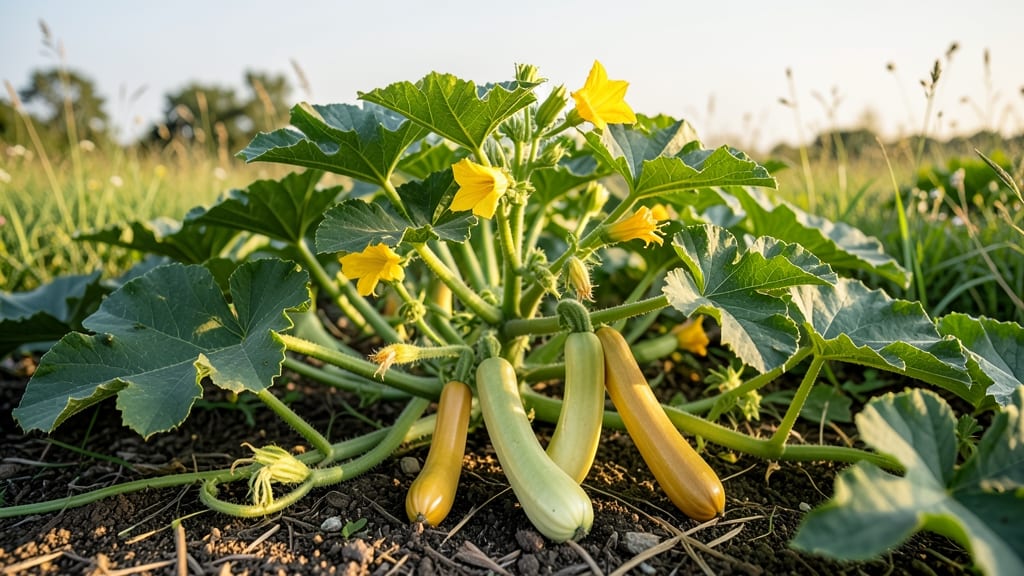
If you're wondering how tall summer squash grow, the answer might surprise you—especially when comparing bush varieties to their vining cousins! While some compact types stay neatly under 2 feet, others sprawl out like eager vines reaching for the sky, sometimes stretching 3 feet or more.
This difference isn’t just about aesthetics—it’s the key to planning your garden layout. Bush varieties (like 'Eight Ball') thrive in tight spaces, while vining types (such as 'Straightneck') need room to roam. Getting this right means fewer crowded plants and a bigger harvest come summer.
But here’s the twist: even within the same category, heights can vary based on soil, sunlight, and even your watering habits. I’ll break down the exact space needs for popular varieties and share pro tips to keep your 🎃 summer squash growing strong—no tangled messes here!
Ready to choose the perfect fit for your garden? Let’s dive into the details so you can pick the right type, plant it just right, and watch your squash flourish all season long.


Summer squash height guide: bush vs vining types explained
Summer squash plants vary dramatically in height, depending on whether you choose bush or vining varieties. Understanding these differences helps you plan your garden layout and maximize space for a bountiful harvest. Bush types stay compact, while vining varieties sprawl—sometimes reaching 6 feet or more if left unchecked.
For bush summer squash, expect mature heights between 1-1.5 feet, making them perfect for small gardens or containers. These varieties produce fruit close to the ground, reducing the need for trellises. Meanwhile, vining summer squash can grow 2-3 feet tall with sprawling vines extending 3-5 feet outward.
Here’s the key difference: bush varieties grow like compact shrubs, while vining types behave more like sprawling vines, similar to cucumbers. Your choice depends on your garden’s size, sunlight exposure, and how much space you’re willing to dedicate to trellising or sprawling growth habits.
Proper spacing is critical. Bush varieties need 2-3 feet between plants, while vining types require 4-6 feet of space or a sturdy trellis to contain their sprawl. Skimping on space leads to crowded plants, increased disease risk, and reduced yields—so plan accordingly!
Let’s break down the height differences and space requirements in detail to help you choose the right variety for your garden setup.
Summer Squash Height Comparison
| Type | Mature Height | Spreading Width | Spacing Needs | Best For |
|---|---|---|---|---|
| Bush Varieties | 1-1.5 ft | 2-3 ft | 2-3 ft apart | Small gardens, containers |
| Semi-Bush Varieties | 1.5-2.5 ft | 3-4 ft | 3-4 ft apart | Medium gardens, raised beds |
| Vining Varieties | 2-3 ft (plant) | 4-6 ft (vines) | 4-6 ft apart or trellis | Large gardens, trellises |
Note: Vining types may need pruning to control spread and improve airflow.
If you’re short on space, bush varieties like 'Eight Ball' or 'Patio Star' are excellent choices. These stay under 1.5 feet tall and produce abundant fruit without sprawling. For larger gardens, vining types like 'Straightneck' or 'Yellow Crookneck' thrive when given room to spread or climb a trellis.
One common mistake is assuming all summer squash grow the same way. Vining varieties can quickly overtake nearby plants if not managed, while bush types may struggle in crowded conditions. Always check the seed packet for specific growth habits—this small step saves you from overcrowding headaches later!
For container gardening, stick to bush varieties in 5-gallon pots or larger. Vining types need more space and may require a vertical trellis to save room. If you’re using containers, ensure they have drainage holes and use a lightweight potting mix to support healthy root growth.
Another tip: if you’re growing multiple varieties, place bush types near the edges of your garden bed and vining types in the center. This prevents vines from encroaching on other plants and makes harvesting easier.
Always leave at least 3 feet between vining plants and garden edges to avoid vine creep.
Finally, consider your sunlight exposure. Both bush and vining summer squash need 6-8 hours of full sun daily, but vining types may need extra support if grown in partial shade.
If your garden gets less than 6 hours of sun, opt for bush varieties—they’re more forgiving in lower-light conditions.
Now that you know the height differences, you’re ready to choose the perfect summer squash for your space. Whether you’re a beginner with limited room or an experienced gardener with a sprawling plot, the right variety will make all the difference in your harvest! 🌱
Summer squash height guide: bush vs vining types explained
Summer squash plants can vary dramatically in height depending on whether they're bush types or vining varieties. This difference affects everything from your garden layout to how much space you need to allocate. Understanding these growth habits helps you avoid overcrowding while maximizing your harvest potential.
Bush varieties typically stay compact, reaching just 1-1.5 feet tall at maturity. These are perfect for small gardens or containers, offering easy access to their fruits. On the other hand, vining types can sprawl 6-10 feet long if left unchecked, requiring trellises or ample ground space.
| Type | Height Range | Spread | Spacing Needs | Best For |
|---|---|---|---|---|
| Bush Varieties | 1-1.5 ft | 2-3 ft | 18-24" apart | Containers, small gardens |
| Semi-Bush | 1.5-2.5 ft | 3-4 ft | 24-30" apart | Medium gardens, raised beds |
| Vining Varieties | 2-3 ft tall | 6-10 ft long | 3-4 ft apart | Large gardens, trellises |
For example, the Bush Champion variety stays under 2 feet tall, making it ideal for urban gardeners with limited space. Meanwhile, Yellow Crookneck vining types can spread aggressively, needing at least 3 feet of clearance in all directions to thrive.
When planning your garden, consider how much vertical and horizontal space each plant will need. Bush varieties work well in raised beds or container gardens, while vining types often benefit from trellis support to save space and improve air circulation.
Proper spacing isn't just about height—it's also about preventing diseases. Crowded plants create poor airflow, increasing the risk of powdery mildew and other fungal issues. Always follow the spacing guidelines for your specific variety to ensure healthy growth.
If you're unsure which type to choose, start with a mix of both. Bush varieties provide quick harvests, while vining types often produce larger fruits. This combination gives you the best of both worlds in your garden layout.