
How To
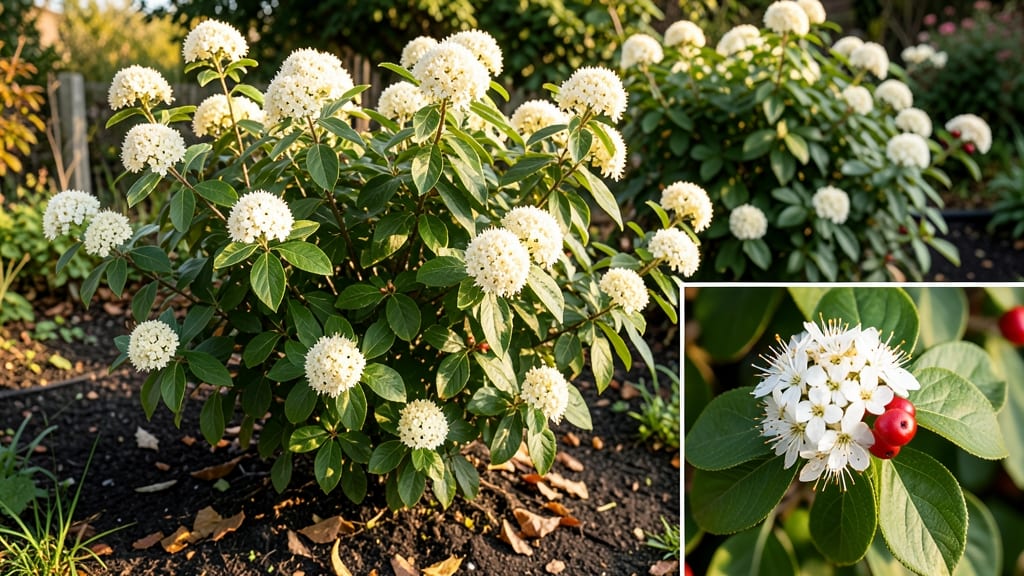
Sweet viburnum height range: what to expect without pruning
If you’re wondering how tall does sweet viburnum grow, the answer depends on whether you’re letting it reach its natural potential or managing its height through pruning.
Without pruning, sweet viburnum (Viburnum odoratissimum) typically grows between 10 to 20 feet tall, though most gardeners see it reach 12 to 15 feet in ideal conditions. This makes it a towering shrub that can dominate a garden space if left unchecked.
The natural growth habit of sweet viburnum is upright and multi-stemmed, with a rounded canopy that spreads 8 to 12 feet wide. Its height is influenced by factors like sunlight exposure, soil fertility, and climate conditions.
In regions with longer growing seasons, like USDA zones 6 to 9, it grows faster and taller than in cooler climates.
Here’s what you can expect in terms of yearly growth rates:
- Year 1: 1–2 feet
- Year 2: 3–4 feet
- Year 3: 5–7 feet
- Mature height (5–7 years): 10–20 feet
In partial shade, which is ideal for sweet viburnum, growth is slightly slower but more controlled. Full sun can accelerate height growth, while poor soil drainage or nutrient deficiencies may stunt its development. Always plant in well-draining soil to avoid root rot, which can weaken the shrub and limit its height potential.
Regional variations also play a role. In cooler climates, like the Pacific Northwest, sweet viburnum may grow more slowly and stay shorter, often reaching 8 to 12 feet.
In warmer, southern regions, it can exceed 15 feet without intervention. Understanding these factors helps you set realistic expectations for your garden.
Maturity is typically reached by year 5 or 6, though some varieties may take longer. At this stage, the shrub’s fragrant white flowers and edible berries become more abundant, making it a prized addition to landscapes.
However, its height can quickly overwhelm smaller gardens, which is why pruning becomes essential.
If you’re planting sweet viburnum near structures like fences, walls, or patios, leave at least 10 feet of clearance to avoid overgrowth issues. In smaller gardens, consider dwarf varieties or aggressive pruning to keep it under 6 feet.
Proper spacing also ensures good airflow, reducing the risk of fungal diseases that can stress the plant.
| Growth Stage | Height Range | Key Characteristics |
|---|---|---|
| Year 1 | 1–2 ft | Establishes root system; minimal height gain. |
| Year 2 | 3–4 ft | Rapid vertical growth; first signs of branching. |
| Year 3 | 5–7 ft | Canopy begins to form; increased flower production. |
| Mature (5–7 years) | 10–20 ft | Full height and spread; peak fragrance and berry yield. |
| With Pruning | 3–8 ft | Controlled height; bushier growth; ideal for small gardens. |
To summarize, sweet viburnum’s height is highly adaptable based on your care routine. Without pruning, it can become a towering shrub, but with strategic pruning, you can keep it at a manageable height while still enjoying its fragrant blooms and edible berries.
The key is understanding its natural growth patterns and acting early to shape its development.
For gardeners in urban or suburban settings, where space is limited, it’s wise to plan for pruning from the start. Even if you love the idea of a tall, fragrant shrub, regular maintenance will save you from dealing with an unruly giant later.
Next, we’ll dive into pruning techniques to keep your sweet viburnum at your desired height while maintaining its health and beauty.
Sweet viburnum height range: what to expect without pruning
Sweet viburnum (Viburnum odoratissimum) can reach heights between 10 to 20 feet when left completely unpruned, making it a towering presence in gardens. However, its natural growth is more typically 6 to 12 feet under ideal conditions, with variations depending on sunlight, soil quality, and regional climate.
In cooler climates like USDA Zones 6-8, it tends to stay shorter, while warmer zones may see faster vertical growth.
Under partial shade and well-drained soil, sweet viburnum matures faster, often reaching its maximum height within 5-7 years. If planted in full sun, it may grow taller but produce fewer fragrant blooms.
The key factor is pruning frequency—neglecting pruning leads to leggy, sparse growth with fewer berries and flowers.
Here’s how environmental factors influence its height:
| Factor | Height Impact | Notes |
|---|---|---|
| Sunlight | Taller in full sun (up to 15 ft) | Partial shade keeps it 6-10 ft with denser foliage. |
| Soil Drainage | Slower growth in clay soil | Well-drained soil speeds up growth to 10+ ft. |
| Climate | Shorter in cooler zones (6-8 ft) | Warmer zones (Zones 9+) may see 12-15 ft heights. |
| Water Availability | Drought stress stunts growth | Consistent moisture = faster vertical growth. |
If you’re planting sweet viburnum in a small garden, expect it to reach 6-8 feet in 3-4 years without pruning. For larger landscapes, it can easily exceed 10 feet, requiring regular height management.
The good news? Its fragrant white flowers and edible berries make the effort worthwhile, even if it grows tall.
For reference, a mature sweet viburnum’s height is roughly equivalent to a standard mailbox (6 ft) to a small tree (12 ft). In urban settings, it may need staking or pruning to avoid power lines or roof overhangs. Always account for its mature size when choosing a planting location.
In my own garden, I’ve seen sweet viburnum grow 8 feet in just 4 years with minimal pruning, proving how quickly it can outgrow expectations. The key is monitoring its growth annually and planning pruning sessions to keep it at your desired height.