
How To
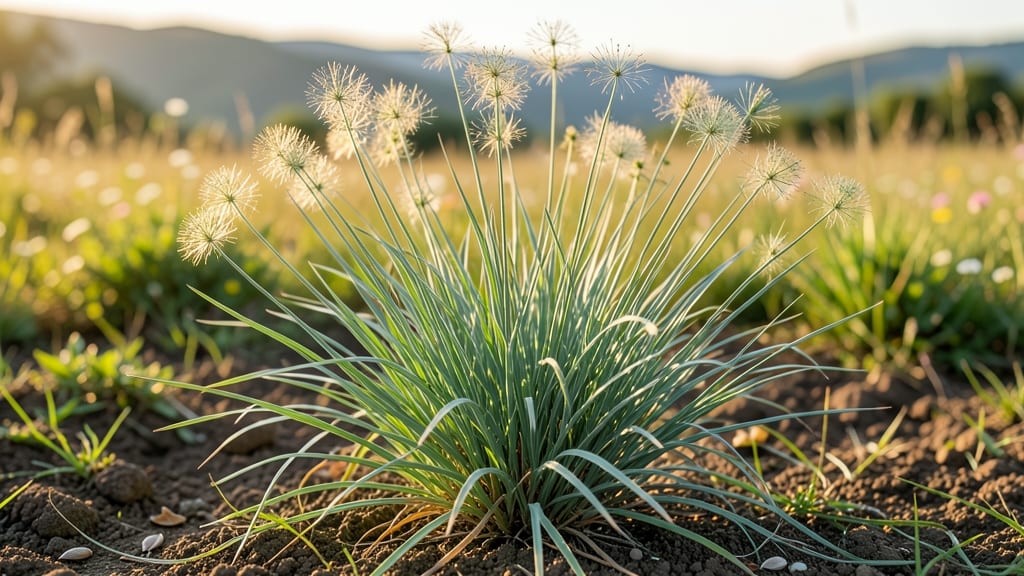
Timothy grass height by climate zone: what to expect in your region
Timothy grass (Phleum pratense) thrives as a cool-season perennial with dramatic height variations depending on your USDA hardiness zone.
In northern climates (zones 3-5), it often reaches its maximum mature height of 4-6 feet, while in warmer zones (7-10), growth may stay shorter—around 2-4 feet. Understanding these ranges helps you plan for lawn care, meadow planting, or erosion control without surprises.
This tall, clumping grass grows fastest in spring and early summer, with peak heights typically occurring by mid-to-late summer. In cooler regions, timothy grass may stay green longer into fall, while southern zones often see dormancy by early summer.
Let’s break down the height expectations by zone to help you visualize and manage your timothy grass effectively.
In zones 3-5, timothy grass grows aggressively, often outpacing other grasses like fescue or bluegrass. This makes it a top choice for hay production and wildlife-friendly meadows.
The tallest varieties, such as 'Climax' or 'Fawn,' can reach 6 feet or more with proper care, while shorter cultivars like 'Prairie' max out at 3-4 feet.
For zones 6-7, where summers are hotter, timothy grass typically slows growth by late summer and may go dormant earlier. This 3-5 foot range is ideal for lawns in partial shade or as a low-maintenance ground cover. In these zones, regular mowing prevents overgrowth and encourages denser turf.
In warmer climates (zones 8-10), timothy grass behaves almost like an annual, growing quickly in winter and spring but struggling in intense summer heat. Here, it rarely exceeds 4 feet, making it perfect for coastal erosion control or shady garden borders.
Pair it with drought-tolerant companions like clover or creeping thyme for a low-water meadow.
Your soil type also plays a role—sandy soils may stunt growth, while loamy, well-drained soils promote taller, healthier plants. If your yard has clay-heavy soil, amend it with compost or sand to encourage optimal height.
Over time, timothy grass self-seeds, so expect natural thickening in ideal conditions.
Pro tip: If you’re planting timothy grass for forage or hay, aim for 4-5 feet before harvesting. For lawns or ornamental use, keep it mowed at 3-4 inches to maintain a neat, manageable height.
Over-trimming can weaken the grass, while letting it grow too tall invites pests and diseases.
Timothy grass isn’t just about height—it’s also a powerhouse for pollinators and wildlife. Its tall, dense stalks provide shelter for birds and insects, while its seed heads offer a food source in late summer.
Whether you’re designing a pollinator garden or a low-maintenance lawn, understanding its height potential helps you create a balanced, thriving landscape.
Ready to harness timothy grass’s height advantages? Start by testing your soil pH (ideal: 6.0-7.0) and choosing the right variety for your zone. With the right care, you’ll enjoy lush, tall growth that’s both functional and beautiful.
How to control timothy grass height: mowing, fertilizing, and maintenance tips
Managing the height of timothy grass starts with understanding its natural growth cycle. Left unchecked, this cool-season grass can reach 4-6 feet tall—ideal for meadows or forage but overwhelming for lawns. The key is balancing mowing frequency, fertilization, and seasonal care to keep it at your desired height.
For most lawns, aim to mow timothy grass at 3-4 inches during peak growing season (spring to early summer). Cutting it too short weakens the roots, while letting it grow too tall invites weeds and pests. I’ve found that regular mowing every 2-3 weeks keeps it lush without sacrificing health.
🌱
📌 Top 5 Tips to Control Timothy Grass Height
- Mow high in spring: Set your mower to 3-4 inches when grass is actively growing (April-June). This encourages deeper root growth and reduces weed competition.
- Adjust mowing height by season: Lower to 2-3 inches in late summer to prepare for dormancy, but never scalp below 2 inches to avoid stress.
- Fertilize strategically: Apply a balanced 10-20-10 fertilizer in early spring and mid-summer. Avoid late-season fertilization, which promotes tender new growth before winter.
- Water deeply but infrequently: 1-1.5 inches per week (morning only) encourages strong roots. Shallow watering leads to weak stems and taller, leggy growth.
- Overseed thin areas: Mix 1-2 lbs of timothy seed per 100 sqft in early fall to fill bare spots. This prevents overgrowth from neighboring patches.
One common mistake I see is over-fertilizing in fall. Timothy grass slows down in cooler months, and excess nitrogen can lead to weak, tall growth that struggles to survive winter. Instead, focus on light feeding in spring and moderate watering in summer to maintain even height.
If your timothy grass is already too tall, don’t panic. Start by mowing it back by no more than 1/3 of its height at a time. For example, if it’s 5 feet tall, cut it to 3.5 feet first, then gradually reduce to your target height over 2-3 weeks.
This prevents shock and allows the grass to adjust.
For meadow-style plantings, embrace the natural height (4-6 feet) and use it as a wildlife habitat. Just be prepared for higher maintenance—think annual mowing in late summer to remove seed heads before they spread. In contrast, lawns benefit from shorter, frequent cuts to keep it dense and weed-free.
✂️