
How To
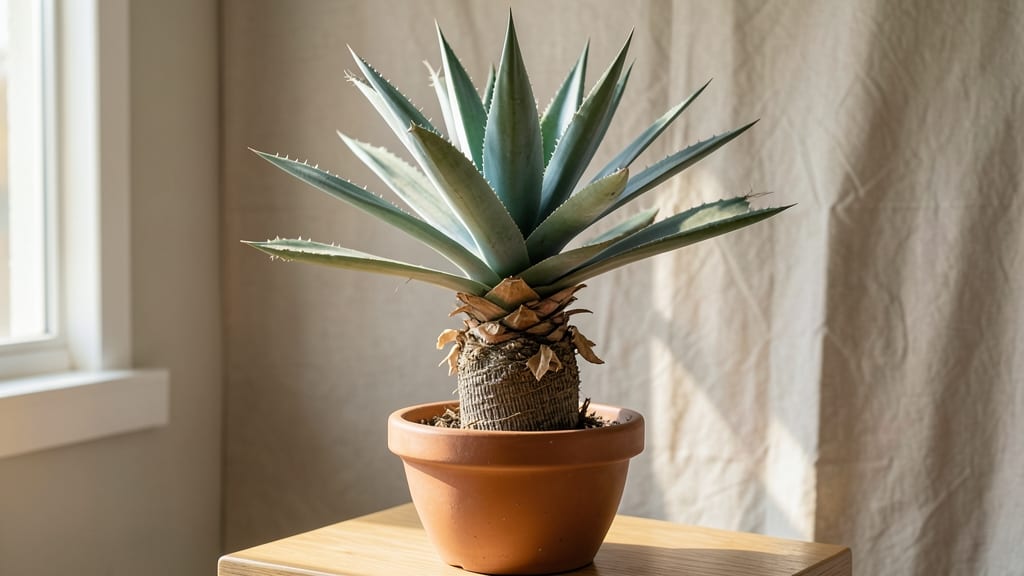
If you’re wondering how tall does yucca grow, the answer might surprise you—this striking 🌵 plant can range from a compact 3-foot shrub to a towering 20-foot giant, depending on the variety and growing conditions.
Picture this: a yucca elephantipes in your backyard, reaching higher than your garage door, or a dwarf variety adding just the right touch to a small patio. The key to getting the right size lies in understanding your climate zone and the species you choose.
Whether you’re in USDA Zone 6a or a warmer region, knowing these details will help you plan your garden layout like a pro.
But here’s the thing—yucca growth isn’t just about height. It’s also about how fast it grows, how much space it needs, and whether it’ll thrive in your soil and sunlight.
I’ll break down everything you need to know, from the fastest-growing varieties to tips for keeping your yucca 🌵 at your desired height.
Ready to transform your outdoor space? Let’s dive into the world of yucca growth—so you can pick the perfect plant for your vision, whether you want a bold statement piece or a subtle accent.


Yucca height by species: from dwarf to towering giants
Yucca plants are famous for their striking appearance and impressive height variations. Whether you're dreaming of a compact yucca for your patio or a towering giant for your desert landscape, understanding species-specific heights helps you plan your garden layout.
Some varieties stay under 4 feet, while others reach 20 feet or more—making yucca a versatile choice for any space.
Choosing the right yucca depends on your available space and climate. Dwarf varieties like Yucca rostrata are perfect for small gardens, while Yucca elephantipes can become architectural focal points in larger landscapes. Let’s explore the height ranges of popular yucca species to help you make an informed decision.
| Variety | Mature Height | Growth Rate | Notes |
|---|---|---|---|
| Yucca filamentosa | 3–6 ft | Moderate | Cold-hardy, great for borders |
| Yucca elephantipes | 10–20 ft | Slow to moderate | Tallest common variety, needs space |
| Yucca rostrata | 2–4 ft | Slow | Dwarf, ideal for containers |
| Yucca gloriosa | 4–8 ft | Moderate | Drought-tolerant, great for xeriscaping |
| Yucca whipplei | 15–25 ft | Slow | Rare, native to California |
If you're working with limited space, Yucca rostrata or Yucca filamentosa are excellent choices, both staying under 6 feet at maturity. For a bold statement, Yucca elephantipes can grow into a 20-foot tree-like structure, perfect for large gardens or desert landscapes.
Always check your local climate zone to ensure the species you choose will thrive in your area.
For container gardening, opt for dwarf varieties like Yucca rostrata or Yucca gloriosa, which can thrive in pots for years. Just ensure the container is large enough to accommodate their root systems as they grow.
A 15-gallon pot is ideal for most dwarf yuccas, while larger varieties may need 30-gallon containers or in-ground planting.
When planting yucca, consider its mature size and the surrounding plants. A 10-foot yucca planted near a 6-foot shrub can create a stunning vertical contrast, while dwarf varieties add texture without overwhelming smaller gardens. Always space yuccas at least 3–5 feet apart to allow for airflow and prevent overcrowding.
Pruning is key to managing yucca height, especially for larger varieties. Regularly trimming dead or overgrown fronds keeps the plant looking tidy and prevents it from becoming too tall too quickly. I recommend pruning in early spring before new growth begins, using sterilized pruning shears to avoid disease.
Yuccas are incredibly low-maintenance, but their height can vary based on growing conditions. In USDA zones 7–10, yuccas thrive with minimal care, while colder climates may stunt growth. If you live in a cooler zone, choose cold-hardy varieties like Yucca filamentosa or Yucca gloriosa to ensure healthy growth.
For a unique look, consider multi-trunk yuccas, which develop multiple stems over time, creating a fuller, bushier appearance. This natural growth habit can reduce the need for pruning while adding visual interest to your landscape. Just give them space—they can spread 6–10 feet wide at maturity.
Whether you're a beginner or a seasoned gardener, yuccas offer something for everyone. Their drought tolerance and low-maintenance nature make them a favorite for modern landscapes. Now that you know how tall different yuccas grow, you can confidently select the perfect variety for your garden!
Climate-Zone height variations: how location affects Yucca growth
Yucca plants thrive in diverse climates, but their mature height can vary dramatically based on USDA hardiness zones and environmental conditions.
In warmer zones (8-11), tropical yucca varieties like Yucca elephantipes often reach their maximum height of 10-20 feet, while colder zones (3-6) limit growth to hardier, shorter species like Yucca gloriosa at just 3-6 feet.
Sunlight exposure plays a critical role—yuccas in full-sun southern climates grow faster and taller, while those in northern regions with limited sunlight may stay compact.
For example, a Yucca rostrata (Spanish dagger) in Zone 5 might only reach 8-10 feet, whereas the same plant in Zone 9 could tower 15-20 feet.
Soil drainage also impacts height—yuccas in well-draining sandy soils (common in desert zones) grow taller due to minimal root stress, while clay-heavy soils (typical in humid zones) can stunt growth to 50-70% of expected height.
| USDA Zone | Climate Type | Yucca Height Range | Growth Notes |
|---|---|---|---|
| 3-5 | Cold Continental | 3-6 ft | Slow growth; hardy species only |
| 6-7 | Temperate | 6-12 ft | Moderate growth; needs winter protection |
| 8-10 | Mediterranean | 10-18 ft | Fast growth; full sun required |
| 11 | Tropical | 15-20+ ft | Rapid growth; minimal winter dormancy |
In arid southwestern zones (9-11), yuccas like Yucca schidigera (Mojave yucca) can grow 20% taller due to intense sunlight and dry heat. Meanwhile, in humid southeastern zones (7-8), yuccas may develop wider canopies but grow 10-15% shorter due to higher humidity levels.
If you're in Zone 6 or colder, opt for Yucca filamentosa (Adam's needle), which stays under 6 feet and tolerates -10°F temperatures. For Zone 8+ gardens, Yucca whipplei (Our Lord's Candle) can reach 12-15 feet with proper care.
Always check your local frost dates—yuccas planted too early in cool zones may struggle to establish roots before winter, resulting in stunted growth for the first 2-3 years.