
How To
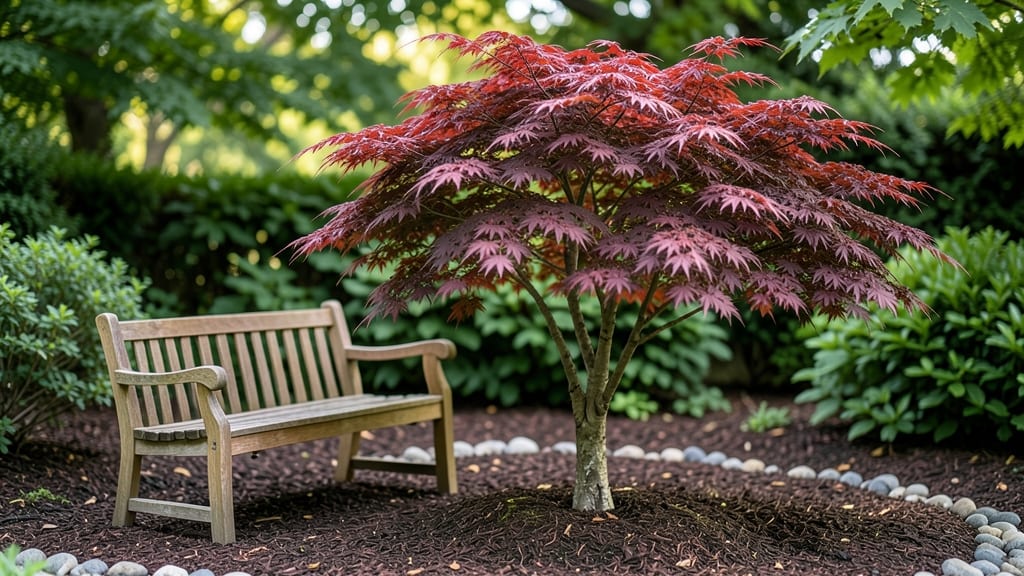
Curious about how tall Japanese Maple Tree grow? These stunning 🌿 trees can range from compact shrubs to towering giants—depending entirely on the variety you choose and how you care for them.
Imagine planting a delicate sapling that grows into a 20-foot showstopper or a dwarf cultivar that stays under 10 feet—both are possible with the right approach. Whether you're designing a small garden or a grand landscape, knowing these growth patterns helps you plan perfectly.
In this guide, I’ll break down the mature heights of popular Japanese Maple varieties, from the tiny 'Little Princess' to the majestic 'Shishigashira'. You’ll also discover how sunlight, soil, and pruning can shape their growth—so you can nurture the exact size you want.
Ready to turn your Japanese Maple into the perfect focal point? Let’s explore the secrets to controlling its height and maximizing its beauty.


Japanese Maple tree height by variety: small to giant growth expectations
Japanese maples (Acer palmatum) are famous for their stunning foliage and compact growth habits—but their mature heights can vary wildly depending on the variety. Some stay under 10 feet, while others reach 30 feet or more.
If you're planning your landscape, knowing these differences is key to choosing the right tree for your space. Let’s break down the most popular varieties and their growth expectations.
Dwarf varieties like 'Crimson Queen' or 'Little Princess' typically max out at 8–12 feet, making them perfect for small gardens or container growing. On the other end, standard varieties such as 'Shishigashira' or 'Seiryu' can tower over 25 feet, requiring ample yard space.
Even within the same category, growth rates differ—some mature in 10–15 years, while others take 20+ years.
Here’s a quick comparison to visualize the range:
| Variety | Mature Height | Growth Rate | Best For |
|---|---|---|---|
| 'Crimson Queen' | 8–12 ft | Slow (1–2 ft/year) | Containers, small gardens |
| 'Bloodgood' | 12–18 ft | Moderate (2–3 ft/year) | Medium yards, focal points |
| 'Emperor I' | 15–20 ft | Fast (3–4 ft/year) | Large landscapes, shade trees |
| 'Dissectum' | 6–10 ft (weeping) | Slow (1 ft/year) | Bonsai, small spaces |
| 'Shishigashira' | 20–30 ft | Moderate (2–3 ft/year) | Large estates, parks |
| 'Seiryu' | 25–30 ft | Fast (3–4 ft/year) | Specimen trees, mature gardens |
If you're eyeing a weeping variety like 'Dissectum' or 'Virginale', expect a more horizontal spread than vertical height. These types often grow 6–10 feet tall but can spread 10–15 feet wide, making them ideal for creating dramatic, cascading effects in landscapes.
Always check the spread-to-height ratio when selecting a variety for tight spaces.
Another factor influencing height is growing conditions. Japanese maples thrive in partial shade and acidic, well-draining soil. Poor soil or excessive sunlight can stunt growth, while ideal conditions encourage faster, healthier development.
For example, a 'Bloodgood' in full sun might max out at 15 feet instead of its potential 18 feet. Conversely, a 'Little Princess' in rich, moist soil could grow slightly taller than the average 8–12 feet.
For container growing, dwarf varieties are your best bet. Root-bound conditions naturally limit height, but pruning and regular repotting (every 2–3 years) will keep your tree manageable. Just remember: Even dwarf varieties need proper
How to control Japanese Maple tree height through pruning and care
Japanese maple trees 🌿 thrive when you guide their growth with thoughtful care. The key to controlling their height lies in pruning techniques, seasonal adjustments, and understanding how light exposure and soil conditions influence their development.
Unlike fast-growing trees, Japanese maples respond best to gentle, strategic interventions—think of it as sculpting a living work of art.
Start by pruning in late winter or early spring before new growth begins. This timing ensures you shape the tree without disturbing its dormant energy. Use clean, sharp pruners to make precise cuts just above a bud or branch collar.
Avoid heavy pruning, as these trees are sensitive to stress—even a single aggressive cut can weaken the tree for years.
For dwarf varieties like 'Little Princess', minimal pruning keeps their 8-12 foot height intact. Focus on removing only dead or crossing branches. In contrast, standard varieties like 'Bloodgood' (12-18 feet) benefit from selective pruning to maintain an open canopy and encourage airflow.
The goal is to reduce height by no more than 25% per year—anything beyond that risks stunting growth permanently.
- Step 1: Prune in late winter (Feb-March) or early spring before buds swell.
- Step 2: Remove dead/diseased branches first—cut at the branch collar.
- Step 3: Thin out crossing branches to improve airflow and reduce disease risk.
- Step 4: For height control, prune upward-growing branches just above a bud facing outward.
- Step 5: Avoid topping (cutting the main stem)—this causes ugly regrowth and weakens the tree.
- Step 6: Clean tools with rubbing alcohol between cuts to prevent bacterial spread.
Light exposure plays a crucial role in height control. While Japanese maples prefer partial shade (4-6 hours of sunlight), too much direct sun can spur rapid vertical growth, making them top-heavy and prone to storm damage.
If your tree stretches toward the sun, gradually acclimate it by moving it to a slightly shadier spot over weeks—not days. Conversely, low-light conditions slow growth, which can be ideal for dwarf varieties in shaded yards.
Soil health is another silent height regulator. Japanese maples thrive in well-draining, acidic soil (pH 5.0-6.0) rich in organic matter. Amend heavy clay with compost or pine bark to prevent root suffocation, which can stunt growth.
A mulch layer (2-3 inches) of wood chips keeps roots cool and retains moisture—critical for young trees still establishing their root systems.
Watering habits also shape height. Deep, infrequent watering (1-2 gallons per tree, every 7-10 days) encourages deep root growth, while shallow, frequent watering leads to weak, shallow roots and leggy growth.
Always water in the morning to allow foliage to dry before evening, reducing fungal risks that can stress the tree.
With these care strategies, you’ll steer your Japanese maple toward its ideal height—whether you’re nurturing a compact 'Crimson Queen' or guiding a tall 'Seiryu' to its full potential. The secret? Patience and precision—these trees reward careful hands with decades of stunning foliage.