
How To
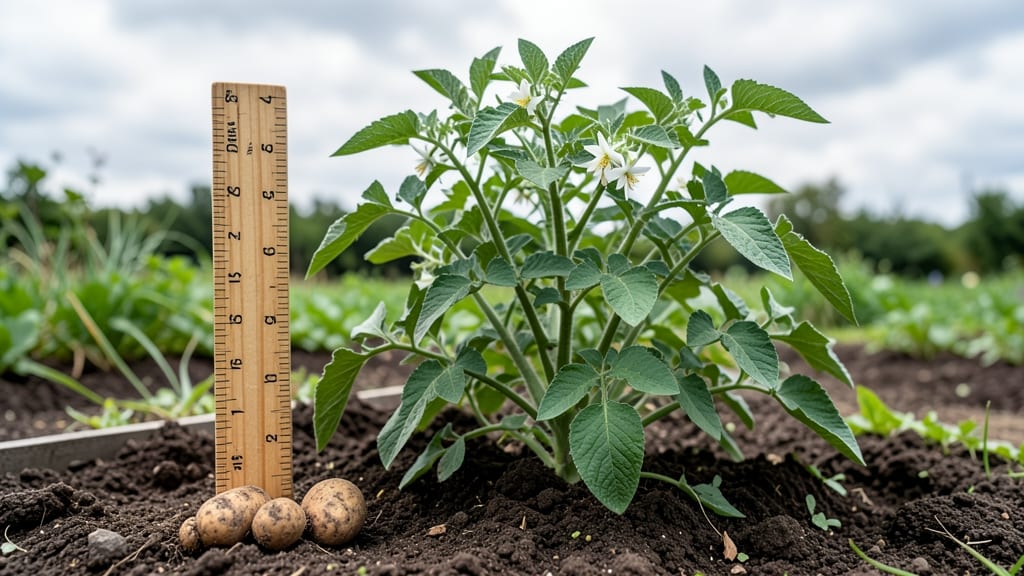
Ever stared at your 🥔 plants and wondered, "How tall should potato plants grow before I panic?" The answer isn’t one-size-fits-all—because what’s "normal" for a Yukon Gold could look like overgrowth for a Russet Burbank, and getting it right means the difference between a bountiful harvest and wasted effort.
Most gardeners assume taller plants mean bigger tubers, but here’s the twist: height isn’t the goal—healthy foliage is. Dwarf varieties like Red Pontiac might top out at just 12 inches, while standard types like Russets can stretch to 3 feet.
The key? Monitoring growth stages to ensure your plants are putting energy where it counts—underground.
In this guide, I’ll break down the ideal height ranges by variety, when to adjust care (like hilling or pruning), and why some plants shouldn’t grow taller—even if they look lush. Spoiler: Too much height can actually reduce your harvest. Let’s dig in.
You’ll learn how to spot overgrowth red flags, when to harvest based on plant size, and how to tweak your garden routine for maximum tuber production. No more guessing—just science-backed tips to grow potatoes that thrive at the right height, every time.


Potato plant height by variety: what’s normal and when to worry
Potato plants don’t follow a one-size-fits-all height rule—genetics, growing conditions, and variety all play a role. Most potato varieties reach 12–36 inches at maturity, but dwarf types like 'Yukon Gold' stay compact, while standard varieties like 'Russet Burbank' can tower to 3 feet.
Understanding these differences helps you set realistic expectations and spot problems early.
Your potato plant height directly impacts tuber production. Taller plants often produce more foliage, but this doesn’t always mean bigger harvests—sometimes it’s a sign of over-fertilization or poor soil conditions.
The key is balancing foliage growth with tuber development, which varies by type. Let’s break down what’s normal for popular varieties and when to intervene.
Genetics determine 80% of your potato plant’s height. Dwarf varieties like 'Red Norland' max out at 12–18 inches, while vine types like 'Kennebec' can stretch to 3 feet. Even within the same variety, growing conditions (sunlight, soil nutrients, water) can push plants taller or shorter. For example, a 'Yukon Gold' might hit 18 inches in ideal conditions but only 12 inches in shade.
| Variety | Type | Mature Height | Notes |
|---|---|---|---|
| Yukon Gold | Dwarf | 12–18 inches | Buttery flesh; great for containers |
| Red Pontiac | Semi-Dwarf | 18–24 inches | Early maturing; disease-resistant |
| Russet Burbank | Standard | 24–36 inches | Long vines; needs staking |
| Fingerling Mix | Vine | 18–30 inches | Long, slender tubers; sprawling growth |
| Sweet Potato (for comparison) | Vine | 3–5 feet | Not a true potato; much taller |
*Height measured from soil to tallest foliage at maturity
If your potato plants exceed these ranges, it’s often a sign of excess nitrogen or poor drainage. For example, a 'Russet Burbank' over 3 feet may need less fertilizer and more potassium-rich compost to redirect energy to tubers.
Conversely, stunted growth (under 12 inches) could indicate compacted soil or pest damage like Colorado potato beetles.
Monitoring foliage-to-tuber ratio is crucial. Ideal plants show 3–4 inches of stem above soil before flowering, with tubers forming below. If stems grow too long before flowering, they may deplete soil nutrients before tubers mature. This is common in low-light conditions or when planted too late in spring.
For container gardening, choose dwarf varieties like 'Adirondack Blue' (12–18 inches) to avoid overcrowding. Tall varieties in pots need deep containers (12+ inches) and regular hilling to prevent tuber exposure. Even standard types can work in large pots if you prune aggressively and use balanced fertilizer.
Watch for unusual growth patterns, like sudden height spikes or leaf yellowing. These could signal blight or aphid infestations, which thrive on stressed plants. A healthy plant grows steadily—1–2 inches per week—without sudden bursts.
If yours shoots up 6 inches in a week, check for overwatering or excessive nitrogen.
Pro tip: Use hilling soil (piling soil around stems) to encourage shorter, bushier growth. This method works for all varieties and helps prevent scab disease by keeping tubers covered. Hill when plants reach 6–8 inches tall, adding 2–3 inches of soil each time until flowering begins.
Remember, height alone doesn’t determine harvest size. A 3-foot 'Russet' might yield fewer tubers than a 12-inch 'Yukon Gold' if the soil lacks phosphorus. Focus on balanced growth: strong stems, healthy leaves, and firm tubers when dug. Your goal isn’t just tall plants—it’s productive plants.
Signs your potato plants are growing too tall (and how to fix it)
If your potato plants are reaching heights beyond 3 feet, it’s time to investigate. Excessive growth often signals nutrient imbalances, overwatering, or pest stress. Taller-than-average plants may produce fewer tubers because their energy focuses on foliage instead of underground growth.
First, check your soil fertility. Too much nitrogen creates lush green leaves but stunts tuber development. Test your soil—ideal levels are 100-150 ppm nitrogen. If high, reduce fertilizer applications and switch to a balanced 5-10-10 mix instead.
Next, examine your watering habits. Overwatering weakens stems, making plants top-heavy and prone to lodging (falling over). Water deeply once every 3-5 days and ensure soil drains well. A simple test: Stick your finger 2 inches deep—if damp, wait before watering again.
Pests like colorado potato beetles or aphids can also trigger excessive growth. Inspect leaves for holes, chewed edges, or sticky residue. Remove affected foliage immediately and apply neem oil or insecticidal soap as a preventive measure.
⚠️ Warning: Lodging Risk
Plants over 2.5 feet tall are at high risk of lodging, which can ruin your harvest. Hill soil every 2-3 weeks to support stems. Pile loose soil or straw around the base, leaving just the top leaves exposed.
For extreme cases, prune back 1/3 of the foliage at the base. This redirects energy to tuber growth and reduces disease spread.
Finally, consider your potato variety. Some, like 'Red Pontiac', naturally grow taller (up to 2 feet). If you planted a dwarf variety (e.g., 'Yukon Gold') and it’s exceeding 1 foot, revisit your care routine—it’s likely overstimulated.
Monitor your plants weekly. If you catch excessive growth early, you’ll maximize tuber yield and avoid wasted effort. A healthy potato plant balances foliage height and underground production—aim for a sturdy, compact shape rather than skyward growth.