
How To
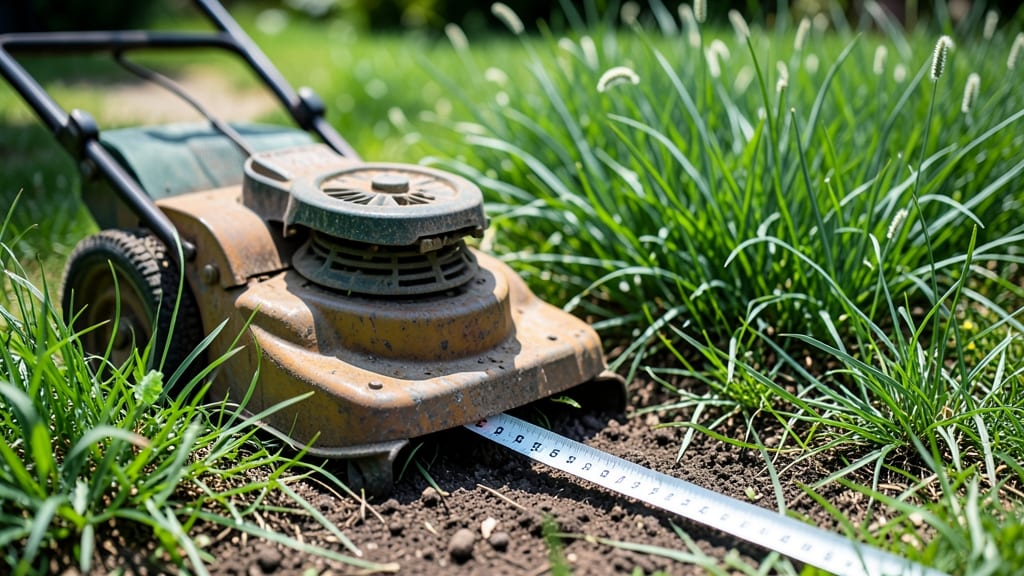
There’s a sweet spot for your new grass—how tall should you let it grow before cutting—cutting too soon stunts growth, but waiting too long smothers it. The 3-4 inch rule isn’t just a number; it’s the difference between a lush lawn and patchy disappointment.
New grass needs time to establish strong roots before facing the stress of a mower. Skipping this step can leave your lawn weak, yellowing, or struggling to recover. Whether you’re seeding in spring or overseeding in fall, timing is everything.
I’ll show you how to recognize when your 🌱 grass (lawn) is ready for its first cut—plus how to adjust for your climate and grass type. Let’s make sure your lawn starts off on the right foot.
From mower height settings to weather watch, you’ll learn the exact cues to look for. No more guessing—just healthier grass from day one.


The science behind the 3-4 inch rule: why height matters for new grass
New grass blades need time to develop strong roots before facing the stress of a mower. The 3-4 inch rule isn’t arbitrary—it’s rooted in photosynthesis efficiency and root depth development. When grass reaches this height, its leaf surface area maximizes sunlight absorption, fueling growth below ground.
Cutting too soon removes too much leaf tissue, starving the roots of energy and leaving your lawn vulnerable to drought and weeds.
Research from the USDA and turfgrass experts confirms that cool-season grasses (like Kentucky Bluegrass) and warm-season grasses (like Bermuda) both benefit from this height before their first trim. The difference?
Cool-season types establish faster in spring or fall, while warm-season grasses thrive when soil temps hit 65°F+ in late spring or summer. Ignoring these timelines can lead to patchy regrowth or even dead spots.
Here’s why the 3-4 inch threshold works: at this height, grass has typically developed roots 2-3 inches deep, anchoring it against wind and foot traffic. Shorter blades lack the energy reserves to bounce back from mowing stress.
Think of it like a toddler—you wouldn’t cut their hair until they’ve grown strong enough to handle it!
| Grass Type | Optimal First-Mow Height | Root Depth at Maturity | Climate Zones Suited | Key Risk if Cut Too Soon |
|---|---|---|---|---|
| Kentucky Bluegrass | 3-4 inches | 4-6 inches deep | Zones 3-8 (cool seasons) | Stunted rhizomes, weak recovery |
| Bermuda Grass | 3-4 inches | 3-5 inches deep | Zones 7-10 (warm seasons) | Thatch buildup, drought stress |
| Fescue (Tall) | 3-4 inches | 3-4 inches deep | Zones 4-9 (transition zones) | Slow regrowth, increased weeds |
| Zoysia Grass | 3-4 inches | 2-3 inches deep | Zones 6-10 (warm seasons) | Brown patches, shallow roots |
The 3-4 inch rule also accounts for grass type maturity timelines. For example, Kentucky Bluegrass may reach mowing height in 3-4 weeks after seeding, while Bermuda Grass could take 5-6 weeks in hot climates.
Always adjust based on your grass’s growth rate, not a calendar. Pro tip: Use a ruler or measuring tape to check height—eyeballing can lead to mistakes!
Another critical factor is mower blade height. Set your mower to its highest setting for that first cut—never lower than 2 inches—to avoid scalping. Scalping removes too much leaf tissue, shocking the grass and inviting weeds.
If your mower lacks adjustable heights, consider a reel mower for precision cutting. Remember: the goal is to remove no more than 1/3 of the blade height at each mow.
Climate plays a surprising role too. In humid southern regions, grass grows faster, so you might mow sooner. In dry western climates, wait longer to ensure roots establish before stressing the plant.
Always check the soil moisture—if it’s dry, delay mowing until after a deep watering. Think of it like waiting for a cake to bake fully before slicing—rushing leads to crumbs!
Finally, the 3-4 inch rule isn’t just about height—it’s about grass density. When blades are this tall, they’ve typically filled in enough to outcompete weeds and form a thick turf.
This density also helps regulate soil temperature and moisture, creating a self-sustaining ecosystem. Skipping this step is like building a house without a foundation—short-term convenience leads to long-term problems.
For overseeded lawns, the rule applies too, but with extra caution. New grass sprouting through existing turf needs more time to establish.
Use a slit-seeder to ensure good seed-to-soil contact, and avoid mowing until the new grass reaches 3-4 inches and the old grass is at least 3 inches tall. This dual-layer approach prevents scalping both layers.
Next up, we’ll dive into how to tell when your grass is truly ready for that first cut—because timing isn’t just about inches, it’s about color, density, and resilience. Let’s get your lawn off to the strongest start possible! 🌱
The science behind the 3-4 inch rule: why height matters for new grass
New grass needs time to develop a strong root system before facing the stress of a mower blade. The 3-4 inch rule isn’t arbitrary—it’s rooted in photosynthesis efficiency and root depth development.
When blades reach this height, they’ve absorbed enough sunlight to fuel growth while their roots extend deep enough to anchor the plant and access moisture. Cutting too soon disrupts this balance, leaving your lawn vulnerable to disease, patchiness, and slow recovery.
For cool-season grasses like Kentucky Bluegrass or Fescue, the ideal first-mow height aligns with their natural growth patterns in spring or fall. These grasses establish roots quickly but benefit from slightly taller blades to maximize energy storage.
Meanwhile, warm-season grasses like Bermuda or Zoysia thrive when mowed at the upper end of the range (closer to 4 inches) during their peak growing season in summer.
Here’s why the height matters so much:
| Grass Type | Optimal First-Mow Height | Root Depth at Maturity | Climate Zones Suited | Key Risk if Cut Too Soon |
|---|---|---|---|---|
| Kentucky Bluegrass | 3-3.5 inches | 4-6 inches deep | Cool (Zones 3-8) | Stunted root growth |
| Tall Fescue | 3-4 inches | 3-5 inches deep | Temperate (Zones 4-9) | Weak blade recovery |
| Bermuda | 3.5-4 inches | 2-4 inches deep | Warm (Zones 7-10) | Thatch buildup |
| Zoysia | 3-4 inches | 1-3 inches deep | Hot (Zones 6-10) | Slow regrowth |
Grasses like Bermuda or Zoysia in southern climates can handle slightly taller first cuts due to their drought tolerance and aggressive growth habits. Meanwhile, cool-season grasses in northern regions benefit from earlier mowing (closer to 3 inches) once they’ve established roots, as their growing season is shorter.
Always adjust based on your local USDA zone and soil conditions—sandy soils may require slightly taller blades to prevent stress.
One common mistake is assuming all grass types follow the same timeline. For example, overseeded lawns (where cool-season grass is added to a warm-season base) may need to wait until the new grass reaches 4 inches before mowing to avoid scalping the established turf underneath.
Use a string line to check height consistently—never guess!
Pro tip: If your new grass hits 3-4 inches but the weather forecast calls for heatwaves or drought, delay mowing another week. Stress from cutting combined with extreme conditions can shock young roots and set your lawn back for weeks.
Prioritize root health over cosmetic uniformity in those early stages.