
How To
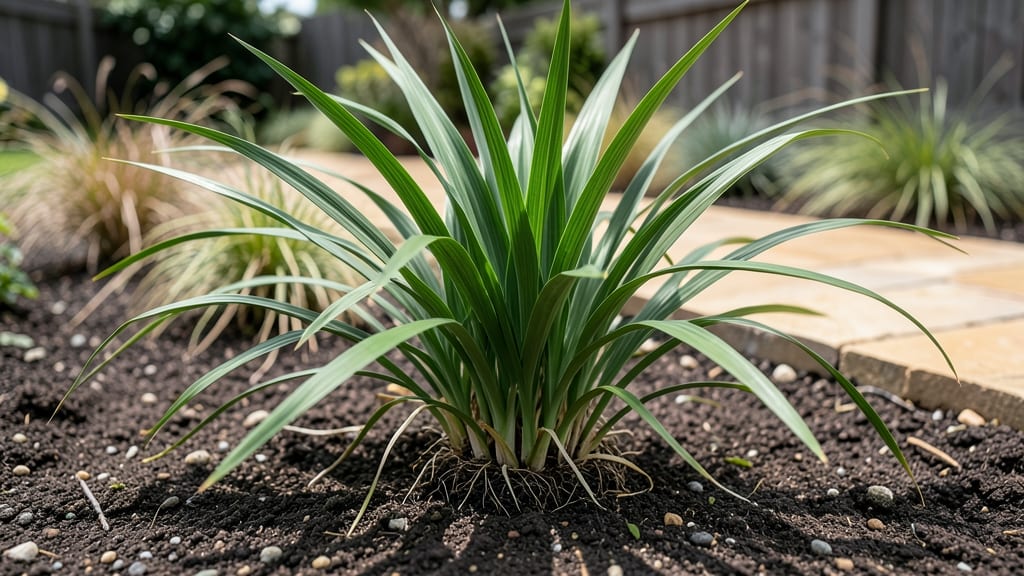
If you're wondering how tall will lemongrass grow in your garden, the answer might surprise you—this tropical 🌿 herb can reach heights of 3 to 6 feet under the right conditions.
Whether you're growing it in pots or directly in the soil, its height depends on factors like sunlight, soil quality, and even your local climate.
For most home gardeners in USDA Zone 6a and warmer, lemongrass thrives when planted in spring (April-May), giving you a harvest window of 60-90 days.
But here’s the catch: if you’re in a cooler region, your stalks might stay shorter unless you take extra steps to protect them from frost or provide optimal growing conditions.
Want to maximize your lemongrass height? The key lies in giving it plenty of sunlight, well-draining soil, and consistent watering. With the right care, you could end up with stalks tall enough to rival your average adult—and that means more fresh lemongrass for your favorite dishes!
In this guide, I’ll break down exactly what to expect based on your location, plus pro tips to help your lemongrass reach its full potential. Let’s get growing!


Lemongrass height by climate zone: what to expect in different regions
Lemongrass (Cymbopogon citratus) thrives in warm climates, but its mature height varies dramatically depending on your USDA hardiness zone. In tropical zones like Florida or Hawaii, expect 5-6 foot stalks—taller than most home gardeners!
Meanwhile, in cooler zones like Southern California (Zone 9-10), you’ll see 3-5 foot plants with careful winter protection. The key difference? Temperature and frost exposure.
Your local climate isn’t just about average temps—it’s about minimum winter temperatures. Lemongrass dies back in Zone 8 or colder without protection, while Zone 11 gardeners can grow it year-round with minimal effort.
Even a single frost can stunt growth or kill the plant entirely, so zone matters more than you might think.
Here’s how your lemongrass height breaks down by region, including tropical vs. temperate variations:
| USDA Zone | Climate Type | Mature Height (ft) | Growth Notes |
|---|---|---|---|
| 8-9 | Temperate (coastal) | 3-4 ft | Needs winter mulch; grows slower in cooler months. |
| 10 | Subtropical (e.g., Southern California) | 4-5 ft | Thrives with minimal winter care; harvests year-round. |
| 11 | Tropical (e.g., Florida, Hawaii) | 5-6 ft | Fastest growth; can reach harvestable height in 60-75 days. |
| Container (Any Zone) | Potted Growth | 3-4 ft | Height limited by pot size; ideal for balconies in cooler zones. |
Notice how Zone 11 lemongrass can reach 6 feet—that’s because it grows 3x faster in ideal tropical conditions. The difference comes down to photosynthesis efficiency: warmer nights mean more energy for growth.
Even in Zone 10, you’ll see 1-2 feet taller plants compared to Zone 8 if you extend the growing season with row covers.
If you’re in a cooler zone, don’t despair! With winter protection (like moving pots indoors or using frost cloth), you can still grow lemongrass to 4 feet. The trick is to harvest before frost—lemongrass won’t survive freezing temps, but you can regrow from cuttings in spring.
Think of it as a seasonal herb rather than a perennial in colder areas.
Another factor? Day length. Lemongrass grows best with 12+ hours of daylight, which is why tropical zones (longer days) produce taller stalks. In northern climates, supplement with a grow light for 2-3 extra hours in winter to boost height.
It’s a small tweak that can add 6-12 inches to your harvest!
Pro tip: Measure your stalks every 4 weeks. If they’re growing less than 2 inches per month, your plant might be nutrient-deficient or underwatered. Adjust your care routine—we’ll cover that in the next section! For now, know your zone’s potential height range to set realistic goals.
Want to push your lemongrass to its maximum height? The secret lies in soil fertility, watering consistency, and pruning techniques. We’ll dive into those growth-boosting tips next—so grab your measuring tape and let’s get growing! 🌿
How to optimize lemongrass growth for maximum height in your area
If you're dreaming of towering lemongrass stalks reaching their full 4-6 foot potential, you’ll need to focus on three key factors: sunlight, soil, and water. I’ve grown lemongrass in USDA zones 9-11, and these tweaks made the difference between scraggly plants and lush, harvest-ready stalks.
Let’s dive into the specifics so you can coax your lemongrass to grow as tall as possible.
First, sunlight exposure is non-negotiable. Lemongrass thrives in full sun (6+ hours daily), but in hotter climates like zone 10-11, afternoon shade can prevent scorching.
If you’re in a cooler zone (like zone 8), extend the growing season with a cloche or row cover to protect young plants from early frosts. Even a few extra weeks of warmth can push your stalks another 1-2 feet taller by maturity.
Key Growth Optimizers for Tall Lemongrass
- ✅ Sunlight: 6+ hours daily; use shade cloth in zones 10-11 to prevent heat stress.
- ✅ Soil: Well-draining, slightly acidic (pH 6.0-7.0); amend with compost for nutrients.
- ✅ Water: Deep watering 2-3x weekly; avoid soggy soil to prevent root rot.
- ✅ Fertilizer: Balanced 10-10-10 every 4-6 weeks during growing season (spring-summer).
- ✅ Pruning: Harvest outer stalks at 12-18 inches to encourage new growth and bushier plants.
Your soil conditions play a huge role too. Lemongrass hates soggy roots, so if your soil drains poorly, mix in sand or perlite to improve aeration. A slightly acidic pH (6.0-7.0) is ideal—test your soil and amend with sulfur or lime if needed.
I once had lemongrass in clay-heavy soil that barely reached 2 feet; after adding compost and raising beds, the same plants hit 5 feet by summer.
Watering deeply but infrequently is another game-changer. Instead of light daily watering, soak the soil 2-3 times per week to encourage deep root growth. In containers, water every 3-5 days since pots dry out faster.
Mulch around the base with straw or wood chips to retain moisture and keep roots cool—this simple trick can add 6-12 inches to your final height.
Don’t forget about fertilizing strategically. During the growing season (spring-summer), feed your lemongrass with a balanced 10-10-10 fertilizer every 4-6 weeks. I use 1 tablespoon per plant in early morning to avoid burning roots.
In cooler zones (8-9), reduce feeding in fall to let plants harden off before winter. Over-fertilizing can lead to leafy growth at the expense of stalk height, so moderation is key.
Finally, pruning techniques can boost both height and harvestability. When stalks reach 12-18 inches, harvest the outer ones by cutting 1 inch above the base. This encourages new shoots from the center, creating a bushier plant that grows taller over time.
In my zone 10 garden, pruned plants consistently reached 6 feet, while unpruned ones maxed out at 4 feet.
With these adjustments, your lemongrass can hit its full height potential—whether you’re in a tropical paradise or a temperate climate. The secret? Pay attention to the details, and your stalks will reward you with bold growth and abundant harvests. 🌱