
How To
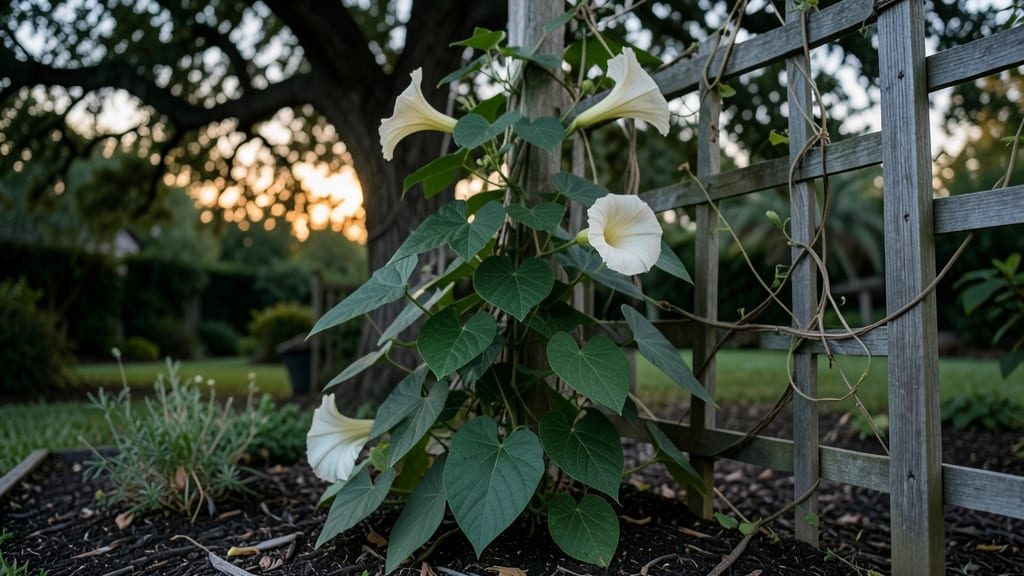
Wondering how tall will moonflower grow in your garden?
These enchanting vines can climb up to 15 feet—but with the right care, you can easily manage their height for your space. 🌙 Whether you're working with a small balcony or a sprawling backyard, understanding their growth habits is key to creating a stunning nighttime display.
The magic of moonflowers lies in their rapid growth, especially when given proper support like a sturdy trellis. Without guidance, they’ll sprawl across the ground, but with a little training, they’ll reach for the sky—literally.
If you’re planting in USDA Zone 6a, timing is everything, as their ideal window is April to May after the last frost.
Don’t let their towering potential scare you off—there are simple ways to control their height, from pruning techniques to choosing dwarf varieties. You’ll learn how to keep them lush and blooming without sacrificing your garden’s layout.
Let’s break down what you need to know to enjoy these dreamy night-bloomers at their best.
From trellis materials to pruning tips, I’ll share everything you need to encourage healthy growth while keeping your moonflowers in check. Whether you’re a beginner or a seasoned gardener, these insights will help you create the perfect night garden—without the vine overload.


Moonflower vine height guide: expected growth & space requirements
Moonflowers (Ipomoea alba) are fast-growing vines that can climb 6 to 15 feet tall in a single season, depending on growing conditions and support. Without proper training, they’ll sprawl aggressively, while a sturdy trellis can encourage vertical growth up to 15 feet—taller than most gardeners expect!
Their twining habit means they’ll latch onto any nearby structure, making them perfect for fences, arbors, or even chain-link gates.
In their first year, moonflowers typically reach 6 to 10 feet, while mature vines in ideal conditions can stretch 12 to 15 feet by late summer. The key to controlling their height lies in pruning, trellising, and soil fertility.
Rich, well-draining soil packed with compost will fuel rapid growth, while consistent moisture (but not soggy conditions) ensures those vines keep climbing. If left unchecked, they’ll dominate your garden space—so plan ahead!
🌱 Did You Know?
Here’s a breakdown of what to expect at each growth stage, from seedling to mature vine. Pay special attention to the height milestones—these will help you adjust your trellis or pruning schedule to keep your moonflowers in check.
If you’re growing moonflowers in containers or small spaces, opt for dwarf varieties like Ipomoea alba ‘Moonlight Compact,’ which max out at 6 to 8 feet. These are perfect for balconies or patios where vertical space is limited.
Even standard varieties can be trained to stay shorter by pruning the tips of the vines regularly—this encourages bushier growth instead of one long, unruly stem.
One common mistake gardeners make is underestimating the vine’s reach. A moonflower left to its own devices can sprawl 10+ feet horizontally in a single season, smothering nearby plants. To prevent this, install a trellis at planting time and gently weave the vines onto it as they grow.
For maximum height, choose a tall, sturdy trellis (like a 12-foot metal arbor) and place it in full sun—this combo will push your moonflower to its 15-foot potential.
For year-round interest, consider planting moonflowers near evening-blooming plants like evening primrose or night-blooming jasmine. Their combined fragrance creates a magical nighttime garden that’s both functional and enchanting.
Just remember: the taller the vine, the more support and maintenance it’ll need. Plan your trellis height wisely—8 to 10 feet is ideal for most backyard gardens!
💡 Pro Tip: Measure your trellis height against your garden’s vertical space before planting. If your fence is only 6 feet tall, your moonflower will either topple over or require extra-pruning to stay contained. Aim for a trellis that’s at least 2 feet taller than your desired vine height.
Moonflower vine height guide: expected growth & space requirements
Moonflowers (Ipomoea alba) are fast-growing vines that can climb 6 to 15 feet tall under ideal conditions. Their mature height depends on growing conditions, trellis support, and variety. Without proper guidance, they’ll sprawl aggressively, so understanding their growth pattern helps you plan your garden layout effectively.
In their first growing season, expect vines to reach 6 to 10 feet if given full sun and consistent moisture. By the second year, they’ll mature to their full height of 10 to 15 feet, especially if trained on a sturdy trellis.
The key to controlling their growth lies in pruning and trellising—both of which I’ll cover in detail later.
🌱 Moonflower Growth Summary
| Stage | Height Range | Timeframe |
|---|---|---|
| Seedling | 0–2 ft | 0–4 weeks |
| First Year | 6–10 ft | 60–90 days |
| Mature Vine | 10–15 ft | 2+ years |
One common misconception is that moonflowers will always reach their maximum height. In reality, their growth rate slows after the first year unless you fertilize or prune to encourage new shoots.
For container gardening, dwarf varieties like Ipomoea alba ‘Moonlight’ stay between 6 to 10 feet, making them ideal for patios or balconies.
To encourage vertical growth, provide a strong trellis (at least 10 feet tall) and train the vines early. Without support, they’ll sprawl horizontally, taking over garden beds. I’ve found that metal trellises last longer than wood, especially in humid climates where rot is a risk.
If you’re working with limited space, consider pruning aggressively in early summer to redirect energy upward. This won’t stunt the plant but will keep it more compact. For example, cutting back one-third of the vine in June can encourage a second flush of blooms while controlling height.
Moonflowers thrive in USDA zones 6–11, but their height varies slightly by climate. In warmer zones (9–11), they grow faster and taller due to longer growing seasons. Meanwhile, in cooler zones (6–8), expect slightly slower growth unless you extend the season with row covers or greenhouses.
Remember, the sweet spot for moonflower height is 10 to 12 feet—tall enough to create a dramatic nighttime display but manageable with basic trellising. With the right approach, you can enjoy their ethereal blooms without sacrificing garden space. 🌙