
Companion Plants
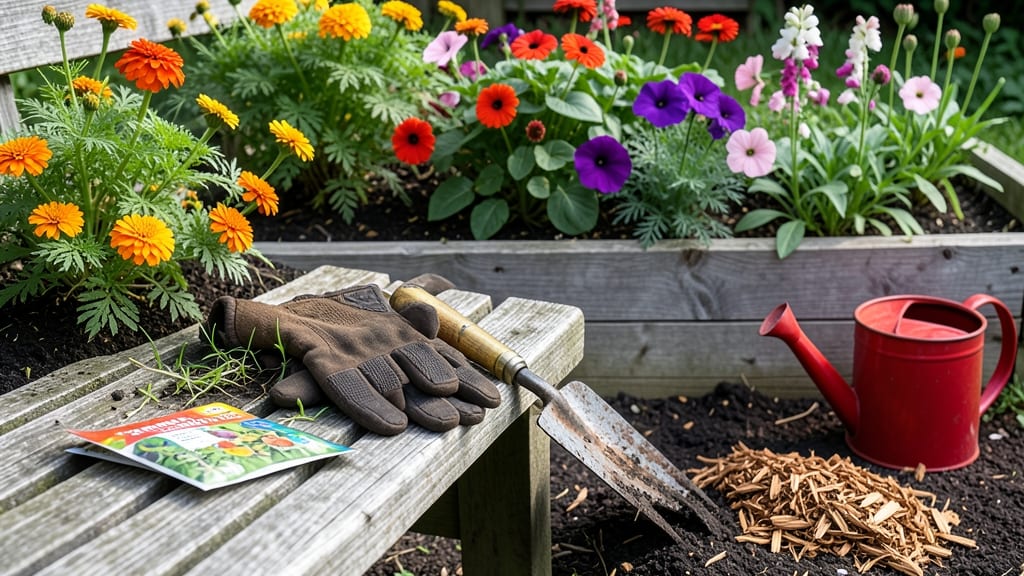
When can I plant annuals in Zone 5? Timing your annuals just right can mean the difference between a thriving garden and a frost-kissed disappointment. The right moment to plant isn't just about the calendar—it's about understanding your local frost dates, soil temperatures, and even microclimates within your area.
I’ve spent years watching my plants struggle when I planted too early, only to learn the hard way that patience pays off.
Whether you're eager to sow cool-season favorites like lettuce or waiting for the heat to plant sun-loving marigolds, knowing when to start is the key to a successful harvest.
In this guide, I’ll break down exactly when to plant annuals in Zone 5, from the first signs of spring warmth to the last safe window before summer heat sets in.
You’ll discover how to adjust for regional variations, protect tender plants from unexpected frosts, and even extend your growing season with simple tricks.
Let’s dive into the frost-free timeline that will help you plant with confidence—and watch your garden flourish all season long.
Zone 5 last frost dates: when to plant annuals by seasonal timeline
Understanding Zone 5 last frost dates is the first step to successful annual planting. In this region, the average last frost date typically falls between mid-April and early June, depending on your exact location.
For example, Chicago usually sees its last frost around April 20, while Denver averages May 10. These dates mark the safe window to plant warm-season annuals like tomatoes and marigolds.
However, cool-season annuals like lettuce and peas can often handle light frosts, so they may go in the ground 2-4 weeks before your last frost date. The key is monitoring your local forecast and using soil thermometers to confirm when temperatures consistently stay above 40°F (4°C) at night.
This ensures your plants won’t suffer from cold damage.
Here’s where it gets tricky: microclimates within Zone 5 can shift planting times by weeks. South-facing slopes warm up faster, while low-lying areas may stay colder longer. If you’re unsure, err on the side of caution—waiting an extra week to plant is better than losing your entire crop to frost.
🌱
| Planting Window | Average Last Frost Date | Soil Temperature Requirement | Example Annuals |
|---|---|---|---|
| Early Spring (2-4 weeks before last frost) | Mid-March to early April | 40-50°F (4-10°C) | Peas, lettuce, spinach, pansies |
| Late Spring (after last frost) | Mid-April to early June | 50-60°F (10-15°C) | Marigolds, basil, zinnias, tomatoes |
| Summer (for heat-loving plants) | June to early July | 60°F+ (15°C+) | Okra, sweet potatoes, sunflowers |
| Fall (for cool-season crops) | Late July to early September | 50-60°F (10-15°C) | Kale, radishes, snapdragons |
*Adjust for your local microclimate—low areas frost later, slopes warm sooner!
For warm-season annuals, wait until the soil is at least 60°F (15°C)—this prevents stunted growth. Use a soil thermometer to check, especially if your spring is unpredictable. If you’re tempted to plant early, consider starting seeds indoors or using row covers to protect tender seedlings from late frosts.
Zone 5’s first frost date usually arrives between October 15 and November 15, signaling the end of the outdoor growing season for most annuals. However, cold-hardy annuals like calendula and stock can often survive light frosts and may even bloom brighter in cooler weather. Plan your fall plantings accordingly!
Pro tip: Bookmark your local Cooperative Extension Service website or use apps like Old Farmer’s Almanac for real-time frost date updates. These tools adjust for your exact ZIP code, giving you the most accurate planting timeline. Don’t rely on "average" dates—your garden’s success depends on localized data!
If you’re new to Zone 5 gardening, start with frost-tolerant annuals like pansies or snapdragons—they’re forgiving and give you confidence as you learn your garden’s unique rhythms. Over time, you’ll notice patterns in your yard’s frost behavior, allowing you to fine-tune your planting schedule like a pro.
🌡️
Remember: False springs are a Zone 5 gardener’s nemesis. Even if temperatures warm up in March, a late frost can still hit. To protect your early plantings, use frost cloths or cold frames until you’re past the average last frost date.
It’s better to delay planting than to lose your entire crop to a surprise freeze.
For a foolproof approach, stagger your plantings: Sow a few seeds early under protection, then plant the rest after the official last frost date. This succession planting strategy ensures continuous blooms or harvests all season long.
Plus, it’s a great way to experiment with different varieties without risking everything on one planting date.
Best annuals to plant early vs. late in Zone 5: frost-tolerant vs. heat-loving varieties
Zone 5 gardeners have a short but critical window to plant annuals successfully. The key is matching plant hardiness with frost-free dates. Early spring brings cold-tolerant annuals like pansies and peas, while late spring welcomes heat-loving varieties such as tomatoes and marigolds.
Let’s break down the best options for each planting window.
For early planting (March–April), focus on cool-season annuals that thrive in 40–60°F soil. These include lettuce, spinach, and snap peas, which can often handle light frosts once established. Plant these 2–4 weeks before your average last frost date—typically mid-April to early May in most of Zone 5.
Late planting (May–June) is for warm-season annuals like basil, zinnias, and sunflowers. These need soil temperatures above 60°F and won’t tolerate frost. Aim to plant them 2 weeks after your last frost date, usually late May to early June, once nighttime temps stay above 50°F consistently.
Pro tip: Start seeds indoors 4–6 weeks before your last frost date for warm-season annuals like tomatoes or peppers. This gives them a head start and extends your growing season. Use grow lights or a sunny windowsill to keep seedlings healthy until transplanting.
If you’re unsure about your last frost date, check local weather records or use a frost calculator. Many Zone 5 areas—like Chicago, Minneapolis, or Denver—have last frost dates between April 15 and May 15.
Adjust planting times based on your microclimate, such as south-facing slopes warming up faster than shaded areas.
Remember, succession planting is your friend! For cool-season crops, sow seeds every 2–3 weeks until early summer to enjoy continuous harvests. For warm-season crops, make a second planting in mid-summer for a fall harvest before frost sets in.