
Companion Plants
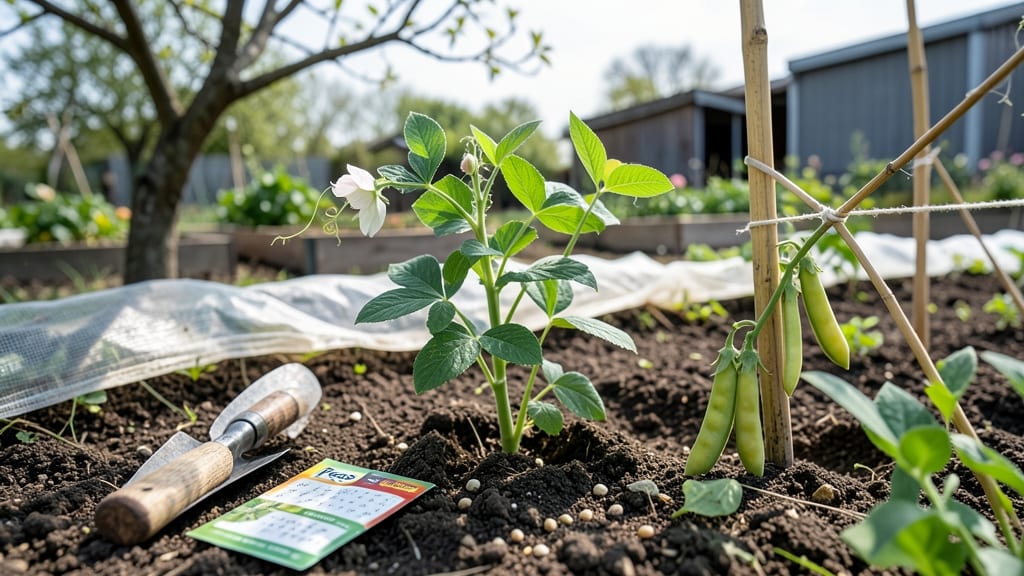
If you're eager to grow fresh, sweet peas in Zone 6, timing your planting is the key to success. The right window means faster germination and a bountiful harvest, while getting it wrong could leave you waiting too long for those crisp pods.
Unlike heat-loving crops, peas actually thrive in cooler weather, making early spring their perfect time to shine.
For Zone 6 gardeners, the ideal planting window opens 4-6 weeks before your last frost date, typically landing in late March or early April. This gives your peas enough time to germinate before summer's heat arrives.
Cold-hardy varieties can even handle light frosts, so don't wait until the soil is warm - cooler temps actually help them grow better.
But here's where many gardeners go wrong: rushing the process or planting too late. The secret lies in watching for soil temperatures around 40-50°F and planting when your last frost date is still weeks away.
With the right timing, you'll be enjoying homegrown peas by summer - and maybe even get a second chance with a fall planting too.
Let me show you exactly how to calculate your perfect planting window, including when to plant for both spring and fall harvests in Zone 6.
You'll learn the best weeks to sow seeds, how to protect young plants from unexpected frosts, and why some gardeners swear by succession planting for continuous harvests all season long.
Zone 6 pea planting calendar: weeks before last frost for peak germination
Peas are cold-hardy champions, but even they need the right timing in Zone 6. The key is planting 4-6 weeks before your last frost date, when soil temperatures hit 40°F (4°C)—the sweet spot for germination.
In most of Zone 6, this means early March to mid-April, but your exact window depends on your local frost patterns.
To pinpoint your ideal planting date, check your average last frost date (typically mid-April in Zone 6). Count backward 4-6 weeks—this gives peas enough time to mature before summer heat sets in. For example, if your last frost is April 15, aim for March 1-15 for your first planting.
Here’s the golden rule: Plant when soil is workable (not frozen or waterlogged) and daytime highs are 50°F (10°C)+. Use a soil thermometer to confirm—peas won’t germinate well below 40°F (4°C).
If your soil is still too cold, wait 1-2 weeks or use black plastic mulch to warm it faster.
| Planting Window | Soil Temp | Days to Germination | Notes |
|---|---|---|---|
| Early March | 40-45°F (4-7°C) | 14-21 days | Risk of frost; use row covers |
| Mid-March to Early April | 45-50°F (7-10°C) | 7-14 days | Ideal for most Zone 6 gardeners |
| Late April | 50-55°F (10-13°C) | 5-10 days | Best for late varieties; watch for heat stress |
| August (Fall Planting) | 50-60°F (10-16°C) | 7-14 days | Harvest before first frost (mid-October) |
For Zone 6 gardeners, I recommend planting two batches: one in early April (for early summer harvests) and another in late August (for fall harvests). Sugar snap peas and snow peas are great for fall, while garden peas thrive in spring.
If you’re unsure about frost dates, use frost cloth to protect seedlings.
Pro tip: Test your soil before planting—peas prefer pH 6.0-7.0. If your soil is too acidic, mix in lime 2-3 weeks before sowing. Also, avoid planting in the same spot year after year to prevent fusarium wilt, a common pea disease in Zone 6.
If you miss the spring window, don’t panic! Fall planting works too in Zone 6. Sow seeds in late August for a harvest before the first frost (usually mid-October). Just choose cold-hardy varieties like ‘Green Arrow’ or ‘Lincoln’, which tolerate light frosts.
Remember: Peas are fast growers—most varieties mature in 60-75 days. In Zone 6, this means spring-planted peas will be ready by late June, while fall-planted peas will produce pods by October. Plan your garden layout now to make the most of their short growing season!
For extra insurance, keep a pea planting journal to track your success. Note your last frost date, soil temperature, and germination times. Over time, you’ll refine your timing for perfect pea harvests every year in Zone 6. 🌱
Zone 6 pea planting calendar: weeks before last frost for peak germination
Peas thrive in cool weather, making them perfect for Zone 6’s early spring. The key is planting 4-6 weeks before your last frost date—typically late February to early April in most of Zone 6.
For example, if your last frost is April 15, aim to plant by March 15 for optimal germination.
Soil temperature matters most—peas need 40-50°F soil to sprout. Use a soil thermometer to check; if it’s colder, wait or use row covers to warm the soil faster. Early varieties like ‘Sugar Snap’ or ‘Green Arrow’ germinate fastest in these conditions.
| Planting Window | Soil Temp | Pea Variety | Action |
|---|---|---|---|
| Late February - Early March | 40-45°F | Early varieties (e.g., 'Sugar Snap') | Sow seeds 1" deep, 2-3" apart |
| Mid-March - Early April | 45-50°F | Standard varieties (e.g., 'Lincoln') | Plant with trellis support |
| Late April (succession) | 50-55°F | Heat-tolerant (e.g., 'Oregon Sugar Pod') | Sow every 2 weeks for continuous harvest |
For Zone 6’s unpredictable springs, consider planting two batches: one in late February (under row covers) and another in early April. This spreads your harvest and reduces frost risk. Always choose dwarf or semi-dwarf varieties for containers or small spaces.
Watch for late frosts after planting—peas can survive 28°F but may take longer to recover. If frost is forecasted, cover seedlings with lightweight fabric or a cloche. Avoid planting too early; cold, wet soil can cause rot or poor germination.
Pro tip: Test your soil pH before planting—peas prefer 6.0-7.0. Amend with compost or lime if needed. In Zone 6’s clay-heavy soils, mix in sand or peat moss to improve drainage. Well-drained soil prevents root rot and encourages faster growth.
Once planted, keep soil consistently moist but not soggy. Peas need 1-1.5 inches of water weekly, especially during flowering and pod development. Mulch with straw or grass clippings to retain moisture and suppress weeds.
With the right timing and care, you’ll enjoy sweet peas in just 60 days!