
Companion Plants
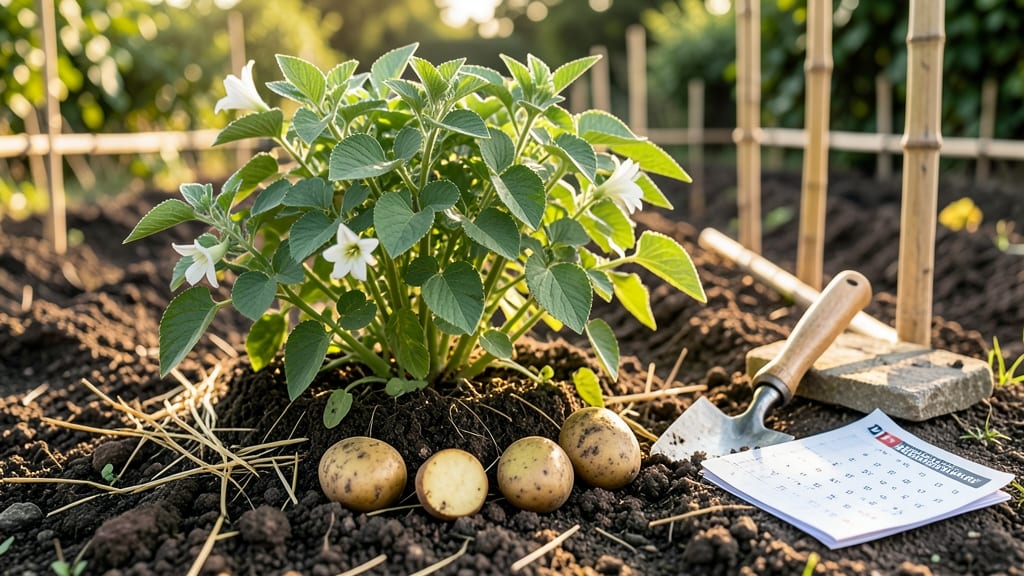
Knowing when to plant potatoes in Zone 6 could be the difference between a thriving garden and a failed harvest. With the right timing, you’ll enjoy crisp, homegrown 🥔 by late summer—but get it wrong, and frost or slow growth will leave you disappointed.
Zone 6’s unpredictable spring weather makes planning tricky. Should you plant early, when soil is still cold, or wait for warmer temperatures? The answer depends on your sub-zone (6a vs. 6b) and whether you’re growing early or late varieties.
I’ll break down the exact weeks before your last frost date to plant potatoes, plus soil prep tips and regional tweaks for northern vs. southern Zone 6. Ready to grow a bountiful harvest? Let’s get started.
From frost dates to soil temperature thresholds, you’ll learn how to time your planting for success—without guessing. Whether you’re a beginner or a seasoned gardener, these insights will help you maximize your potato yield.
Zone 6 potato planting timeline: exact weeks before last frost
In Zone 6, potatoes thrive when planted 2–4 weeks before your last average frost date, which typically falls between mid-April and early May. This timing ensures your tubers establish roots before summer heat peaks.
For 6a sub-zones (colder), aim for late March to early April, while 6b sub-zones (warmer) can start as late as mid-April.
Soil temperature is your best indicator—wait until it reaches 45°F (7°C) at least 6 inches deep. Cold soil slows sprouting, delaying your harvest. Use a soil thermometer to check, or press your finger into the soil: if it feels cool but workable, it’s ready.
Planting too early risks frost damage to emerging sprouts, while waiting too long shortens the growing season.
Potatoes need 70–120 days to mature, depending on the variety. Early-season types (like Yukon Gold) mature in 70–90 days, while late-season varieties (like Russet) take 100–120 days. Calculate backward from your first frost date (usually mid-October in Zone 6) to avoid premature harvests.
For example, if your last frost is April 20, plant early varieties by April 6 and late varieties by March 20. This ensures tubers mature before cold weather returns.
Use a frost calendar for your specific location—microclimates (like urban heat islands or sheltered valleys) can shift dates by 1–2 weeks.
| Variety Type | Planting Window | Days to Maturity | Ideal Zone 6 Start Date |
|---|---|---|---|
| Early (New Potatoes) | 2–3 weeks before last frost | 70–90 days | March 20–April 5 |
| Mid-Season (All-Purpose) | 3–4 weeks before last frost | 90–100 days | March 10–March 30 |
| Late (Storage) | 4–5 weeks before last frost | 100–120 days | February 25–March 15 |
Pro tip: If you’re unsure about frost dates, use frost-sensitive plants (like coleus) as a test. Plant them first—if they survive 3 weeks without damage, your soil is safe for potatoes. Alternatively, check your local Cooperative Extension Service for hyper-local frost data.
For northern Zone 6 (e.g., Chicago, IL), plant early varieties by March 15 to avoid late frosts. In southern Zone 6 (e.g., Atlanta, GA), you can push planting to mid-April without risk. Always err on the earlier side—potatoes grow faster in cooler soil than in scorching heat.
Extend your season with row covers or cold frames if you plant in late February. These protect sprouts from light frosts (28–32°F) and let you start 2–3 weeks earlier.
Just remove covers when flowers appear to prevent overheating. For container growing, use 5-gallon buckets and move pots to a sunny spot after last frost.
Missed the window? Don’t panic! Plant fast-maturing varieties (like ‘Red Norland’) in late May for a small harvest. Use black plastic mulch to warm soil and drip irrigation to keep roots hydrated. Just expect smaller yields—potatoes planted after June 1 rarely mature fully in Zone 6.
Remember: Soil prep is just as critical as timing. Amend your beds with compost and sand for drainage, and avoid fresh manure—it burns tender potato sprouts. Test your soil’s pH (aim for 5.0–6.5), and add lime if needed. Well-prepped soil = faster sprouting and bigger tubers.
Zone 6 potato planting timeline: exact weeks before last frost
Zone 6 gardeners face a tricky balance: plant potatoes too early, and frost will damage tender sprouts; too late, and your harvest shrinks. The ideal window is 2–4 weeks before your last frost date, but soil temperature matters just as much as calendar dates.
For most of Zone 6, this means mid-March to early April—but your exact timing depends on whether you’re in 6a (colder) or 6b (warmer).
Soil temperature is the real secret. Potatoes thrive when soil reaches 45°F (7°C), which typically happens 2–4 weeks after last frost in Zone 6. Use a soil thermometer to confirm—planting when soil is too cold delays sprouting and invites rot.
In northern Zone 6 (6a), aim for late March to early April; in southern Zone 6 (6b), you can start as early as mid-to-late February under frost protection.
| Variety Type | Planting Window (Zone 6) | Days to Maturity | Best For |
|---|---|---|---|
| Early Varieties | 2–3 weeks before last frost (late March) | 60–90 days | New potatoes, short seasons |
| Mid-Season | 1–2 weeks before last frost (early April) | 90–110 days | Storage potatoes, steady harvest |
| Late Varieties | At last frost (mid-April) or after | 110–120 days | Large tubers, extended harvest |
🌱 Pro Tip: Early varieties like 'Yukon Gold' or 'Red Norland' are foolproof for Zone 6 beginners.
Microclimates throw a wrench into the plan. If your garden sits in a low-lying area or near large bodies of water, frost lingers longer—wait until late April to plant. Conversely, south-facing slopes or urban heat islands warm up faster, letting you plant 2–3 weeks earlier.
Watch your local weather forecast for the average last frost date, then subtract 2–4 weeks based on your variety.
For cold-hardy varieties like 'Kennebec' or 'Russet Burbank', you can even plant as early as February under row covers or cold frames. These protect sprouts from 28°F (-2°C) frosts and jumpstart growth.
Just remove covers when soil warms to 50°F (10°C) to prevent overheating. I’ve had success with this method in Zone 6a, harvesting new potatoes by mid-June.
Don’t overlook succession planting. In Zone 6, you can squeeze in two harvests: plant early varieties in March and late varieties in late April.
This stretches your harvest from June to September. Just ensure your second planting has 90+ frost-free days left—check your local USDA frost map to confirm.
If you’re still unsure, use the sprout test: cut open your seed potatoes and plant those with 1-inch sprouts first. They’ll emerge faster, giving you a head start.
For slow starters, consider container growing—fill pots with well-draining mix and place them in a sunny spot after last frost for a late-season harvest.
Timing isn’t just about the calendar—it’s about soil, variety, and microclimate. Master these, and you’ll enjoy homegrown potatoes from June to October in Zone 6. Happy planting! 🥔