
Companion Plants
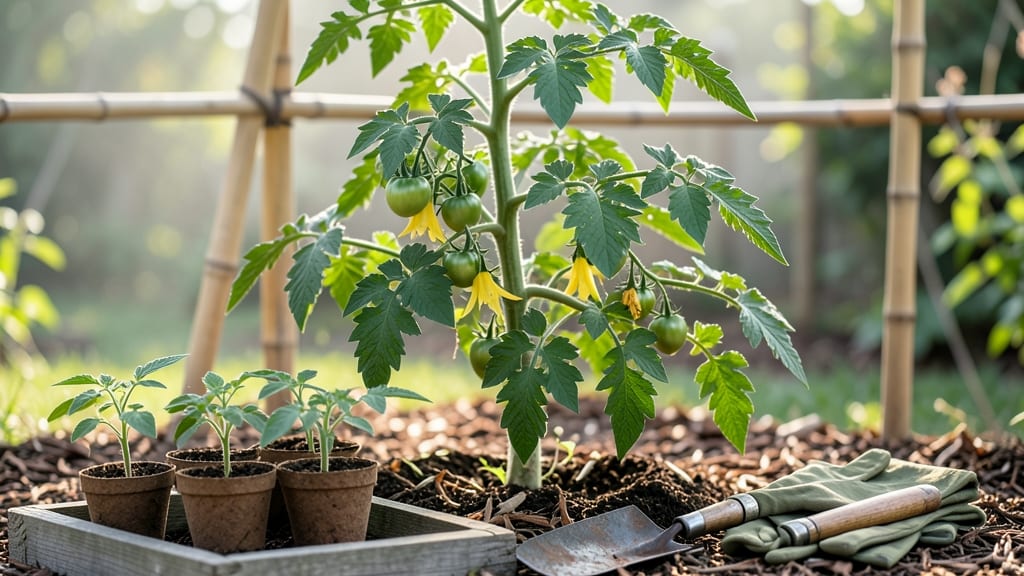
If you're dreaming of a bountiful harvest of juicy 🍅 tomatoes, knowing when to plant tomatoes in Florida is the game-changer you need.
Florida’s frost-free zones—from 8a in the Panhandle to 11 in the Keys—mean you can grow tomatoes year-round, but timing is everything to avoid heat stress or early frost.
Most gardeners make the same mistake: planting too early in North Florida or too late in South Florida, risking lost crops. The key is understanding your microclimate—whether you're in the humid heat of Central Florida or the milder coastal areas.
With the right start dates, you’ll maximize your harvest from spring through fall.
I’ll break down the exact frost-free windows for your region, whether you’re transplanting seedlings or starting from seed. You’ll also discover how to prep your soil for Florida’s sandy, acidic conditions and avoid the three biggest planting mistakes that kill yields.
Ready to grow tomatoes like a pro? Let’s dive into the perfect planting schedule so you can enjoy homegrown tomatoes from March through November—without the guesswork.
Florida’s tomato planting zones: frost-free dates by region
Florida’s diverse climate zones mean you can grow tomatoes almost year-round—but timing is everything. Unlike northern states, Florida’s frost-free windows vary dramatically from North Florida’s chilly winters to South Florida’s tropical heat. Understanding your zone helps you avoid frost damage in spring and heat stress in summer.
Most of Florida falls within USDA Zones 8a-11, but even within these zones, microclimates create big differences. For example, Jacksonville (Zone 8b) has last frost dates in mid-January, while Miami (Zone 11) rarely sees frost at all.
Let’s break down the optimal transplant dates for each region to maximize your harvest.
🌱 PRO TIP: Florida gardeners often plant two crops per year—spring and fall—while heat-tolerant varieties like ‘Solar Fire’ or ‘Heatmaster’ thrive in summer’s intense heat.
| Region | USDA Zone | Last Frost Date | First Frost Date | Spring Transplant Window | Fall Transplant Window | Summer Varieties |
|---|---|---|---|---|---|---|
| North Florida (Jacksonville, Gainesville) | 8a-8b | Mid-January | Early December | Mid-March to April 15 | August 15 to September 15 | ‘Celebrity’, ‘Better Boy’ |
| Central Florida (Orlando, Tampa) | 9a-9b | Late January | Mid-November | Late February to April 1 | July 15 to September 1 | ‘Solar Fire’, ‘Heatmaster’ |
| South Florida (Miami, Fort Lauderdale) | 10a-11 | Rare (Dec 1) | Rare (Jan 1) | January to March | June to October | ‘Florida 47’, ‘Sunmaster’ |
| Panhandle (Pensacola, Tallahassee) | 8a-8b | Late January | Early December | Late March to April 15 | August 1 to September 10 | ‘Mountain Merit’, ‘Early Girl’ |
If you’re in North Florida, wait until mid-March to transplant seedlings—earlier plantings risk frost damage even if the air feels warm. In Central Florida, you can start as early as late February, but monitor soil temperatures (aim for 60°F+).
For South Florida gardeners, the real challenge is heat stress. Tomatoes planted in summer’s peak heat (June-August) need shade cloth and extra water. Choose heat-tolerant varieties like ‘Florida 47’, which thrives in 90°F+ temperatures.
💡 REGIONAL TIP: In Central Florida, I’ve had success with succession planting—starting a second crop in late July for a fall harvest before the first frost hits in November.
One common mistake is assuming all of Florida is frost-free. Even South Florida can see rare light frosts in December or January, so always have row covers ready. For container gardeners, move pots to protected areas if frost is forecasted.
🌿 VARIETY MATTERS: Determinate tomatoes (like ‘Roma’) are better for fall crops because they ripen all at once, while indeterminate varieties (like ‘Better Boy’) produce continuously—ideal for spring and summer.
Step-by-step tomato planting timeline for Florida’s climate
Florida’s warm winters and long summers let you grow tomatoes almost year-round, but timing is everything. Whether you’re starting seeds indoors or transplanting seedlings, follow this month-by-month guide to maximize your harvest in Florida’s unique climate.
For North Florida (Zones 8a-9a), focus on spring and fall planting to avoid late-winter frosts. In Central and South Florida (Zones 9b-11), you can plant year-round, but summer heat requires extra care. Let’s break it down by season.
🌱 Florida Tomato Planting Timeline
- January-February (North FL only): Start heat-tolerant varieties indoors (e.g., ‘Celebrity’ or ‘Solar Fire’). Seedlings need 6-8 weeks before last frost (~mid-February).
- March (All Regions): Transplant spring seedlings outdoors after soil warms to 60°F. In South FL, direct-sow heat-resistant varieties like ‘Heatmaster’ or ‘Solar Set’.
- April-May: Succession plant every 2-3 weeks for continuous harvests. Mulch with straw or black plastic to retain moisture and regulate soil temp.
- June-July (Summer Challenge!): Use shade cloth (30-50%) to protect plants from 90°F+ temps. Drip irrigation keeps roots cool. Choose determinate varieties (e.g., ‘Patio’ or ‘Roma’) for faster harvests.
- August-September: Prepare for fall planting! Start seeds indoors or buy transplants. Soil temps should stay above 60°F for root growth.
- October-November (North FL): Final fall transplant before first frost risk (~December). In South FL, plant winter varieties like ‘Cherry’ tomatoes for holiday harvests.
- December (South FL only): Light winter harvests possible with row covers or greenhouses. Most North FL gardens rest until spring.
🌞 Pro Tip: Test soil pH (aim for 6.0-6.8) and amend with compost or lime before planting.
Florida’s sandy, acidic soil drains too fast for tomatoes. Before planting, mix in 2-3 inches of compost and a balanced fertilizer (5-10-10) to give your plants a nutrient boost. For container gardening, use a 5-gallon pot minimum with a well-draining potting mix.
Water deeply every morning (1-1.5 gallons per plant) to encourage deep root growth. Avoid wetting leaves to prevent fungal diseases like early blight—common in Florida’s humid summers. If your tomatoes start flowering in hot weather, hand-pollinate by gently shaking plants or using a small brush.
With this timeline, you’ll avoid frost damage, beat the summer heat, and enjoy homegrown tomatoes from spring through fall—maybe even winter in South Florida! 🍅