
Plants
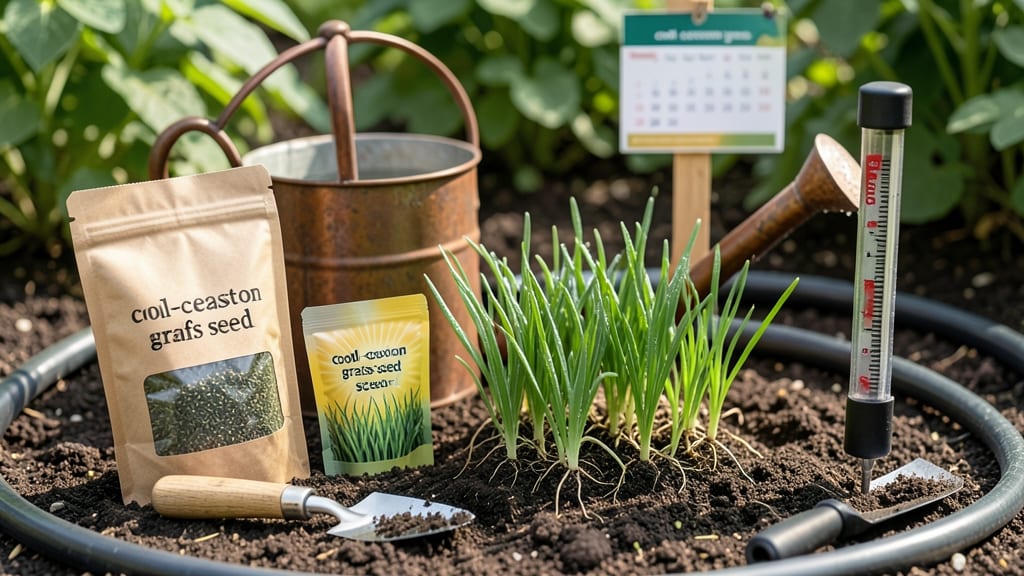
Planting your spring grass at the wrong time can turn your green dreams into a patchy nightmare—yet most homeowners miss the perfect window by weeks, wasting seeds and effort. The key isn’t just waiting for warmer weather; it’s understanding soil temperatures, frost dates, and your local climate zone.
In USDA Zone 6a, like many temperate regions, the ideal moment arrives when soil hits 50°F—but timing varies wildly from coast to coast.
I’ve seen firsthand how a few degrees too cold can delay germination by 2-4 weeks, while planting too late invites summer heat stress. The good news? With the right cues—like checking soil warmth or tracking frost-free dates—you can nail the timing every time.
Let’s break down exactly when to plant, what to watch for, and how to adjust for your specific location.
Cool-season grasses like fescue and ryegrass thrive when soil temperatures stay between 45°F and 65°F, while warm-season varieties need to wait until the ground warms up. Missing this range means slower growth, weaker roots, or even failed sprouts.
Whether you’re in a chilly northern climate or a milder southern zone, knowing your local deadlines is the game-changer for a lush, established lawn.
Ready to skip the guesswork? I’ll walk you through soil tests, frost calculators, and regional tweaks so you can plant with confidence—no more second-guessing or wasted seed packets. Let’s get your lawn off to the right start.
Soil temperature rules for spring grass planting (by grass type)
Planting grass in spring depends entirely on soil temperature, not just air temperature. Cool-season grasses like Kentucky bluegrass and tall fescue need 45-60°F soil to germinate, while warm-season types like Bermuda or Zoysia wait until 65-75°F.
Testing your soil’s warmth is the first step—skip this, and you risk slow growth or seed rot.
Use a soil thermometer ($10 at garden centers) to check 2-4 inches deep, where seeds will be. Morning readings are most accurate. If your soil is below 45°F, wait—even if the air feels warm. Cold snaps can stall germination for weeks, leaving bare patches that weeds will invade.
Cool-season grasses dominate northern lawns (Zones 3-7) and thrive when planted in early spring or fall. Warm-season grasses, common in Zones 8-10, should only be seeded in late spring after the last frost. Mixing up these timelines leads to thinning grass or dormant patches.
| Grass Type | Ideal Planting Soil Temp (°F) | Minimum Safe Temp (°F) | Cold Snap Risk | Best Months (USDA Zones 3-7) |
|---|---|---|---|---|
| Kentucky Bluegrass | 50-60°F | 45°F | High (stalls growth) | March–April |
| Tall Fescue | 55-65°F | 48°F | Moderate (slows germination) | April–early May |
| Perennial Ryegrass | 45-55°F | 40°F | Very High (seed rot risk) | March–April |
| Bermuda Grass | 65-75°F | 60°F | Low (heat-loving) | May–June (Zones 8-10) |
| Zoysia Grass | 70-80°F | 65°F | None (dormant in cold) | Late May–July |
*Regional adjustments: Coastal areas may plant 1-2 weeks earlier due to milder soil temps.
If your soil is too cold, don’t panic—use black plastic mulch or straw blankets to warm it by 5-10°F in 1-2 weeks. For warm-season grasses, wait until nighttime temps stay above 60°F consistently. Planting too early means seeds may dormant until summer, leading to uneven growth.
Pro tip: Ryegrass mixes often include perennial ryegrass, which germinates fastest (5-10 days) in cool soil. Pair it with fescue for a 2-3 week establishment window. Warm-season grasses like Bermuda take 14-21 days to sprout but need consistent heat to thrive.
Watch for soil crusting after planting—lightly rake seeds into topsoil to prevent dried mud barriers that block water and air. Overwatering here is worse than underwatering; aim for 1 inch of water weekly (check with a rain gauge), split into 2-3 short sessions to avoid runoff.
In Zone 5 or colder, aim to plant 4-6 weeks before your average last frost date. Use your local cooperative extension office’s frost calendar—their data is far more precise than generic
USDA Zone planting deadlines: exact weeks after last frost
Your USDA hardiness zone dictates the precise window for spring grass planting, but even within zones, microclimates create exceptions. For example, coastal areas in Zone 7 might see frost-free dates 2-3 weeks earlier than inland regions.
I’ve planted grass in both settings and can tell you: ignoring these variations can mean delayed germination or even seed rot.
Let’s break down the exact weeks after last frost to plant by zone, including adjustments for coastal vs. inland microclimates. These deadlines assume you’ve already prepped your soil (pH 6.0-7.0, loose texture) and chosen the right cool-season grass for your climate.
🔍 Pro Tip: Use the National Weather Service’s frost calendar or local cooperative extension office for your exact last-frost date. Even a 1-week delay can push your planting into less-than-ideal conditions.
Plant 2-4 weeks after last frost (soil ≥45°F). Use frost blankets for early planting.
Optimal window: 3-6 weeks post-frost (soil ≥50°F). Avoid late April heatwaves.
Fall planting preferred; spring only in high-elevation areas (soil ≤75°F).
In Zone 6a, where many homeowners live, the sweet spot is 4-6 weeks after last frost, typically landing in early to mid-April. But if you’re in a coastal Zone 7, you might plant as early as late March—just check that soil temps stay above 50°F consistently.
I once planted too early in a Zone 6b garden, and a late-March cold snap set my seeds back by 3 weeks.
For Zone 8-10 gardeners, spring planting is risky unless you’re at higher elevations. Warm-season grasses like Bermuda or Zoysia actually prefer soil temps above 70°F, which often arrives in late spring or early summer.
If you’re dead set on spring planting in these zones, stick to shade-tolerant fescue and monitor soil temps closely.
One final rule: Never plant within 2 weeks of forecasted rain—soggy soil smothers seeds. Use a soil thermometer (they’re cheap!) to confirm temps before committing. Your lawn’s success starts with nailing this timing—trust the data, not the calendar.