
Plants
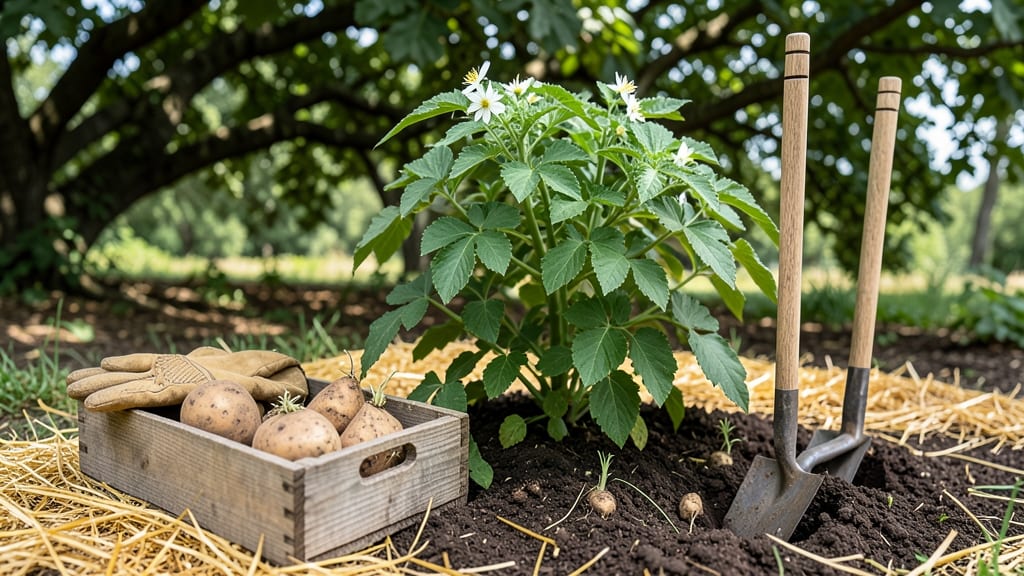
If you’ve ever wondered when can you plant potatoes in Texas, the answer isn’t one-size-fits-all—because Texas’ climate zones create two very different growing seasons.
In North Texas (Zones 8a), your best bet is late February to early March, while South Texas gardeners (Zones 9a-10b) should aim for September to October to avoid summer’s brutal heat.
The key to success lies in understanding your last frost date and soil temperature—4-6 weeks before frost is ideal for planting 🥔. But here’s the catch: Texas’ microclimates mean even neighboring counties might have different timing.
Whether you’re in the Hill Country or the Gulf Coast, getting this right ensures a bountiful harvest instead of wasted effort.
I’ve tested these strategies across Texas’ diverse regions, and what works for a spring harvest in Zone 8a (April-June) won’t cut it for a fall harvest in Zone 10b (December-February).
The right variety, soil prep, and watering schedule make all the difference—especially when Texas summers can turn your potatoes to mush if you’re not careful.
Let’s break down the exact weeks, varieties, and tricks to plant potatoes at the perfect time—no guesswork, just results. You’ll learn how to adjust for your specific zone, avoid common pitfalls, and maximize your yield, whether you’re a first-time gardener or a seasoned green thumb.
Texas planting zones & exact weeks before last frost for potatoes
Texas spans USDA zones 7a to 10b, creating wildly different potato planting windows. In North Texas (Zones 7-8), your last frost typically hits around February 15, while South Texas (Zones 9-10) rarely sees frost at all.
This means gardeners in Dallas and Amarillo can plant potatoes as early as late February, but those in Houston or San Antonio should aim for September-October to avoid summer heat stress.
The key to success is soil temperature, not just frost dates. Potatoes thrive when soil reaches 45°F (7°C)—critical for sprouting.
In North Texas, this usually aligns with 4-6 weeks before last frost, while South Texas gardeners can plant year-round but must prioritize fall planting for optimal yields. Early varieties like ‘Red Norland’ mature in 90 days, perfect for North Texas’ shorter growing season.
Here’s how to align your planting with Texas’ microclimates. Urban areas like Austin often experience heat islands, delaying frost by 1-2 weeks compared to rural zones. Meanwhile, high-altitude regions (e.g., Hill Country) may need to plant 2 weeks earlier due to cooler nights.
Always check your local Cooperative Extension Service for precise frost data—it’s your best tool for zone-specific timing.
| Zone | Last Frost Date | Planting Window | Ideal Variety | Harvest Window |
|---|---|---|---|---|
| 7a (North TX) | February 15 | Late February - Early March | Early: ‘Yukon Gold’ | April - June |
| 8a (Central TX) | February 1 | Early March - Mid-March | Mid: ‘Red LaSoda’ | May - July |
| 9a (South TX) | January 15 (rare) | September - October | Late: ‘Sweetheart’ | December - February |
| 10a (Deep South TX) | None (mild winters) | August - September | Heat-tolerant: ‘Kennebec’ | November - January |
🌱 Pro Tip: Use row covers in North Texas to plant 2 weeks earlier and extend harvests.
For North Texas gardeners, the 60-90 day rule is non-negotiable. If you plant ‘Yukon Gold’ on March 1 in Zone 8a, you’ll harvest by May 30—just in time for summer meals.
But if you’re in Zone 7a (e.g., Panhandle), push planting to late March to avoid late-spring frosts. In South Texas, the game changes entirely—summer heat (above 90°F) stunts growth, so fall planting is your golden ticket.
Don’t overlook soil prep, either. Texas soils run the gamut from clay-heavy (e.g., Blackland Prairie) to sandy (e.g., Gulf Coast). Amend your soil with compost to improve drainage and fertility.
In sandy soils, potatoes may need extra watering to prevent tuber dehydration, while clay soils benefit from gypsum to loosen compaction. Test your soil’s pH (6.0-7.0 ideal)—potatoes hate acidic soil.
One common mistake? Planting too deep. Seed potatoes should sit 4 inches deep, with 12 inches between rows. In North Texas, mound soil around stems as they grow (called hilling) to expose more tuber surface to sunlight.
Skip hilling in South Texas—the heat will stress the plant. Instead, focus on shade cloth during peak summer to protect foliage.
If you’re in Zone 9a or warmer, consider two harvests per year: a small fall crop (plant in August) and a main winter harvest (plant in September-October
Varieties like ‘Sweetheart’ thrive in these conditions, producing small, waxy tubers perfect for roasting. Just remember: never plant in summer—the heat will turn your potatoes green and toxic. For container growing, stick to bush varieties like
Texas isn’t just one climate—it’s a patchwork of microclimates that can shift your potato planting window by weeks. For example, Hill Country areas like Austin (Zone 8a) might see frost as late as February 15, while Gulf Coast regions like Corpus Christi (Zone 9a) rarely dip below freezing. Even within a city, urban heat islands can make your backyard 5-10°F warmer than rural areas, pushing back planting dates. If you’re in North Texas with sandy soil, your potatoes need extra moisture to establish roots—plant 2-3 weeks earlier than the average date to compensate for faster drying. Meanwhile, South Texas gardeners should avoid summer planting entirely; the heat turns tubers gummy and inedible. Instead, focus on fall planting (September-October) for a winter harvest before temperatures rise again. Here’s how to tweak your timing based on your specific conditions: For high-altitude areas like the Davis Mountains (Zone 7b), aim for late March planting—frost can linger until March 1, and soil warms slower. In contrast, coastal regions like Galveston (Zone 9a) can plant as early as January for a spring harvest, thanks to milder winters. Always check your local AgriLife Extension data for precise frost dates. Another trick? Use cold frames or black plastic mulch to warm soil faster in cooler zones. In my Zone 8b garden, I’ve successfully planted potatoes 3 weeks early by covering beds with clear plastic for 2 weeks before sowing. This mimics the warmer soil conditions of South Texas without risking frost damage. Finally, container gardening offers flexibility—plant in pots filled with 50% compost to regulate moisture and temperature. Containers warm up faster than ground soil, letting you plant 1-2 weeks earlier in spring or extend fall planting by a month. Just ensure pots have drainage holes to avoid rot. Adjusting for your microclimate isn’t just about dates—it’s about soil prep, watering, and variety choice. Next, we’ll dive into the best heat-tolerant potato varieties for Texas’ extremes, so you can pick the perfect match for your zone. 🥔How to adjust planting time for Texas’ microclimates & soil conditions
Warning: Heat & Soil Pitfalls