
Plants
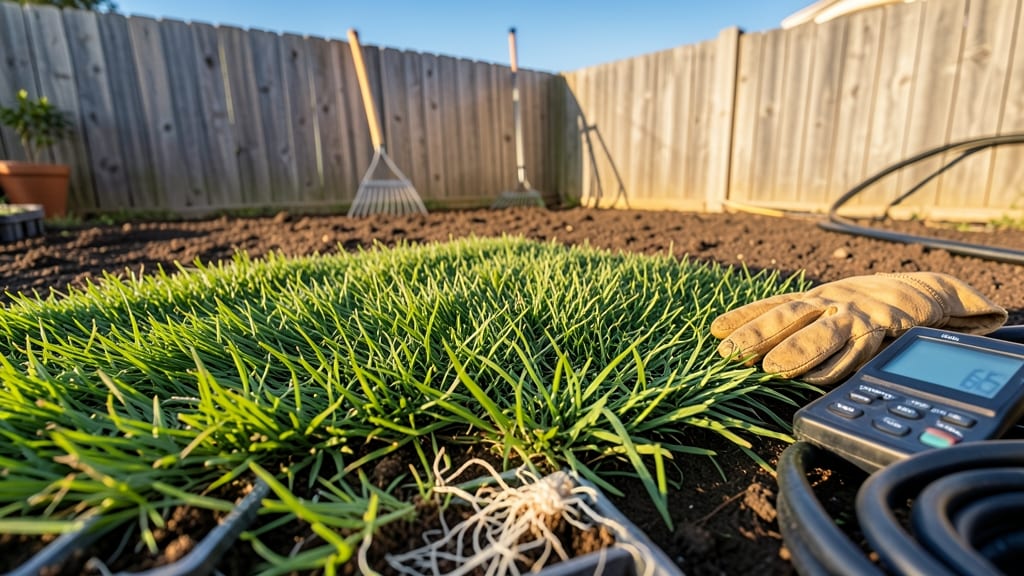
If you're dreaming of a lush, heat-resistant lawn in North Georgia, timing your Bermuda grass planting perfectly is the key to success—plant too early or late, and your grass could struggle to establish before winter's chill sets in.
With North Georgia's 7a-8a climate, the ideal window for planting 🌱 Bermuda grass is between late spring and early summer, when soil temperatures consistently hit 65°F or warmer. This gives your grass the fast start it needs to develop deep roots before the cooler months arrive.
But here's the catch: planting too soon risks frost damage, while waiting too long could mean weaker growth before winter dormancy kicks in. I'll walk you through the exact timing, soil prep, and local factors that make all the difference in getting that vibrant, resilient lawn you're after.
Let's dive into the game-changer strategies that'll help your Bermuda grass thrive in North Georgia's unique climate—so you can enjoy that perfect green carpet all summer long.
Optimal planting windows for Bermuda grass in North Georgia's heat zone 8A
North Georgia's Heat Zone 8A climate creates perfect conditions for Bermuda grass once you nail the planting window. The key is planting after the last frost when soil temperatures consistently reach 65°F—this ensures strong root development before winter dormancy.
For most of North Georgia, this means aiming for late April to mid-May, but timing can shift slightly based on elevation and microclimates.
If you're using Bermuda grass seeds, early summer (June) is also a viable option, though it may require more frequent watering to help young plants establish. Sod, however, should always be installed in late spring to give roots time to anchor before summer heat peaks.
The USDA Zone 7a-8a frost-free window of about 210 days gives you flexibility, but don't wait too late—planting after mid-June risks weak growth before winter.
Here's the golden rule: Bermuda grass needs 6-8 weeks of warm soil before the first frost. In North Georgia, that means starting no later than early July for seed planting or late June for sod.
Waiting longer than this can leave your lawn vulnerable to winter kill or slow recovery in spring.
🌱 Bermuda Grass Planting Timeline for North Georgia
| Planting Stage | Ideal Timeframe | Soil Temp Requirement | Key Consideration |
|---|---|---|---|
| Seed Planting | Late April - Mid-May | 65°F+ consistently | Maximize root growth before summer heat |
| Seed Planting (Alternative) | Early June | 70°F+ consistently | Requires frequent watering for establishment |
| Sod Installation | Late April - Early June | 60°F+ minimum | Faster establishment than seed |
| Avoid Planting After | Mid-July | N/A | Risk of weak root system before winter |
📅 Pro Tip: Check soil temp with a soil thermometer—Bermuda grass seeds need warm soil to germinate properly.
North Georgia's humidity levels and occasional summer droughts also play a role in timing. Planting in late spring gives your Bermuda grass a head start on moisture before the dog days of summer.
If you're in higher elevations (like the Blue Ridge Mountains), aim for early May—cooler nights can delay soil warming.
For sod installation, the window is slightly wider—you can go until early July because established sod has a better chance of surviving summer heat. However, sod planted after July 15th may struggle to establish strong roots before the first frost in November.
Always choose drought-resistant varieties like 'Tifway' or 'Celebration' for North Georgia's climate.
Watch for local weather patterns too. If you're in Atlanta or Athens, you might push planting to early June due to hotter microclimates, while mountain regions like Dahlonega should stick to late April.
Use your local cooperative extension service for hyper-local frost date data—this can shift planting windows by 2-3 weeks depending on elevation.
One common mistake is planting too early in March or April when soil is still cool. Bermuda grass seeds won't germinate below 65°F, and early planting can lead to fungal diseases from prolonged moisture on cool soil.
Always wait until the last frost date has passed (typically March 15 in most of North Georgia) before planting.
To confirm you're ready to plant, perform the "soil squeeze test": Grab a handful of soil—if it crumbles easily when dry and holds shape when wet, it's at the right moisture level for Bermuda grass.
Pair this with a soil thermometer reading of 65°F+, and you're golden. Planting at this stage ensures your grass gets the 6-8 weeks of warm weather it needs to establish before winter.
Optimal planting windows for Bermuda grass in North Georgia's heat zone 8A
North Georgia's Heat Zone 8A climate creates a unique window for planting Bermuda grass—too early risks frost damage, while late planting may leave your lawn struggling to establish before winter dormancy.
The ideal planting window spans late April through early June, aligning with soil temperatures above 65°F and consistent daytime warmth.
For seed planting, aim for mid-April to early May when soil warms and frost risk drops. If using sod, extend your window until late May to early June for faster establishment.
This timing ensures your grass develops a robust root system before North Georgia's first frost in mid-November.
| Planting Method | Best Window | Soil Temp Requirement | Key Consideration |
|---|---|---|---|
| Seeds | Mid-April to Early May | 65°F+ | Germination takes 10-14 days; needs consistent moisture |
| Sod | Late May to Early June | 70°F+ | Establishes faster; requires immediate watering |
| Spring Transition | Early April (Risky) | 55°F+ | Only for early varieties; protect with frost cloth |
Local North Georgia microclimates can shift planting windows by 1-2 weeks. Higher elevations (e.g., Blue Ridge Mountains) may delay planting until late May, while lower elevations near Atlanta's outskirts can start as early as mid-April.
Check your last frost date—most areas see their final frost by March 15, but cold snaps can linger.
Bermuda grass thrives in full sun (6+ hours daily), so avoid shady areas where establishment slows dramatically. In North Georgia's humid summers, prioritize well-draining soil to prevent fungal issues. A soil thermometer is your best tool—plant only when temperatures consistently stay above 65°F for 5+ days.
If you miss the ideal window, don't panic! You can still plant Bermuda grass in August, but growth will slow as temperatures drop. For a fall planting, focus on late August to early September to allow 4-6 weeks of growth before dormancy.
Just be prepared for a less robust lawn the following spring.
Pro tip: Mark your calendar for June 15—this is the absolute last recommended date for seed planting in most of North Georgia. After this, sod becomes your best bet for a full-season lawn.