
Plants
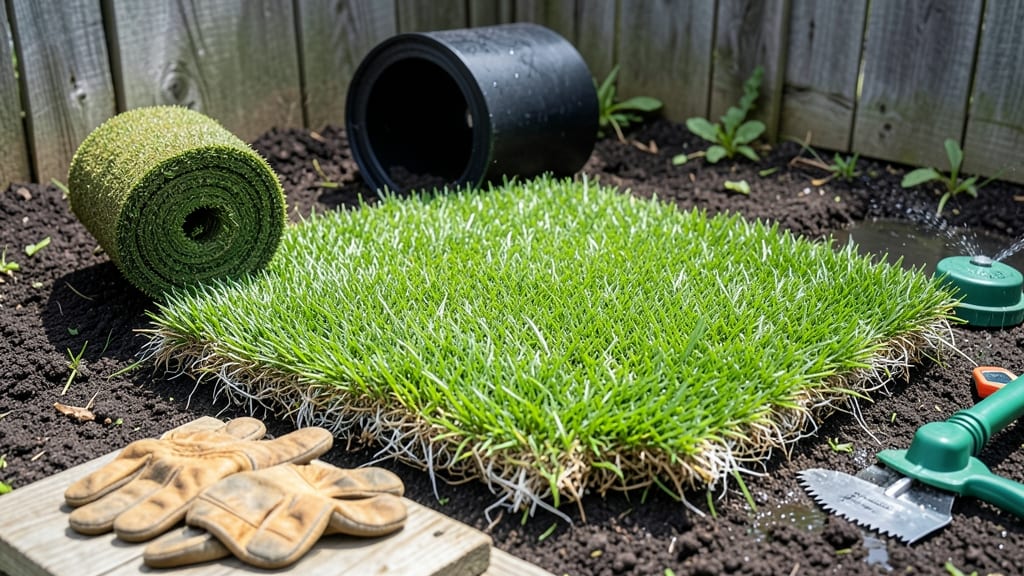
Timing your Bermuda grass sod planting in Georgia isn’t just about the calendar—it’s about beating the heat to give your lawn the strongest start possible.
Plant too early, and you risk weak roots struggling with cool soil; too late, and the scorching Georgia sun can stress your new sod before it even takes hold.
Most Georgia gardeners wait until after the last frost—typically by mid-April in the north and May in the south—but the real magic happens when soil temperatures hit 65°F and stay there.
That’s when your sod will root fast and outpace summer’s drought cycles, giving you that thick, drought-resistant lawn you’re after.
I’ve seen firsthand how a 2-week difference in planting can mean the difference between a lush green carpet and patchy, struggling grass.
Whether you’re in USDA zone 7b or 8b, this guide breaks down the exact windows—plus pro tips to prep your soil, water like a pro, and avoid common mistakes that derail even the best-laid plans.
Ready to plant with confidence? Let’s dive into the heat zone deadlines that will have your Bermuda grass sod thriving in no time—without the guesswork.
Georgia’s Bermuda grass planting deadlines by heat zone: exact weeks to maximize root growth
Timing your Bermuda grass sod installation in Georgia isn’t just about avoiding frost—it’s about aligning with soil temperatures and heat zone deadlines that ensure fast root establishment. In North Georgia (USDA Zones 7b-8a), aim for late April to early May when soil temps consistently hit 65°F+.
For South Georgia (Zones 8a-9a), the window shifts to mid-May through June to escape early summer’s brutal heat.
Why these deadlines? Bermuda grass roots aggressively when soil temps stay above 65°F—too early, and cool nights slow growth; too late, and heat stress or drought can kill new sod before roots form.
Georgia’s humidity spikes in late summer, making August planting a secondary (but riskier) option for experienced gardeners.
Here’s the critical rule: Plant when daytime highs average 80°F+ but nighttime lows stay above 60°F. Use a soil thermometer to confirm—65°F at 4” depth is your green light. Skipping this step means weak roots and a lawn that fades to brown under Georgia’s summer sun.
| Georgia Region | USDA Zone | Optimal Planting Window | Soil Temp Threshold | Key Risk |
|---|---|---|---|---|
| North GA (Athens, Gainesville) | 7b-8a | Late April–Early May | 65°F+ at 4" | Cool soil slows roots |
| Central GA (Macon, Columbus) | 8a-8b | Mid-April–Late May | 65°F+ at 4" | Late frost damage |
| South GA (Savannah, Valdosta) | 8b-9a | May–Early June | 70°F+ at 4" | Heat stress |
| Secondary Window (All Regions) | N/A | Late August–Early Sept | 75°F+ at 4" | Fungal risk |
Missed the primary window? Don’t panic—late August to early September offers a secondary chance, but only if you’re prepared for aggressive watering and fungus prevention. This period avoids the peak heat of July while still keeping soil warm enough for root growth.
However, humidity levels rise sharply, so daily fungicide applications may be needed to prevent brown patch disease.
Pro tip: Test your soil’s pH (aim for 6.0–7.0) and amend with compost 2–3 weeks before planting. Bermuda grass thrives in slightly acidic soil, and proper prep ensures faster rooting.
In North Georgia, add a thin layer of mulch to protect new sod from late spring frosts, while South Georgia gardeners should focus on shade cloth to temper midday heat during establishment.
One common mistake? Planting too early in March for a “head start”. Cool soil temps stall root growth, leaving sod vulnerable to drought stress when summer arrives.
Conversely, June planting risks heat shock—new roots can’t keep up with evaporative water loss, leading to brown patches within weeks.
For fastest results, choose early May in most of Georgia—this gives roots 6–8 weeks to establish before July’s heat peaks. Pair this with drip irrigation set to water 1 inch daily for the first 14 days, then taper to 3x weekly once roots are 2–3 inches deep.
Use a soil probe to check: if soil clumps when squeezed, roots are ready for normal watering schedules.
Remember: Berm
Georgia’s Bermuda grass planting deadlines by heat zone: exact weeks to maximize root growth
Georgia’s climate varies dramatically from north to south, so your Bermuda grass sod planting window depends on your USDA heat zone. In North Georgia (Zone 7b), aim for late April to early May when soil temps hit 65°F consistently.
For Central Georgia (Zone 8a), the sweet spot is mid-April to late May, while South Georgia (Zone 8b) can start as early as mid-March—just beware of late frosts!
Bermuda grass thrives in heat, but planting too early risks frost damage, while waiting too late means struggling with summer drought. The ideal soil temperature for sod establishment is 70-75°F, which aligns with Georgia’s late spring peak. Use a soil thermometer to confirm—this is your green light for planting.
🌱 Georgia Bermuda Grass Planting Timeline
| Zone | Best Planting Window | Soil Temp Threshold | Key Consideration |
|---|---|---|---|
| 7b (North GA) | Late April–Early May | 65°F+ consistently | Avoid late frosts; prioritize root growth before summer heat |
| 8a (Central GA) | Mid-April–Late May | 70°F+ consistently | Balanced window for growth and heat tolerance |
| 8b (South GA) | Mid-March–Early May | 68°F+ consistently | Early start possible; monitor for drought stress |
If you miss the spring window, don’t despair—late summer (August) is your second chance. This dormant planting trick works because Bermuda grass goes dormant in winter and rebounds quickly when temps rise again.
Just water deeply to help roots establish before fall rains arrive. Pro tip: Mow higher (3-4 inches) during establishment to shade roots and retain moisture.
Georgia’s summer heat can be brutal, so avoid planting in June or July unless you’re in South Georgia’s Zone 8b. The intense heat and drought cycles stress new sod, leading to brown patches or fungal issues.
Instead, focus on soil prep in early spring: till, amend with compost or sand, and level the ground for even moisture distribution.
For fastest root growth, pair your planting with a starter fertilizer (high phosphorus) to encourage root development. My go-to is a 10-20-10 NPK ratio applied at 0.5 lbs per 100 sqft.
Water daily for the first 2 weeks, then taper to 2-3x weekly once roots are established. A soil moisture sensor helps avoid over- or under-watering—critical in Georgia’s clay-heavy soils.
Remember: Bermuda grass is aggressive once established, but timing makes or breaks your lawn’s success. Plant at the right window, and you’ll see full coverage in 3-4 weeks—just in time for Georgia’s humid summer challenges. 🌱