
Plants
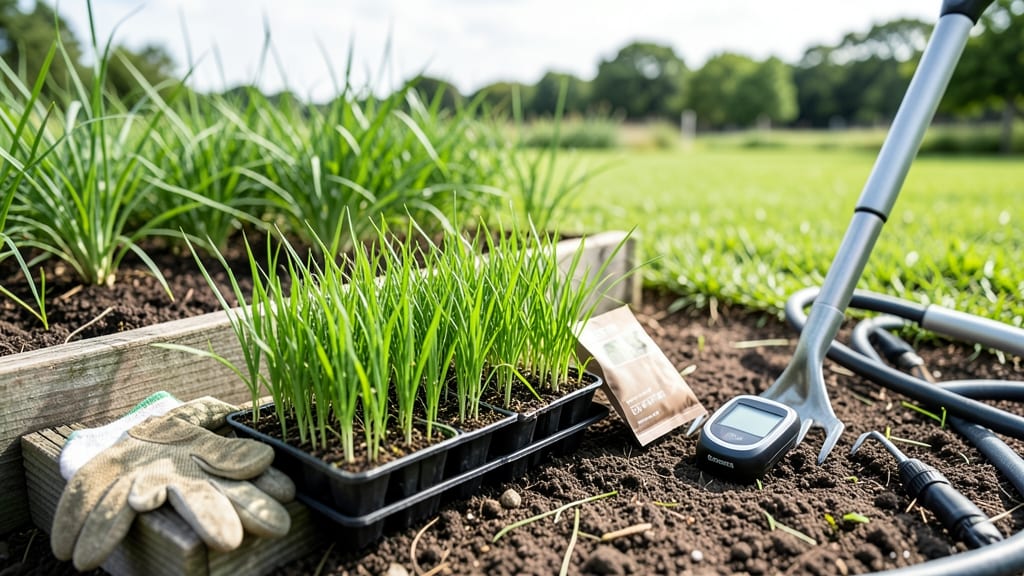
Planting Bermuda grass seed at the wrong time in South Carolina can turn your lawn dreams into a costly mistake—especially when heat and humidity play such a big role in germination.
The perfect window isn’t just about avoiding frost; it’s about syncing your planting with soil warmth and steady rainfall to give those seeds the best fighting chance.
If you’ve ever watched your freshly sown Bermuda grass 🌱 sprout unevenly or struggle under summer’s intensity, you’re not alone. The key to a thick, vibrant lawn lies in understanding South Carolina’s heat zones and when the ground is finally ready to support new growth.
I’ll break down exactly when to start, how to prep your soil, and what to watch for so you can skip the guesswork.
Most gardeners in zones 7b-9a wait until late April or early June, but timing shifts based on your microclimate. We’ll cover how to tell if your soil is warm enough, which varieties thrive in SC’s humidity, and how to protect your investment once those seeds hit the dirt.
Ready to transform your patchy lawn into a lush, sun-loving carpet?
Let’s dive into the step-by-step timeline that’ll have your Bermuda grass thriving—without the frustration. Whether you’re a first-time planter or a veteran looking to refine your method, these insights will make all the difference in your lawn’s long-term success.
Optimal planting windows for Bermuda grass seed in South Carolina’s heat zones
South Carolina’s USDA hardiness zones 7b-8a create a unique challenge for Bermuda grass growers—too early, and frost lingers; too late, and summer heat stifles germination.
The ideal planting window balances soil warmth and rainfall, typically spanning late April through early June for spring and late August to early September for fall. This timing ensures your seeds sprout when daytime temperatures consistently stay above 65°F and nights above 55°F.
For zone 7b (coastal areas like Charleston), aim for April 20–May 15 in spring, while zone 8a (Upstate regions like Greenville) can start as early as mid-April.
Fall plantings should finish by September 1st to allow roots to establish before winter dormancy. Missing these windows risks poor germination or fungal diseases from prolonged moisture.
Bermuda grass thrives in full sun (6+ hours daily), but South Carolina’s humid summers demand careful timing. Planting too early (before last frost) exposes seedlings to cold snaps, while late plantings may struggle with intense heat and drought stress.
Use a soil thermometer to confirm 65°F+ soil temps before seeding—this is your green light for success.
🌱
| Zone & Region | Spring Planting Window | Fall Planting Window | Soil Temp Requirement | Key Risk |
|---|---|---|---|---|
| Zone 7b (Coastal: Charleston, Myrtle Beach) | April 20–May 15 | August 20–September 1 | 65°F+ | Late frost damage |
| Zone 8a (Upstate: Greenville, Spartanburg) | April 1–May 10 | August 15–August 30 | 65°F+ | Summer drought stress |
| All Zones (Critical Note) | Avoid after June 15 | Stop by Sept 15 | N/A | Overwintering failure |
Microclimates in South Carolina add another layer of complexity. Coastal areas experience milder winters and higher humidity, while inland zones face hotter summers and lower rainfall.
For example, Hilton Head’s zone 8a can plant Bermuda grass as early as March 15 if soil temps are stable, whereas Upstate’s drier climates may need irrigation scheduling to prevent seed desiccation.
Pro tip: Check your local Cooperative Extension Service for real-time frost data. In 2023, a late-April frost in Charleston delayed spring plantings by 3 weeks—don’t let this happen to you! Use row covers if planting early, but remove them once consistent daytime temps exceed 70°F to avoid overheating.
Bermuda grass seeds need 1–3 weeks to germinate, depending on moisture and heat. In South Carolina’s heat, germination can happen in just 5–7 days if soil stays 70°F+. Monitor your lawn daily and keep seeds evenly moist (not soggy) with a light misting twice daily until sprouts appear.
Once seedlings reach 2 inches tall, thin to 1 inch spacing for a dense lawn.
💧
Timing isn’t just about the calendar—it’s about soil conditions. Test your soil’s pH (6.0–7.5 ideal) and drainage before planting. Compacted or clay-heavy soils in Upstate SC may need gypsum or sand amendments to improve aeration.
Meanwhile, sandy soils along the coast drain too quickly—mix in 2–3 inches of compost to retain moisture. These adjustments ensure your seeds don’t dry out or rot.
For maximum success, pair your planting window with drought-resistant varieties like ‘Tifway 419’ or ‘Celebration’, bred to handle South Carolina’s heat and humidity. These hybrids germinate faster and establish 20–30% quicker than standard types, giving you a head start on that lush, green lawn.
Critical pre-planting factors: soil, sunlight, and seed selection for SC climates
South Carolina’s humid subtropical climate demands careful preparation before planting Bermuda grass seed. The wrong soil conditions or seed choice can lead to poor germination or even total failure—so let’s fix that.
First, test your soil pH; Bermuda thrives in slightly acidic to neutral soil, ideally between 6.0 and 7.0. If your soil tests higher, amend it with peat moss or sulfur to lower the pH gradually over a few weeks.
Next, focus on drainage. Bermuda grass hates soggy roots, so avoid low-lying areas where water pools. If your yard has clay-heavy soil, mix in compost or sand to improve aeration.
A simple percolation test—digging a 12-inch hole and filling it with water—will show how quickly water drains. If it takes longer than 4 hours to drain, amend the soil before planting.
🌱
⚠️ Common Mistakes That Kill Bermuda Grass Germination
- Planting too early: Seeds rot in cool soil (<65°F).
- Skipping soil prep: Compacted or alkaline soil strangles roots.
- Overwatering: Leads to fungal diseases like brown patch.
- Using cheap seed: Low-quality seed = weak, patchy growth.
Pro Tip: Rake seed lightly into topsoil—don’t bury it! Bermuda seeds need light to germinate.
For sunlight, Bermuda grass is a sun-worshipper. Choose a planting site with at least 6-8 hours of direct sun daily. Even partial shade can weaken growth, making the lawn thin and prone to weeds.
If your yard has shady spots, consider a shade-tolerant grass mix instead—Bermuda simply won’t thrive there.
When selecting seed varieties, opt for drought-resistant types like ‘Tifway 419’ or ‘Riverstar,’ which are bred for South Carolina’s heat and humidity. Avoid hybrid Bermuda grass if you’re on a budget—it’s pricier but offers better disease resistance and drought tolerance.
Always buy seed from a reputable supplier to avoid invasive weed contamination, a common issue with cheap bulk seed.
Finally, clear the area of debris, weeds, and old grass before planting. Use a non-selective herbicide like glyphosate 2 weeks before seeding to kill weeds without harming the new grass. Then, aerate the soil to break up compaction—this step alone can double your germination rates in heavy clay soils.
With these pre-planting essentials locked in, your Bermuda grass will have the best possible start. Next, we’ll cover the post-planting care timeline to keep your lawn lush through South Carolina’s brutal summers and early falls. ☀️