
Plants
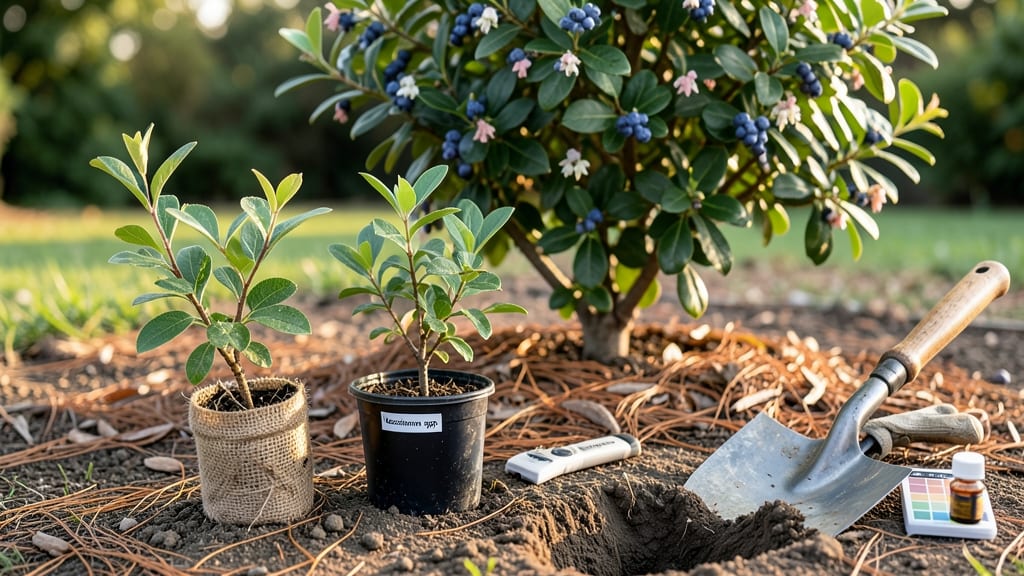
If you're dreaming of a backyard bursting with juicy 🫐 blueberries, planting them at the right time in New Jersey is the key to success. The wrong timing can leave your bushes struggling, but getting it right in USDA Zones 6-7 means years of sweet harvests just waiting for you.
New Jersey's climate offers two perfect windows for planting: late spring after the last frost or fall before winter sets in. Both seasons give your blueberries the best chance to establish strong roots before facing extreme temperatures.
For gardeners in the Garden State, this means planning around April 15 for spring or September-October for fall planting.
Why does timing matter so much? Blueberries need time to adjust before summer heat or winter cold hits. Plant too early, and frost can damage tender new growth. Too late, and your bushes won't have enough time to settle in before dormancy.
Let me show you exactly how to time it perfectly for your specific NJ microclimate.
From coastal breezes to inland heat, New Jersey's regions have different needs. We'll cover how to prepare your soil, choose the right varieties, and give your blueberries the care they need to thrive. Get ready to transform your garden into a blueberry paradise!
Best planting months for blueberries in NJ (Zone 6-7)
New Jersey’s USDA Zones 6-7 offer two perfect windows for planting blueberries: late spring and early fall. Each season brings unique advantages, but timing matters—plant too early, and frost may damage young roots. Too late, and your bushes won’t establish before winter dormancy.
The ideal planting window in NJ runs from late April to early June (after the last frost, typically around April 15) or September to October. Fall planting is often preferred because cooler temperatures reduce transplant shock, while spring planting aligns with the bush’s natural growth cycle.
Coastal NJ regions (like Cape May) have slightly earlier last frosts (mid-April), while inland areas (e.g., Sussex County) may see frost until May 1. Always check your local last frost date to avoid cold damage.
Blueberries thrive when planted in dormancy—either as bare-root plants in fall or container-grown bushes in spring. Fall planting (September-October) gives roots time to establish before winter, while spring planting (April-May) ensures active growth begins immediately.
🌱 NJ Blueberry Planting Comparison
| Season | Best Months | Soil Temp | Root Establishment | NJ Microclimate Notes |
|---|---|---|---|---|
| Spring | Late April–Early June | 50–60°F | Moderate (active growth) | Inland areas: Wait until May 1; Coastal: April 15 |
| Fall | September–October | 45–55°F | Excellent (dormant roots) | Best for inland zones; avoid late October |
💡 Pro Tip: Test soil temperature with a soil thermometer—ideal range is 50–60°F for spring, 45–55°F for fall.
If you miss the ideal windows, container planting extends your flexibility. Young bushes in pots can be planted anytime their roots aren’t frozen, making them a great option for late spring or early fall adjustments.
For coastal NJ gardens, prioritize fall planting to avoid summer heat stress. Inland areas benefit from spring planting to maximize the growing season before winter. Always choose bare-root plants in fall or container-grown bushes in spring for best results.
After planting, mulch heavily with pine needles or peat moss to retain acidity and moisture. This mimics their natural acidic forest floor habitat and protects roots during temperature swings.
🌿 Key Takeaway: NJ’s Zone 6-7 blueberries prefer fall dormancy planting (September-October) or spring active growth planting (April-May). Adjust for your microclimate—coastal areas plant earlier, while inland zones wait until after the last frost.
Best planting months for blueberries in NJ (Zone 6-7)
New Jersey’s USDA Zones 6-7 offer two prime windows for planting blueberries: late spring and early fall. Each season brings unique advantages, but timing matters—plant too early, and frost can damage young roots. Too late, and roots won’t establish before winter dormancy.
For spring planting, aim for late April to early June after the last frost date (typically mid-April in most of NJ). Coastal areas like Cape May may wait until May due to delayed warming. Inland regions like Trenton can plant slightly earlier, around late April.
Fall planting is often preferred because cooler temperatures reduce stress on roots. September to early October gives bushes time to root before winter. Avoid planting after mid-October, as new roots won’t harden before frost.
📅 NJ Blueberry Planting Timeline
| Season | Best Months | Soil Temp | Key Consideration |
|---|---|---|---|
| Spring | Late April–Early June | 50–60°F | After last frost; water deeply |
| Fall | September–Early October | 50–65°F | 6–8 weeks before frost; mulch heavily |
Microclimates in NJ play a role. Northern NJ (Zone 6a) should plant 1–2 weeks later than southern regions to avoid early frost damage. Coastal areas like Atlantic City benefit from warmer soil in spring, allowing earlier planting.
If you’re buying bare-root plants, they must be planted immediately upon arrival to prevent root desiccation. Container-grown bushes can wait 1–2 weeks longer, as their roots stay moist.
Pro tip: Test soil temperature before planting—ideal range is 50–65°F. Use a soil thermometer (available at garden centers) to avoid guesswork. Cooler soil speeds up root growth.