
Plants
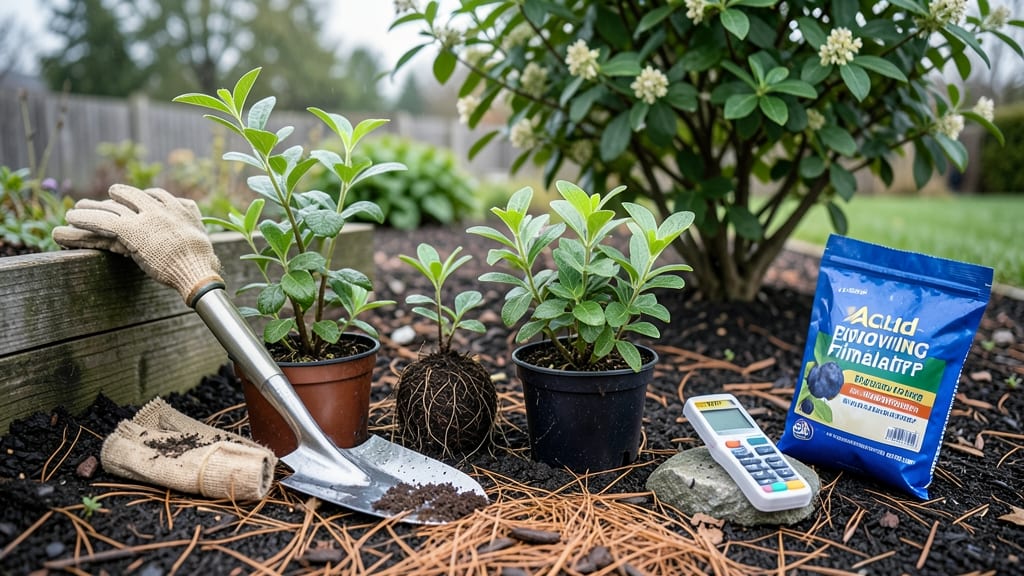
Best planting months for blueberries in Seattle’s frost-free zones 7b-9a
Seattle’s USDA Zones 7b-9a create a unique challenge for blueberry planting—cool, wet springs and unpredictable frosts demand precise timing. The ideal window is just after the last frost date (mid-March), when soil temperatures consistently stay above 40°F.
This typically lands in late March to early April, but microclimates like Puget Sound’s coastal areas may allow earlier planting.
Fall planting is possible but riskier in Seattle due to early frost threats. If you choose fall, aim for late September to early October—giving roots time to establish before winter. However, most Seattle gardeners prefer spring planting for better survival rates and faster establishment.
🌱
| Planting Window | Soil Temp Threshold | Seattle Microclimate Notes | Best Varieties for Zone 8a |
|---|---|---|---|
| Spring (Primary) | 40°F+ (consistent) | Puget Sound: 2-3 weeks earlier than Eastside | Duke, Elizabeth, Bluecrop |
| Fall (Secondary) | 50°F+ (before frost) | Eastside: Higher frost risk—plant by Oct 1 | Jersey, Patriot (cold-hardy) |
| Avoid | Below 32°F | All zones: Frost kills new roots—wait for warmth | None |
Seattle’s Puget Sound region (Zone 8a) often sees last frosts by March 15, while the Eastside (Zone 7b) may linger until April 1. Use local frost data from the University of Washington’s AgWeatherNet to fine-tune your timing.
For container-grown blueberries, you can plant 1-2 weeks earlier since they warm up faster.
Choose northern-highbush varieties like Duke or Bluecrop for Seattle—they thrive in cooler climates. Southern-highbush types (like Star or Premier) may struggle with late spring frosts.
Always check the USDA zone map for your exact neighborhood, as Seattle’s topography creates microclimates where frost dates vary by 10+ days.
If you’re in a windy coastal area (common near Bainbridge Island or Edmonds), plant blueberries near a windbreak like a fence or hedge. Wind desiccates young plants, and Seattle’s salty maritime breezes can further stress them.
Mulch heavily with pine needles or wood chips to protect roots from temperature swings.
Pro tip: Soak bare-root plants for 2-4 hours before planting to rehydrate roots. Seattle’s acidic, peaty soil (pH 4.5-5.5) is ideal, but urban areas often need amendments. Test your soil in late winter so you’re ready to adjust pH before planting season.
🌿
Remember that blueberries need 6+ hours of sun daily, so avoid shady spots. Seattle’s overcast skies mean you’ll need to supplement with reflective surfaces (like white walls) or choose southern exposures.
If your yard gets less than 5 hours of sun, consider container growing near a sunny window or patio.
Finally, space plants 4-6 feet apart to allow airflow—critical in Seattle’s humid climate. Crowded bushes invite fungal diseases like botrytis, which thrive in the region’s cool, damp conditions. With the right timing and prep, your blueberries will reward you with juicy, homegrown berries by mid-summer!
Best planting months for blueberries in Seattle’s frost-free zones 7b-9a
Seattle’s USDA Zones 7b-9a mean blueberries need precise timing to thrive. Planting too early risks late frosts (common until mid-March), while waiting too late delays root establishment. The ideal window is March through early April, after the last frost and when soil warms to 40°F+.
For fall planting, aim for September to early October—enough time for roots to establish before winter. However, Seattle’s unpredictable rain and wind make fall planting riskier than spring. Microclimates matter: Puget Sound areas (like West Seattle) have milder winters, while the Eastside (like Bellevue) can see earlier frosts.
| Season | Best Months | Soil Temp | Key Consideration |
|---|---|---|---|
| Spring | March–April | 40°F+ | Avoid late frosts; ideal for root growth |
| Fall | September–Early October | 50°F+ | Riskier due to rain/wind; best for established plants |
Choose Northern Highbush varieties like 'Duke' or 'Elizabeth' for Seattle’s climate—they handle cooler temps better than Southern Highbush types. Dwarf varieties (like 'Top Hat') are perfect for urban gardens with limited space.
Always check your specific microclimate: windbreaks (like fences or hedges) are crucial near exposed areas like Alki Beach.
Seattle’s acidic rain helps maintain soil pH, but urban soils often need extra peat moss or pine needles to reach the ideal 4.5–5.5 pH. Test your soil before planting—most Seattle yards lean alkaline (6.5–7.5) due to limestone bedrock.
Amend with sulfur or acidic compost 2–3 months before planting for best results.
Pro tip: Plant on a cloudy day to reduce transplant shock. Water deeply after planting, then mulch with pine bark to retain moisture and acidify the soil over time. Avoid planting near walnut trees—their roots release juglone, which stunts blueberry growth.
Timing isn’t just about months—it’s about soil readiness. Use a soil thermometer to confirm 40°F+ before planting. In Seattle’s Zone 8a, this usually aligns with late March to early April, but always monitor local forecasts for frost warnings.