
Plants
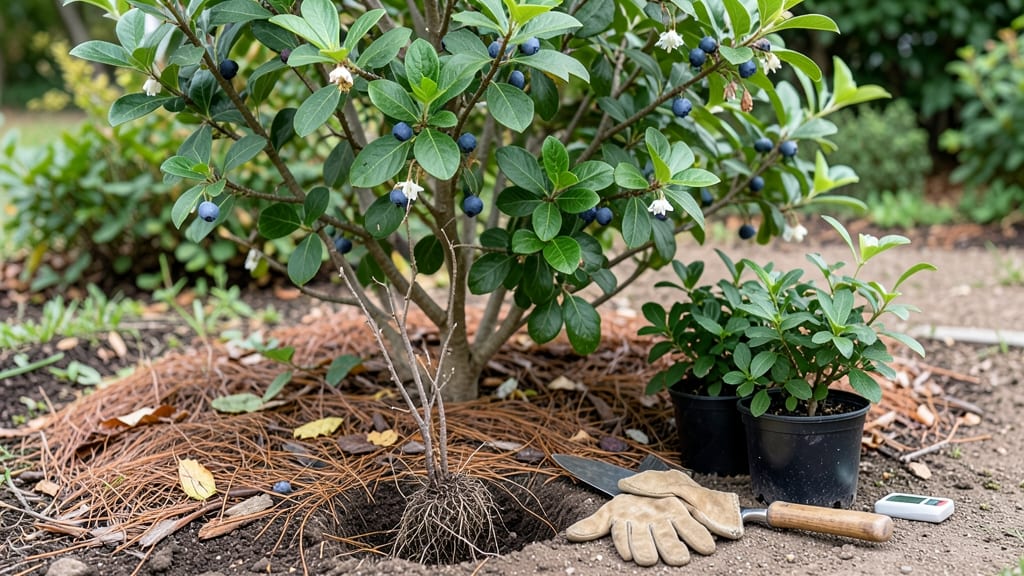
Timing your blueberry planting in Zone 6 isn’t just about picking a month—it’s about catching that sweet spot between frost risk and soil warmth. Miss it, and your 🫐 bushes might struggle to take root or get zapped by late frosts. I’ve learned the hard way that planting too early can mean wasted effort, while waiting too long might stunt growth before summer’s heat kicks in.
The ideal window opens in early spring (March–April), once the ground thaws and temperatures consistently stay above 50°F. This gives roots time to establish before the growing season ramps up.
But here’s the catch: Zone 6’s unpredictable frosts mean you’ve got to pay attention to local trends—not just a calendar. Fall planting (September–October) is also an option if your microclimate stays mild, but it requires extra care to protect young plants.
Beyond dates, soil prep is the key to success. Blueberries crave acidic soil (pH 4.5–5.5) and rich organic matter. I’ll show you how to test your soil’s readiness—because even the best timing won’t help if the foundation isn’t right.
Plus, we’ll cover whether to go bare-root or container-grown, and how mulching can give your bushes a head start in their first critical weeks.
Ready to avoid the common pitfalls? Let’s break down the exact signals your Zone 6 garden gives you—from soil temperature clues to the best time to dig in. Your future harvest of juicy, homegrown blueberries starts with these simple but critical steps.
Zone 6 blueberry planting timeline: exact months & temperature triggers
Blueberries thrive in Zone 6 when planted during two key windows: early spring (March–April) and fall (September–October). The difference? Spring planting gives roots time to establish before summer heat, while fall planting leverages cooler temps for root growth before dormancy.
Both require soil temperatures above 50°F and frost-free conditions—critical for young roots.
In Zone 6, the last average frost date is around April 15, but microclimates (like sheltered valleys) can delay frost by 2–3 weeks. Use your local USDA Plant Hardiness Zone Map to pinpoint your exact window.
For example, Zone 6a (colder end) may wait until late April, while Zone 6b (warmer) can start in early March.
Fall planting is riskier in Zone 6 due to early frosts, but it works if you plant 6–8 weeks before the first frost (typically mid-September).
This gives roots time to establish before winter. Bare-root blueberries planted in fall often outperform container-grown ones because they adapt better to soil conditions before dormancy.
Here’s the golden rule: Plant when the ground is workable but not waterlogged. Press your finger into the soil—if it crumbles easily, it’s ready. Avoid planting when soil is frozen, muddy, or bone-dry, as these conditions stress young plants.
🌱
| Planting Window | Soil Temp | Frost Risk | Best For |
|---|---|---|---|
| Early Spring (March–April) | 50°F+ | Low (after last frost) | Bare-root plants, fast root growth |
| Fall (September–October) | 50°F+ | Moderate (6+ weeks before frost) | Container plants, mild microclimates |
| Avoid | Below 40°F | High (frost likely) | Summer (heat stress), winter (frozen soil) |
If you’re planting in late spring (May), opt for container-grown blueberries—they handle heat better than bare-root starts. For fall planting, prioritize northern-facing slopes or sheltered spots to delay frost exposure. Mulch heavily with pine needles or wood chips (3–4 inches) to insulate roots during winter.
Zone 6 gardeners often ask: Can I plant blueberries in summer? The short answer is no—summer heat stresses young plants, and roots struggle to establish. If you miss spring/fall windows, wait until next year. Patience here pays off with healthier bushes and bigger harvests.
For container planting, the timeline shifts slightly: Plant in late spring (May) when soil warms, but ensure pots have drainage holes and use acidic potting mix (pH 4.5–5.5). Containers dry out faster, so monitor soil moisture closely—blueberries hate soggy roots but also wilt in drought.
🌿
One common mistake in Zone 6 is assuming "early spring" means February. Don’t plant until soil temperatures consistently stay above 50°F—even if calendar says spring.
Use a soil thermometer ($10 at garden centers) or the "barefoot test" (if you can stand on the soil for 10 seconds without discomfort, it’s ready).
Finally, pair your planting with soil prep: Blueberries need acidic soil (pH 4.5–5.5). Test your soil 2–3 weeks before planting and amend with sulfur or peat moss if needed. A simple DIY pH test (vinegar + baking soda) can save you from costly mistakes.
Zone 6 blueberry planting timeline: exact months & temperature triggers
In Zone 6, blueberry planting success hinges on two critical factors: last frost dates and soil temperature. While most gardeners aim for March–April, the exact timing depends on your local microclimate.
For example, areas like Chicago typically see their last frost around April 15, while Raleigh may warm up a week earlier. Planting too soon risks frost damage, but waiting too long delays root establishment.
Your best bet is to plant when soil temperatures reach a steady 50°F+—this triggers root growth. Use a soil thermometer (or the "finger test": push your finger 3 inches deep; if the soil feels warm, it’s ready).
In fall planting (September–October), young bushes need protection from early frosts, but the cooler temps help roots settle before winter dormancy.
Here’s the Zone 6 blueberry planting timeline broken down by month, including key triggers to watch for:
| Month | Ideal Planting Window | Soil Temp Threshold | Key Trigger |
|---|---|---|---|
| March | Late March (after last frost) | 45°F+ (consistent) | Daffodils blooming |
| April | Early–mid April | 50°F+ | Frog calls at dusk |
| September | Early September (fall) | 60°F+ (daytime) | Goldenrod in bloom |
| October | Early October (mild zones) | 55°F+ | No hard frost forecast |
For bare-root blueberries, spring planting is ideal—roots wake up faster in warm soil. If you opt for container-grown bushes, you can plant slightly later (up to May), as their roots are already established. Just ensure they’re well-watered for the first 2 weeks to reduce transplant shock.
Pro tip: Check your local cooperative extension service for hyper-local frost data. For example, Pittsburgh’s last frost often lags behind Cincinnati’s by 10 days. Microclimates near lakes or hills can also shift your planting window by weeks—so observe your garden’s unique patterns.
Once you’ve nailed the timing, focus on soil prep. Blueberries demand acidic soil (pH 4.5–5.5), so test your soil 2–3 weeks before planting. If it’s too alkaline, amend with peat moss or sulfur.
A 3-inch layer of mulch (pine needles or wood chips) after planting locks in moisture and mimics their natural forest-floor habitat.