
Plants
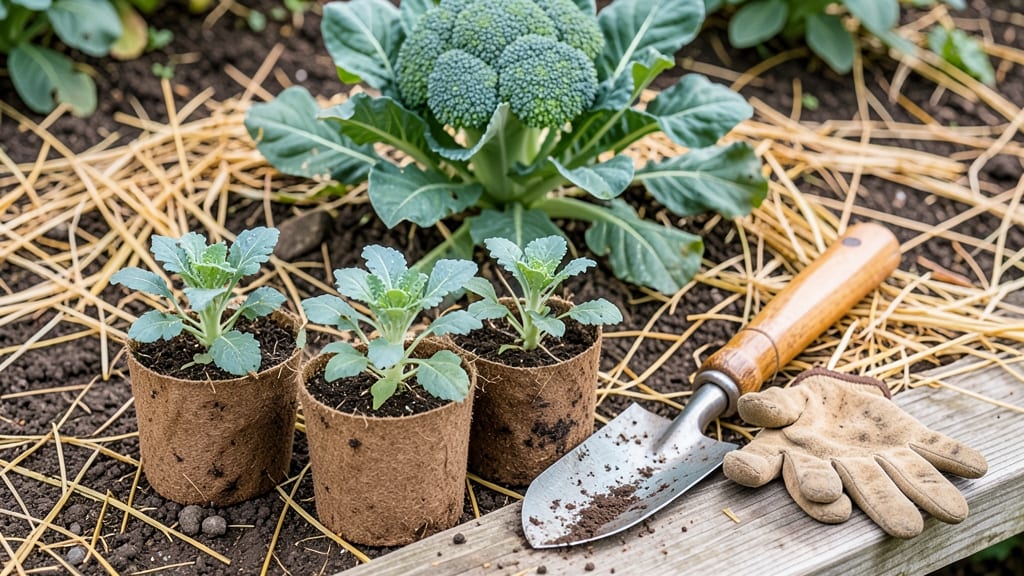
Timing your 🥦 broccoli planting in Washington State isn’t just about following a calendar—it’s about outsmarting the region’s wild climate swings. Plant too early in the Pacific Northwest’s damp chill, and you’ll end up with bitter, bolting heads.
Wait too long in Eastern WA’s dry heat, and frost will steal your harvest before you even taste success.
Here’s the game-changer: Washington’s microclimates can shift planting deadlines by 6+ weeks from Seattle to Spokane. Whether you’re in the frost-prone Puget Sound or the sunbaked Columbia Basin, I’ll break down the exact windows—spring and fall—for zero-bolt perfection, plus how to adjust for your specific corner of the state.
You’ll discover when to start seeds indoors (yes, it matters!) versus direct-sowing outdoors, and how to stretch your harvest through fall’s first frost. No more guessing—just science-backed dates tailored to your garden’s unique conditions.
Ready to grow broccoli that’s sweet, tender, and abundant? Let’s dive into the precise planting schedule that’ll make your WA garden the talk of the neighborhood.
Washington State broccoli planting zones: exact dates by microclimate
Washington State’s microclimates create dramatic differences in broccoli planting success. Coastal areas like Seattle enjoy longer growing seasons, while inland valleys like the Columbia Basin face earlier frosts. To avoid bolting (when broccoli flowers prematurely) or frost damage, I’ve broken down the optimal planting windows for WA’s five distinct zones.
For all regions, broccoli thrives with 40-60 frost-free days to maturity. Spring plantings should happen 4-6 weeks before your area’s last frost date, while fall plantings need 80-100 days before first frost. Let’s dive into the specifics for each zone to ensure your broccoli heads stay tight and delicious.
🌱
| Zone | Last Frost Date | First Frost Date | Spring Planting Window | Fall Planting Window |
|---|---|---|---|---|
| Western WA (Seattle, Olympia) | March 15 - April 1 | October 15 - November 1 | March 1 - April 15 | August 1 - September 15 |
| Puget Sound (Tacoma, Bellingham) | March 20 - April 5 | October 10 - October 30 | March 10 - April 20 | July 30 - September 10 |
| Eastern WA (Spokane, Wenatchee) | April 15 - May 1 | September 15 - October 15 | April 1 - May 10 | July 1 - August 15 |
| Columbia Basin (Pasco, Yakima) | April 20 - May 5 | September 1 - September 15 | April 10 - May 15 | June 20 - July 30 |
| Palouse (Pullman, Moses Lake) | May 1 - May 15 | August 30 - September 10 | April 20 - May 5 | June 10 - July 15 |
In Western WA, where mild winters prevail, you can even push the envelope with late-winter plantings (February) for early spring harvests. The Puget Sound region benefits from maritime influence, giving you an extra 2-3 weeks of growing season compared to inland areas.
Meanwhile, Eastern WA and the Columbia Basin demand earlier starts to avoid summer heat stress.
For high-altitude areas like the Cascade foothills, adjust your planting dates 1-2 weeks later than the nearest lowland zone. For example, if you’re gardening in Leavenworth (elevation 1,600 ft), follow Eastern WA guidelines but plant 10-14 days after the suggested dates to account for cooler nights.
🌡️
Soil temperature is another critical factor. Broccoli seeds need soil temps above 40°F to germinate, but ideal growth occurs between 60-75°F. In cooler zones like the Palouse, wait until soil warms to at least 50°F before direct sowing.
Use a soil thermometer to check—it’s a small investment that prevents wasted seeds.
Pro tip: If your spring planting window feels too tight, start seeds indoors 6-8 weeks before the last frost date. This
How to adjust planting times for your specific washington location
Washington State’s microclimates can shift broccoli planting windows by 4-6 weeks depending on where you live. For example, Seattle’s coastal fog keeps soil cooler longer than Spokane’s inland heat, while high-altitude areas like the Cascade foothills experience earlier frosts.
Adjust your schedule based on these key factors to avoid bolting or frost damage.
Start by checking your local last-frost date—not the average for your ZIP code. Urban heat islands (like Seattle’s downtown) can delay frost by 1-2 weeks compared to rural areas.
Use the USDA Plant Hardiness Zone Map (Zones 7b-9a in WA) as a baseline, then fine-tune with real-time data from NOAA’s Frost Prediction Tool.
For coastal regions (e.g., Olympia, Bellingham), plant broccoli 2-3 weeks earlier than inland areas. The Pacific Ocean’s moderating effect means your soil stays cooler, giving you a longer growing season.
In contrast, inland valleys (like the Columbia Basin) often see hotter summers, so opt for heat-tolerant varieties and plant in late summer for fall harvests.
🌱 Key Adjustments by Location
- 📍 Coastal (Seattle, Bellingham): Plant March 1–April 15 for spring; August 15–September 1 for fall. Use row covers in early spring to protect from wind and chill.
- 📍 Puget Sound (Tacoma, Everett): Follow coastal guidelines but add 1 week to inland planting windows due to urban heat pockets.
- 📍 Eastern WA (Spokane, Wenatchee): Plant April 15–May 1 for spring; July 15–August 1 for fall. Prioritize shade cloth in summer to prevent bolting.
- 📍 High Altitude (Cascade Foothills): Adjust planting dates 2 weeks earlier than valley floors (e.g., plant by March 15 in Zone 7b). Monitor soil temperature—broccoli needs 40°F+ to germinate.
- 📍 Columbia Basin (Yakima, Pasco): Plant heat-tolerant varieties like 'De Cicco' in late summer (August) for fall harvests. Use drip irrigation to manage drought stress.
Elevation plays a critical role in WA’s planting zones. For every 1,000 feet above sea level, adjust your planting date 3–5 days earlier. For example, if you’re gardening in Leavenworth (3,000 ft), plant broccoli by March 1 instead of March 15.
Use a soil thermometer to confirm 40°F+ soil temps before sowing—cold soil delays germination and invites damping-off disease.
Urban gardeners in concrete-heavy areas (like Seattle’s Capitol Hill) may experience microclimate heat islands, where soil stays 5–10°F warmer than surrounding areas. If your garden is in full sun with dark mulch, start seeds 1 week later than the recommended date to avoid premature bolting.
Conversely, shady urban courtyards might need earlier planting to compensate for cooler temps.
Pro tip: Track your garden’s personal frost dates for 2–3 years to create a custom planting calendar. Note when unexpected late frosts occur (common in WA’s variable spring weather) and adjust accordingly.
For example, if your Seattle garden gets frost in mid-May when the average is mid-April, shift your fall planting to late July instead of August.