
Plants
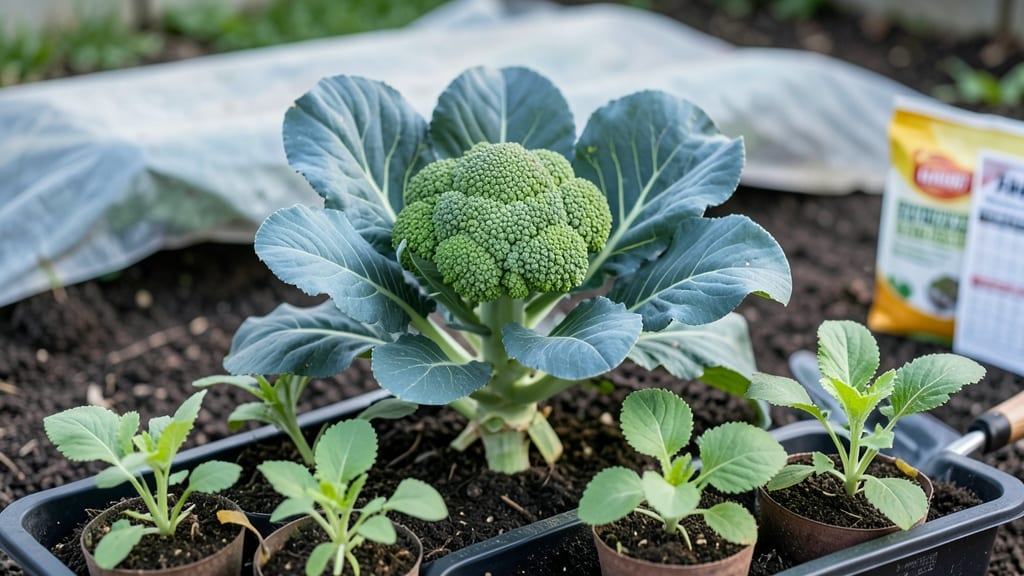
Knowing when to plant broccoli in Wisconsin can mean the difference between a bountiful harvest and a garden full of frost-nipped dreams. With USDA Zone 4a-6b weather that swings between icy winters and unpredictable springs, timing is everything for growing this cool-weather crop.
Most gardeners in Wisconsin swear by two planting windows: mid-April to early May for spring and late July to early August for fall. But here's the catch—broccoli 🥦 thrives when planted 4-6 weeks before your last frost date, which can vary wildly across the state.
Get it wrong, and you might end up with stunted plants or bolting heads.
In this guide, I’ll break down the exact planting schedule for your region, plus pro tips to protect your broccoli from Wisconsin’s infamous late frosts. Whether you’re a first-time gardener or a seasoned green thumb, these strategies will help you grow bold, flavorful heads from July through November.
Ready to turn your garden into a broccoli powerhouse? Let’s dive into the science—and the secrets—of Wisconsin’s perfect planting times.
Wisconsin broccoli planting calendar: frost dates by region
Wisconsin’s USDA Zones 4a-6b mean your last spring frost can swing wildly—from late April in Milwaukee to mid-May in Green Bay. Timing your broccoli planting correctly ensures those bold, flavorful heads make it to harvest before frost strikes again.
Let’s break it down by region so you can plant with confidence.
For spring planting, aim to sow seeds 4-6 weeks before your last frost date. This gives seedlings enough time to establish roots before warm soil temperatures kick in. In fall, plant 100-130 days before the first frost to guarantee mature harvests before winter sets in.
Wisconsin’s first frost typically arrives between October 10 and November 1, depending on your location.
| Region | Last Spring Frost (Avg.) | First Fall Frost (Avg.) | Spring Planting Window | Fall Planting Window |
|---|---|---|---|---|
| Milwaukee | April 25 - May 5 | October 15 - 25 | March 25 - April 15 | July 15 - August 5 |
| Madison | May 1 - 10 | October 10 - 20 | April 1 - May 1 | July 10 - August 1 |
| Green Bay | May 5 - 15 | October 5 - 15 | April 10 - May 5 | July 5 - July 25 |
| Eau Claire | May 1 - 10 | October 10 - 20 | April 1 - May 1 | July 10 - August 1 |
| La Crosse | May 10 - 20 | October 5 - 15 | April 15 - May 5 | July 5 - July 20 |
If you’re planting transplants instead of seeds, adjust your timeline by 2-3 weeks earlier. Transplants need time to recover from transplant shock before they can focus on head formation.
For northern Wisconsin (e.g., Green Bay, Eau Claire), err on the side of later spring plantings—these areas have shorter growing seasons and benefit from a slower start.
For fall harvests, focus on late July to early August plantings. This gives broccoli 100-130 days to mature before frost.
In southern Wisconsin (e.g., Milwaukee, Madison), you might squeeze in a second fall planting in early August for a late-October harvest, but this is riskier due to earlier frost dates.
Pro tip: Use frost-free date calculators like the Old Farmer’s Almanac or your local UW-Extension office for hyper-localized advice. These tools account for microclimates (e.g., urban heat islands, lake-effect cooling) that can shift frost dates by 1-2 weeks.
Don’t forget to harden off seedlings for 7-10 days before transplanting. This toughens them up for Wisconsin’s unpredictable spring weather, including late frosts that can nip young plants. A row cover or cloche can buy you an extra 2-4 weeks of growing time in early spring or late fall.
For container gardening, start seeds indoors 6-8 weeks before your last frost and move pots outside after the soil warms to 45°F. Containers warm up faster than garden beds, so monitor root development closely—broccoli roots
How to extend Wisconsin’s broccoli growing season for fall harvests
Wisconsin’s short growing season doesn’t have to limit your broccoli harvest—with the right techniques, you can push your fall crops into October or November. The key lies in extending the season while protecting tender plants from early frosts.
Start by choosing cold-hardy varieties like 'Waltham 29' or 'De Cicco', which tolerate light frosts better than standard types.
For a 10-14 day head start, use black plastic mulch or straw mulch to warm the soil before planting. Lay the mulch down in late July, then sow seeds directly into the warmed beds.
This simple trick can jumpstart growth and help plants mature faster before cooler weather sets in.
🌱
✅ Proven Fall Extension Techniques
Don’t overlook the power of succession planting—this is your secret weapon for a longer harvest window. By sowing seeds in 2-week intervals, you’ll have broccoli ready to pick at different times, ensuring a steady supply.
Pair this with row covers (like Reemay fabric), and you can shield plants from 25°F temperatures without stunting growth.
For the hardiest approach, try container growing. Move pots into a garage or shed during cold snaps, then return them to sunlight when temps rise. This method works especially well for dwarf varieties like 'Calabrese' and lets you control the environment completely.
Timing is everything—aim to have your fall broccoli mature by mid-October to avoid bolting (flowering prematurely). Use a gardening calendar or local frost date guide to calculate your 100-130 day varieties backward from the first frost date.
For example, if your area frosts by October 15th, plant by late July.
With these techniques, you’ll turn Wisconsin’s cool autumns into a broccoli bonanza, enjoying homegrown harvests long after summer gardens fade. Just remember: protect, warm, and plan ahead—your future self (and taste buds) will thank you! 🌿