
Plants
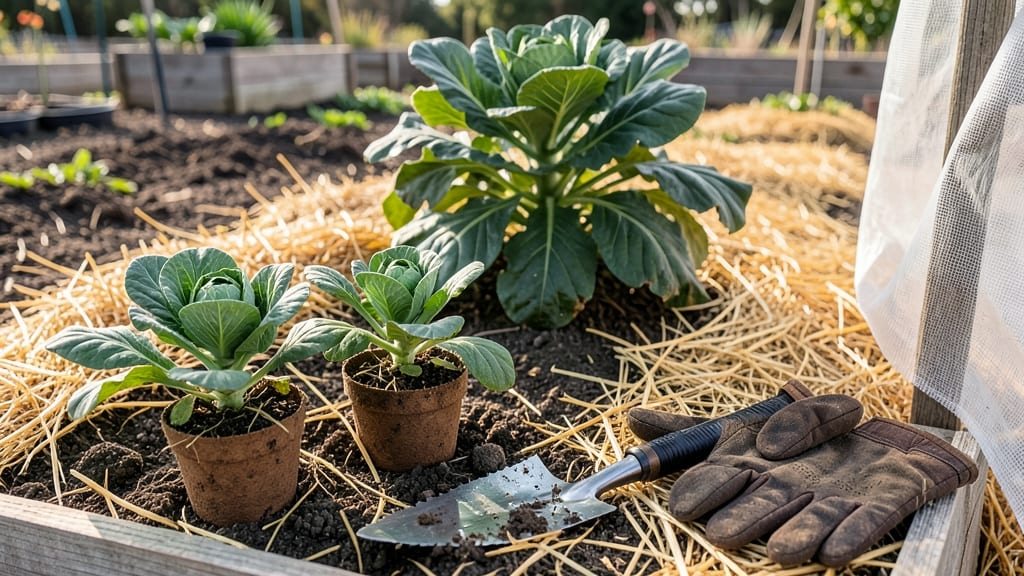
Timing is everything when it comes to growing 🥦 brussel sprouts in Colorado—plant too early, and you risk bitter-tasting harvests; too late, and frost will steal your crop before it matures.
With Colorado's USDA zones 5-8 and dramatic temperature swings, knowing the exact window to plant can mean the difference between a thriving garden and a disappointing one.
Most gardeners in Colorado swear by two planting seasons: spring and fall. For spring planting, aim for late March to early May, giving your sprouts enough time to mature before the first frost hits in October.
Meanwhile, fall planting should happen between late July and early August to ensure a harvest before winter sets in.
But here's the catch: Colorado's microclimates vary wildly—Denver's 5b-6a zone might have a different frost date than Colorado Springs' 6a. I’ll break down the best planting schedule for your specific region, so you can avoid common mistakes and maximize your yield.
Ready to grow sweeter, heartier brussel sprouts? Let’s dive into the exact steps to time your planting perfectly—whether you're starting from seedlings or transplants—and keep your garden thriving all season long.
Best planting windows for Brussel sprouts in Colorado’s climate zones
Colorado’s diverse climate means your Brussel sprout planting schedule should account for elevation, frost dates, and microclimates. Whether you're in the Front Range, Western Slope, or Eastern Plains, timing is everything for sweet, flavorful harvests.
The key to success lies in planting 8-10 weeks before the first frost for fall harvests or late March to early May for spring crops. Colorado’s USDA Zones 5-8 create unique windows—Denver’s Zone 5b-6a demands earlier starts than Grand Junction’s Zone 7.
For spring planting, aim for late March to early May when soil temps reach 45°F (7°C). Fall plantings should begin late July to early August to mature before winter. Higher elevations (10,000+ ft) may need adjustments—plant 2-3 weeks later than lower areas.
Here’s how Colorado’s regions differ in critical planting windows:
| Region | Spring Planting Window | Fall Planting Window | Last Frost Date | First Frost Date |
|---|---|---|---|---|
| Front Range (Denver, Boulder) | Late March - Early May | Late July - Early August | April 15 | October 15 |
| Western Slope (Grand Junction, Durango) | Early April - Mid-May | Mid-August - Late August | April 30 | October 30 |
| Eastern Plains (Pueblo, Colorado Springs) | Late March - Early May | Late July - Early August | April 20 | October 10 |
| High Elevation (10,000+ ft) | Early May - Mid-June | Late August - Early September | May 15 | September 15 |
Soil temperature is critical—Brussel sprouts won’t germinate well below 45°F (7°C). Use a soil thermometer to confirm readiness, especially in high-elevation areas where cooler temps linger. For spring plantings, wait until the ground warms to 50°F (10°C) for optimal growth.
Transplanting seedlings (not seeds) is easier for Colorado gardeners. Start seeds indoors 6-8 weeks before your last frost date, then move them outdoors after hardening off. This method gives you a head start in shorter growing seasons.
For fall harvests, plant 8-10 weeks before the first frost. In Denver, this means late July to early August plantings will yield sprouts by October-November. Use cold-hardy varieties like ‘Long Island Improved’ or ‘Ruby Ball’ for extended harvests.
Microclimates matter—south-facing slopes warm faster than north-facing gardens. If your yard has uneven sun exposure, prioritize planting in the warmest spots. Mulch with straw or leaves to retain heat and moisture during Colorado’s dry spells.
Always check your local CoCoRaHS frost dates or Colorado State University Extension resources for updates. A 2-3 week buffer accounts for unexpected early frosts, especially in high-altitude gardens.
With the right timing, you’ll enjoy sweet, homegrown Brussels sprouts from October through December, even in Colorado’s challenging climate. 🌱
Best planting windows for Brussel sprouts in Colorado’s climate zones
Colorado’s diverse climate zones—from the Front Range to the Western Slope—create distinct planting windows for Brussel sprouts. Timing is critical: plant too early, and seedlings bolt; too late, and harvests shrink before frost. Let’s break down the perfect schedule for your region.
Most Colorado gardeners target two planting windows: spring and fall. Spring plantings yield harvests from October to December, while fall plantings extend into January. The key? Soil temperatures above 40°F and frost-free days of at least 90 days to maturity.
Here’s how to adapt planting times based on your USDA Zone and microclimate. Use these guidelines to avoid common pitfalls like stunted growth or bitter flavors from heat stress.
Colorado Planting Windows by Region
| Region | USDA Zone | Spring Planting Window | Fall Planting Window | First Frost Date |
|---|---|---|---|---|
| Front Range (Denver, Boulder) | 5b-6a | Late March–early May | Late July–early August | Mid-October |
| Western Slope (Grand Junction, Aspen) | 6a-7a | Early April–mid-May | Mid-August–early September | Late October |
| Eastern Plains (Pueblo, Lamar) | 5a-5b | Mid-April–early June | Early August–mid-September | Early October |
| High Elevations (above 8,000 ft) | 4a-5a | May–early June | Late July–early August | Late September |
*Adjust dates 1-2 weeks earlier for lower elevations or later for high-altitude gardens.
For spring plantings, aim to transplant seedlings 8-10 weeks before the first frost. In Denver (Zone 5b), that’s typically by May 1. Start seeds indoors 6-8 weeks earlier to give them a head start.
Fall plantings should go in 10-12 weeks before frost, so in Colorado Springs (Zone 6a), that’s around July 15.
Pro tip: Use row covers or cold frames to extend your fall harvest into December. These tools add 4-6°F of protection, shielding sprouts from early frosts. Just remove covers during the day to prevent overheating.
Remember, soil temperature matters more than air temperature. Use a soil thermometer to confirm it’s at least 50°F before planting. Cool, moist soil prevents bolting and encourages even growth.