
Plants
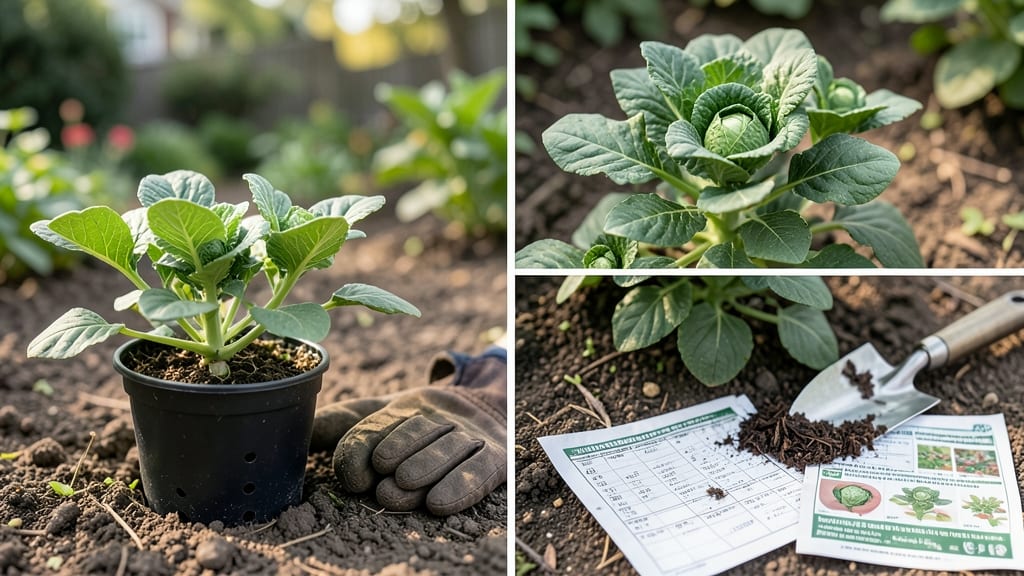
Timing your Brussel sprouts 🥦 planting in Illinois isn't just about throwing seeds in the dirt—it's the difference between a garden full of sweet, tender sprouts and one full of bitter, stunted plants. The key? Understanding your local frost dates and working with Illinois' cool climate instead of against it.
Most gardeners in USDA zones 5-6 make one critical mistake: planting too late in spring or too early in fall. I've seen firsthand how a 2-week shift in timing can turn a great harvest into a disappointment.
But here's the good news—once you master the frost-date hack, you'll consistently grow Brussels that are sweeter, bigger, and ready to harvest just as the weather turns crisp.
Whether you're a first-time gardener or a seasoned green thumb, this guide will show you exactly when to plant for both spring and fall crops.
We'll cover the ideal windows (mid-April to early June or late July to early August), how to prepare your soil, and why fall plantings often outperform spring ones in Illinois' climate.
Ready to transform your garden? Let's dive into the step-by-step strategy that will have you harvesting Brussels from October through December—just in time for your favorite holiday meals.
Illinois frost dates for Brussel sprouts: planting windows explained
Illinois gardeners know timing is everything when growing Brussel sprouts. These cool-weather crops thrive in USDA zones 5–6, but planting too early or late can lead to bitter flavors or failed harvests.
The key lies in understanding your frost dates, which vary across Illinois’ northern and southern regions.
Northern Illinois (e.g., Chicago, USDA zone 5) typically sees its last frost between late April and early May, while southern Illinois (e.g., St. Louis, USDA zone 6) warms up 1–2 weeks earlier.
Conversely, the first frost arrives in northern areas by mid-October, pushing southern regions to hold off until late October or early November.
Here’s how these dates shape your planting windows: Spring plantings should start 4–6 weeks after your last frost, while fall plantings need 90–120 days before the first frost to mature. Miss these timelines, and you’ll either face stunted growth or bolting (premature flowering).
🌱
| Region | Last Frost | First Frost | Spring Planting Window | Fall Planting Window |
|---|---|---|---|---|
| Northern IL (Zone 5) | Late April–Early May | Mid-October | Mid-May to early June | Late July to early August |
| Southern IL (Zone 6) | Early April–Mid-April | Late October–Early November | Early April to early May | Late July to mid-August |
For spring plantings, aim to sow seeds 4–6 weeks before your last frost—typically early April in southern Illinois and mid-April in the north. This gives seedlings time to establish roots before summer heat arrives.
In contrast, fall plantings should start late July to early August, ensuring sprouts mature before frost sweeten their flavor.
Pro tip: Use row covers or cold frames to extend your growing season by 2–4 weeks in both spring and fall. This is especially useful in northern Illinois, where frosts arrive earlier. Just remove covers during the day to prevent overheating.
Soil temperature also plays a role. Brussel sprouts germinate best in soil that’s at least 40°F (4°C). In Illinois, this usually aligns with late March to early April in southern regions and mid-April in the north. Use a soil thermometer to confirm—cold soil delays germination and weakens seedlings.
If you’re unsure about your exact frost dates, check the National Weather Service or local Cooperative Extension Service for your county’s historical data. Many Illinois gardeners also rely on Almanac frost date calculators for precise timing.
With these tools, you’ll avoid the #1 mistake: planting too late in spring and risking bolting.
🌿
How to time your planting for maximum yield in Illinois
Timing is everything when growing Brussel sprouts in Illinois. These cool-weather crops need 90–120 frost-free days to mature, so planting too early or late can ruin your harvest. I’ve learned that fall plantings often outperform spring ones—here’s how to nail your schedule.
Start by calculating your last frost date (typically mid-April in northern Illinois, early May in the south). For a fall harvest, plant 4–6 weeks before the first expected frost. In Illinois, this means late July to early August for most regions.
For spring plantings, aim for mid-April to early June—but beware of summer bolting. If you plant too late, your sprouts may flower prematurely. Use shade cloth in July if temperatures climb above 80°F.
🌱Pro Tip: Check soil temperatures—Brussel sprouts thrive when soil is 45–85°F. Use a soil thermometer to confirm readiness before planting.
- Step 1: Plant fall crops in late July–early August for a October–December harvest.
- Step 2: For spring harvests, sow seeds in mid-April–early June and use shade cloth if needed.
- Step 3: Space plants 18–24 inches apart—they’ll grow 2–3 feet tall!
- Step 4: Mulch with straw or leaves to protect roots from late-season frosts.
- Step 5: Harvest from the bottom up when sprouts reach 1–1.5 inches.
Don’t forget to harden off seedlings before transplanting. Acclimate them to outdoor conditions over 5–7 days to avoid shock. I’ve seen seedlings wilt dramatically when rushed—take your time!
💡Key Insight: Illinois gardeners often get better yields from fall plantings because the cooler weather prevents bitterness and bolting.
If you’re in USDA Zone 5 (northern Illinois), err on the side of earlier fall plantings—the growing season is shorter. Zone 6 gardeners (southern Illinois) have more flexibility but should still avoid late July plantings.