
Plants
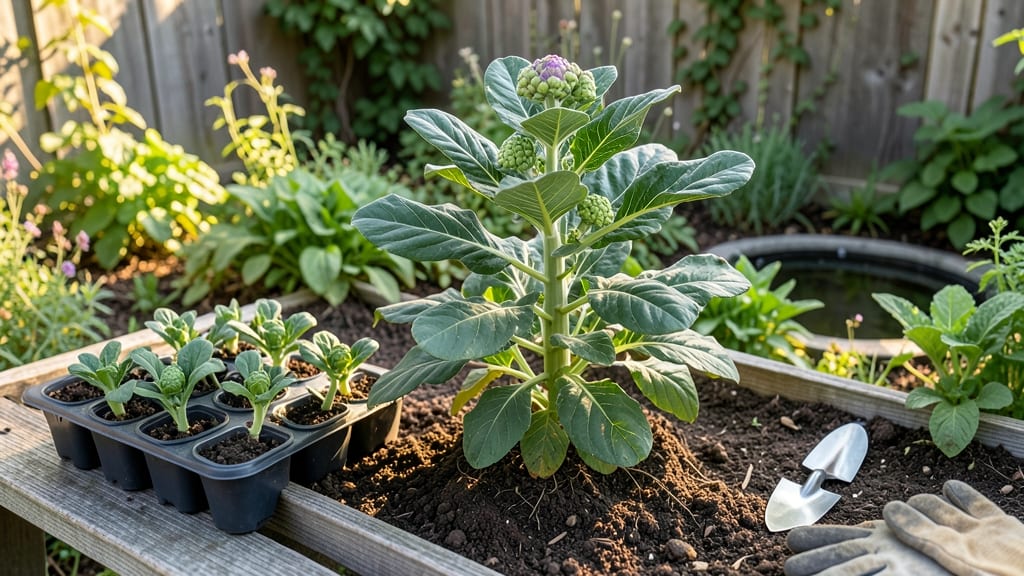
Planting Brussel sprouts 🥦 in Southern California might seem tricky—after all, the mild winters can throw off your timing if you're used to colder climates.
But here's the secret: the perfect window isn't just about avoiding frost (which is rare here) but about giving your plants the ideal balance of cool weather and daylight to thrive.
Most gardeners swear by fall planting between September and October, when temperatures start to dip and days grow shorter. This timing lets your Brussel sprouts mature just as winter approaches, ensuring sweet, tender sprouts by December.
But don't overlook the spring option either—February and March can also work if you're planting for a summer harvest.
What makes Southern California unique? Unlike northern states, you don't have to worry about killing frosts ruining your crop. Instead, focus on soil temperatures (aim for 55-65°F) and regional microclimates—coastal areas stay milder longer than inland spots.
With the right approach, you can enjoy a reliable harvest whether you're in LA or San Diego.
Ready to grow your best crop yet? I'll walk you through exactly how to time your planting for maximum success, including variety choices and weather adjustments that work for our 9b-10a climate. Let's get those Brussel sprouts in the ground the right way!
Best planting months for Brussel sprouts in Southern California’s microclimates
Southern California’s diverse climate—from coastal chill to inland heat—means Brussel sprouts thrive in different windows depending on your location. Unlike northern climates, we don’t need to worry about frost dates, but soil temperature and heat stress are critical factors.
The ideal planting months are September-October for fall harvests and February-March for spring crops, with adjustments needed for coastal vs. inland zones.
Coastal areas like Santa Barbara and San Diego enjoy milder winters, allowing for earlier fall plantings (as early as August) and extended harvests into February.
Inland regions like Los Angeles and the Inland Empire should wait until late September to avoid summer heat, while desert zones (e.g., Palm Springs) may only succeed with winter plantings (February-March).
Soil temperature is your best guide: Brussel sprouts need 55-65°F soil to germinate. Use a soil thermometer to confirm—cooler coastal soils hit this range earlier than inland areas.
If your soil is too warm (75°F+), germination slows or fails entirely. Morning shade cloth can help lower soil temps in summer plantings.
Here’s how Southern California’s microclimates break down for planting:
For direct sowing, scatter seeds ½ inch deep and 1 inch apart in rows 2 feet apart. Thin seedlings to 18 inches apart once they’re 4 inches tall—this prevents overcrowding and disease spread.
If starting indoors, sow 6-8 weeks before transplanting (e.g., July for fall crops or January for spring).
Transplant seedlings on overcast days or late afternoon to reduce transplant shock. Harden off seedlings for 7–10 days before moving them outdoors by gradually exposing them to sun and wind.
Water deeply the day before transplanting to reduce stress. In coastal areas, watch for slugs and snails—they love young seedlings!
One common mistake is planting too late in fall, which can lead to bolting (premature flowering) before sprouts mature.
If you miss the September window, opt for spring planting (February-March) but expect smaller yields due to summer heat stress. Succession planting every 2–3 weeks in fall ensures a staggered harvest and maximizes your garden’s potential.
Pro tip: Mark your planting dates on a garden calendar and track days to maturity (typically 90 days for most varieties). This helps you plan for harvest timing and avoids the disappointment of waiting too long.
For example, if you plant on September 15, aim to harvest by December 15 before winter rains arrive.
In Southern California’s unique climate, Brussel sprouts can actually be grown year-round with careful planning, but fall and winter plantings yield the best results. By aligning your planting with soil temperatures and microclimate conditions, you’ll enjoy homegrown sprouts that outshine store-bought any day.
Best planting months for Brussel sprouts in Southern California’s microclimates
Southern California’s diverse climate—from coastal breezes to inland heat—means Brussel sprouts thrive in different windows depending on your location.
While most areas are frost-free year-round, coastal regions (Zones 9b-10a) like San Diego can plant as early as late August, while inland desert zones (Zone 10a) should wait until mid-September to avoid summer heat stress.
The ideal planting window for most Southern California gardens is September through October for a fall harvest or February through March for a spring crop. This timing ensures cool soil temperatures (55-65°F) and avoids the Santa Ana winds that can dry out seedlings.
🌱
| Region | Best Planting Window | Soil Temp | Harvest Window |
|---|---|---|---|
| Coastal (e.g., Malibu, Santa Barbara) | Late August - Early October | 55-65°F | December - January |
| Inland (e.g., Los Angeles Basin) | Mid-September - October | 58-62°F | December - February |
| Desert (e.g., Palm Springs) | Late October - November | 60-65°F | January - March |
| Spring Planting (All Regions) | February - March | 55-60°F | June - July |
For coastal gardeners, early planting in late August allows Brussels sprouts to mature before winter rains, while inland areas benefit from delaying until mid-September to escape summer’s oppressive heat. Even in frost-free zones, soil temperature is critical—aim for 55-65°F to prevent slow germination or bolting.
If you’re in a high-desert microclimate like Palm Springs, extend your planting to November for a late-winter harvest. Always check your local frost dates (even rare ones) and adjust by 2-4 weeks if you’re pushing the season’s edges.
Pro tip: Use a soil thermometer to confirm temperatures before planting. If your soil runs warmer than 70°F, wait or use shade cloth to cool the bed.
☀️