
Plants
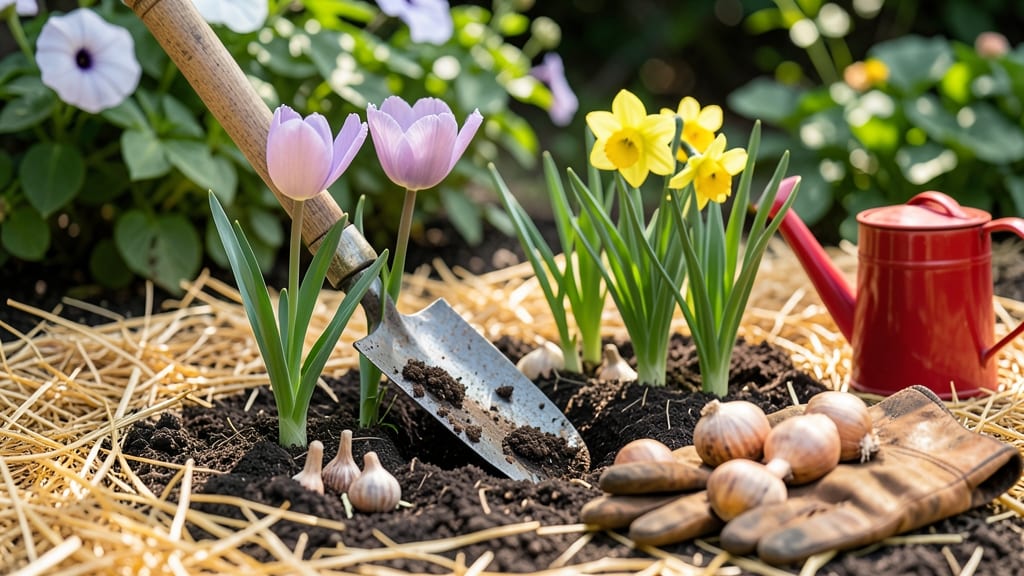
If you're dreaming of vibrant blooms in your Houston garden but dread the guesswork of when to plant bulbs in Houston, you're not alone.
The city's humid summers and unpredictable winters can throw off even the most seasoned gardeners—but with the right timing, you can enjoy year-round color without the stress.
I've spent years perfecting my Houston bulb schedule, and the key is understanding how our 9a climate affects planting windows. Fall is your prime season for most bulbs, but spring planting has its own tricks to beat Houston's heat.
Let me walk you through the exact months to plant for foolproof results, plus how to adjust for our tricky weather patterns.
We'll cover everything from soil prep to companion planting ideas that thrive in Houston's humidity. Whether you're planting tulips for spring or dahlias for summer, these insights will help you avoid common pitfalls like premature sprouting or rot. Ready to transform your garden into a blooming paradise?
By the end, you'll know exactly when to order bulbs, how deep to plant them, and which varieties handle Houston's challenges best. Let's get started—your future garden is waiting!
Houston’s best bulb planting months by type (fall vs spring)
Houston’s Zone 8b-9a climate means bulbs need precise timing to thrive. Fall planting (September–November) is ideal for spring-blooming bulbs like tulips and daffodils, while spring planting (February–March) works for summer-flowering varieties like dahlias. The key is avoiding Houston’s heat spikes and humidity, which can stress bulbs.
Most gardeners in Houston focus on fall planting because it gives bulbs time to establish roots before winter. Spring planting is riskier due to Houston’s early heat, but some heat-tolerant bulbs (like spider lilies) can handle it. Let’s break down the best months for each type to maximize your blooms.
🌱 Fall-Planted Bulbs (Spring Blooms): These include tulips, daffodils, hyacinths, and crocuses. Plant them 6–8 weeks before Houston’s first frost (mid-December). Aim for September–October for optimal root growth before winter dormancy.
🌿 Spring-Planted Bulbs (Summer Blooms): Varieties like dahlias, canna lilies, and rain lilies thrive when planted in February–March. These bulbs need warm soil to sprout, so avoid planting too early when soil temps are still cool.
| Bulb Type | Best Planting Month | Bloom Season | Houston-Specific Tip |
|---|---|---|---|
| Tulips | September–October | Spring (March–April) | Plant in well-draining soil to prevent rot in Houston’s humidity. |
| Daffodils | October–November | Spring (March–May) | Deer-resistant; ideal for sunny borders. |
| Dahlias | February–March | Summer (June–August) | Needs staking in Houston’s heat; plant after last frost. |
| Spider Lilies | March–April | Summer–Fall (July–October) | Thrives in partial shade; drought-tolerant. |
| Rain Lilies | September–October | Summer (June–August) | Perfect for rain gardens; handles Houston’s humidity. |
For fall planting, aim to finish by mid-November to avoid Houston’s occasional early cold snaps. If you miss fall, spring planting is still possible for heat-loving bulbs, but start them indoors in January to get a head start.
Pro tip: Order bulbs in late summer (August–September) for fall planting. Houston’s nurseries often run out by October, so plan ahead. Store bulbs in a cool, dry place until planting day.
If you’re unsure about Houston’s microclimates, observe your garden’s sun exposure and drainage. Shadier spots may delay planting by a week or two, while full-sun areas can handle earlier planting. Always test soil moisture before watering—Houston’s clay soil retains water longer than you think.
Finally, mulch after planting to protect bulbs from temperature swings. Use 2–3 inches of organic mulch like pine straw or shredded leaves. This keeps roots cool in summer and warm in winter, which is critical in Houston’s unpredictable climate.
How to adjust planting for Houston’s heat and rainy seasons
Houston’s humid summers and heavy rainfall can turn bulb planting into a high-stakes game—but with the right adjustments, you’ll protect your bulbs from rot, premature sprouting, and fungal diseases. The key is soil prep, strategic timing, and smart watering. Let’s break down how to beat Houston’s climate challenges.
First, amend your soil with organic matter like compost or coconut coir to improve drainage while retaining moisture. Houston’s clay-heavy soil can suffocate bulbs, so mix in perlite or sand for aeration.
Test your soil’s pH (6.0-7.0)—bulbs thrive in slightly acidic to neutral conditions. If your soil is too dense, consider raised beds for better control.
Next, time your watering to avoid soggy soil. Bulbs planted in fall need consistent moisture until the ground freezes, but spring-planted bulbs (like dahlias) demand drought-like conditions to prevent early shoots.
Water deeply in the morning (before 10 AM) to let foliage dry before humidity peaks. Use a soaker hose or drip irrigation to keep water at the root zone—never overhead.
🌱 Pro Tip: In Houston’s hot springs, bulbs like tulips may sprout too early. Mulch heavily (3-4 inches) with straw or pine bark to insulate soil and delay growth until temperatures stabilize.
For summer-blooming bulbs (e.g., cannas), plant them after the last frost (mid-March) to avoid heat stress during dormancy.
⚠️ Houston-Specific Warnings
- Fungal Risk: Houston’s humidity + poor drainage = bulb rot. Plant in elevated areas or containers if your yard floods.
- Premature Sprouting: Spring-planted bulbs (like gladiolus) may shoot up in February if soil warms too soon. Cover with mulch or wait until mid-March.
- Heat Stress: Dahlias and cannas need afternoon shade in Houston’s 100°F+ summers. Use light shade cloth or plant near tall perennials for protection.
For fall-planted bulbs, aim to finish planting by mid-November—this gives roots time to establish before Houston’s mild winters.
If you miss the window, December planting is still possible, but water sparingly to avoid winter rot. Spring-planted bulbs (like rain lilies) should go in February, but cover them with mulch until soil temps hit 60°F consistently.
Finally, companion planting can save your bulbs from Houston’s pests. Pair tulips with alliums (to deter deer) or dahlias with marigolds (to repel nematodes). Avoid planting bulbs near wetland plants (like irises), which compete for moisture in Houston’s saturated soil.
With these tweaks, your bulbs will bloom reliably—even in the heat and humidity!