
Plants
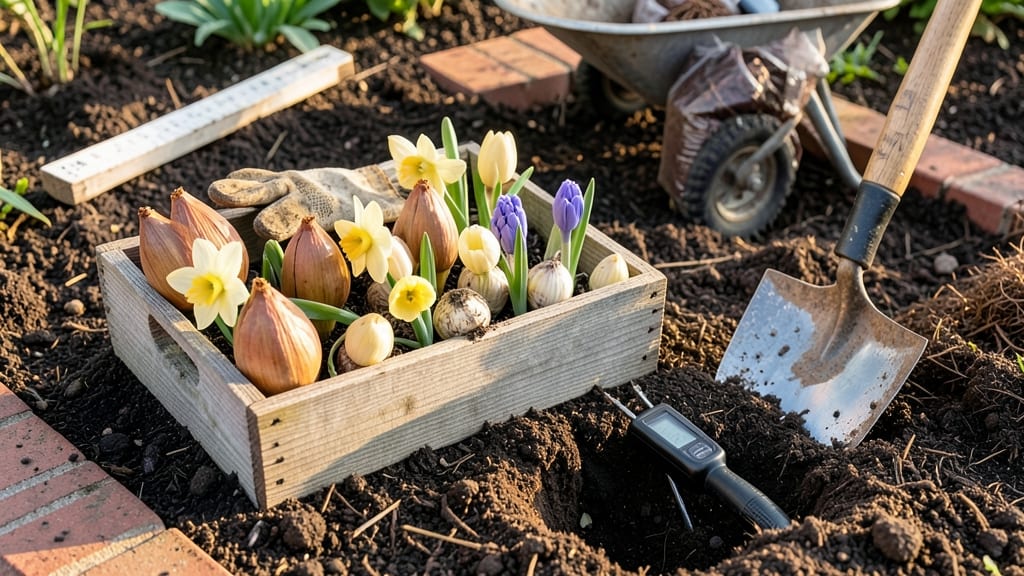
Timing your spring bulb planting in Michigan isn’t just about following a calendar—it’s about giving your 🌷 tulips, daffodils, and hyacinths the best shot at thriving through our famously unpredictable weather. Plant too early, and frost can damage tender shoots; too late, and your blooms might miss their prime display window entirely.
Here’s the secret: Michigan’s 5b-6b climate demands precision, and the ideal window is actually early April—just 2-3 weeks before your last expected frost date. But there’s more to it than dates—moon phases, soil temperatures, and even your local microclimate play a surprising role in bulb success.
I’ve tested these strategies in my own garden, and the results speak for themselves: bulbs planted at the right time bloom brighter and last longer, even in Michigan’s shorter growing season. Let me show you exactly how to time it perfectly for vibrant, long-lasting blooms that’ll make your neighbors jealous.
Whether you’re a first-time gardener or a seasoned green thumb, you’ll learn the critical mistakes to avoid—like planting too deep or ignoring soil drainage—and how to adjust for Michigan’s clay-heavy soils. Ready to transform your spring garden? Let’s get started.
Michigan’s ideal planting window for spring bulbs by hardiness Zone
Michigan’s USDA Hardiness Zones 4-6 create unique challenges for spring bulb planting. Unlike fall-planted bulbs, spring varieties like tulips, daffodils, and alliums need precise timing to avoid frost damage and soil temperature fluctuations.
The key? Planting when soil reaches 45°F (7°C)—typically 2-3 weeks before your average last frost date, which ranges from mid-April in southern Michigan to early May in the Upper Peninsula.
For Zone 5b (southern Michigan), aim for early April—just as crocuses peek through snow. In Zone 6a (central Michigan), wait until mid-April when daytime highs consistently stay above 50°F (10°C).
Northern zones (Zone 4b) should delay until late April, when soil thaws to 6 inches deep. Always check Michigan State University Extension’s frost maps for your exact location.
Here’s the golden rule: Plant bulbs when soil is workable but not soggy. Press your finger into the ground—if it feels cool but crumbles easily, it’s ready. Clay-heavy Michigan soils can stay cold longer, so amend with compost or sand to improve drainage.
Pro tip: Use a soil thermometer to confirm 45°F (7°C)—this prevents rot in chilly soil.
🌱
| Zone | Ideal Planting Window | Soil Temp Threshold | Last Frost Date | Best Bulbs for Zone |
|---|---|---|---|---|
| 5b (South) | Early April | 45°F (7°C) | Mid-April | Daffodils, Tulips, Hyacinths |
| 6a (Central) | Mid-April | 45°F (7°C) | Late April | Alliums, Crocuses, Miniature Daffodils |
| 4b (North) | Late April | 50°F (10°C) | Early May | Hardy Tulips, Snowdrops, Grape Hyacinths |
*Adjust 1-2 weeks based on microclimates (e.g., urban areas warm faster).
Don’t overlook microclimates—southern-facing slopes warm 1-2 weeks earlier than shaded areas. If you’re in Zone 5b near Lake Michigan, lake-effect winds can delay warming, so plant 1 week later than inland areas.
For container gardens, use black pots to absorb heat and plant 1 week earlier than ground planting.
Popular spring-planted bulbs thrive in Michigan’s climate, but daffodils are the most forgiving for beginners. They tolerate wet soils and late frosts better than tulips. For bold color, mix alliums (purple globemaster) with white daffodils—they bloom at similar times and complement each other beautifully.
After planting, mulch with straw to insulate bulbs from temperature swings. In Zone 4b, add an extra 2 inches of mulch to protect against late spring frosts.
Water lightly but consistently—bulbs need 1 inch of water per week until foliage yellows. Overwatering now can drown bulbs before roots establish.
🌿
Test your soil’s pH (6.0-7.0 ideal) before planting—Michigan’s clay soils often test alkaline. Amend with peat moss or sulfur if needed. For container growing, use a well-draining mix with perlite to prevent rot.
Place pots in full sun and move them to a garage or shed if late frosts threaten.
Finally, label your bulbs! Michigan’s short growing season means quick succession planting—note when you planted each variety to rotate crops next year. For example, tulips need 6-8 weeks of chill time, so plant them first in early April, followed by daffodils 2 weeks later.
✂️
How moon phases boost bulb growth in Michigan gardens
Michigan’s short spring season means every day counts when planting bulbs. But here’s the secret: the moon’s phases can supercharge your bulbs’ growth. Planting during the right phases helps bulbs develop stronger roots and bigger blooms, especially in Michigan’s cool, wet springs.
Let’s break down the best times to plant based on lunar cycles.
For root development, aim for the waxing crescent phase (just after the new moon). This is when the moon’s gravity pulls moisture upward, helping bulbs establish deep roots before shoots emerge. In Michigan, this often aligns with early April, right after the last frost.
The full moon phase is ideal for planting bulbs that bloom above ground, like tulips and daffodils, as it encourages upward growth.
Here’s how to align your planting with Michigan’s climate and the moon’s phases:
- 🌑 New Moon: Avoid planting—roots may struggle in Michigan’s cold soil.
- 🌒 Waxing Crescent (Best for Roots): Plant tulips, crocuses, and alliums 2-3 weeks before last frost (early April).
- 🌓 First Quarter: Good for daffodils and hyacinths—bulbs get a root boost before shoots appear.
- 🌔 Waxing Gibbous: Ideal for late-blooming bulbs like fritillaries in mid-April.
- 🌕 Full Moon (Best for Blooms): Plant above-ground bloomers (e.g., tulips) for stronger stems.
- 🌖 Waning Gibbous: Skip—bulbs may not establish well in Michigan’s chilly soil.
- 🌗 Last Quarter: Avoid—roots may rot in Michigan’s damp springs.
- 🌘 Waning Crescent: Not ideal—bulbs risk frost heave if planted too late.
Michigan’s clay-heavy soils can slow root growth, so lunar planting helps compensate. For example, planting daffodils during a waxing crescent in early April ensures they develop roots before Michigan’s unpredictable late frosts.
Meanwhile, tulips planted near a full moon in mid-April often produce taller, sturdier stems to support their heavier blooms.
Don’t stress if you miss the perfect lunar window—Michigan’s bulbs are resilient. Just plant within 2-3 weeks before the last frost (typically mid-April in most regions). The moon’s influence is a bonus, but soil temperature (at least 50°F) and well-draining soil are non-negotiable for success.
For extra insurance, mulch newly planted bulbs with 2-3 inches of straw to protect roots from Michigan’s temperature swings. This simple step keeps soil consistently moist and mimics the moon’s gravitational pull on water—nature’s way of helping your bulbs thrive!