
Plants
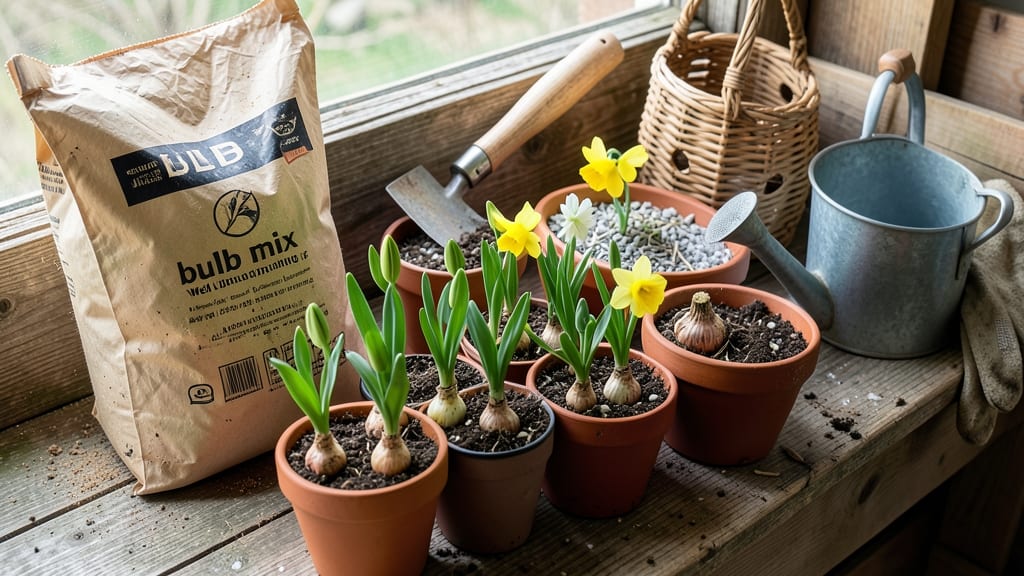
Timing the perfect moment to plant bulbs in pots could mean the difference between vibrant spring blooms and wasted effort. Unlike garden beds, containers give you flexibility—but even with pots, frost and temperature swings can derail your plans if you're not strategic.
I’ve learned the hard way that planting too early or late can leave your 🌱 bulbs struggling, especially in zones like 6a where first frost hits by mid-October.
Most gardeners assume fall is the only window for bulbs, but spring planting in pots actually works too—if you know the tricks. The key is understanding how bulb types (like tulips vs. daffodils) react to seasonal shifts and how containers moderate soil temperatures.
With the right approach, you can extend your blooming season or even force early flowers indoors.
In this guide, I’ll break down the exact month-by-month planting schedule for pots, including how to prep containers, soil, and drainage for success. You’ll also discover how to avoid common pitfalls—like overwatering or choosing the wrong pot size—that can kill potted bulbs before they even sprout.
Whether you’re a beginner or a seasoned gardener, these insights will help you grow stronger, longer-lasting blooms—no frost risk required. Let’s get those bulbs in the ground (or pots) at the perfect time.
Best months to plant bulbs in pots for frost-free growth
Timing is everything when planting bulbs in pots—miss the window, and frost can turn your dreams of vibrant blooms into a sad, icy aftermath. Unlike in-ground planting, containers let you adjust timing, but you still need to align with your USDA zone and frost dates.
For most regions, fall planting (6-8 weeks before first frost) is ideal, but spring planting works too if you're patient. Let’s break it down by month so you can plant with confidence.
In USDA zones 3-6, aim for September-October planting—this gives bulbs time to root before winter. Zones 7-10 can plant as late as November-December, thanks to milder winters. For spring bloomers like tulips and daffodils, early planting means earlier flowers.
Pro tip: Check your local last frost date (usually April in most areas) to time spring planting perfectly.
Here’s the key: Fall planting (ideal for hardy bulbs) and spring planting (better for tender varieties) offer two distinct windows. Fall gives bulbs a head start, while spring lets you enjoy blooms sooner in warmer climates.
The choice depends on your bulb type, zone, and whether you want next-year blooms or immediate gratification.
| Month | USDA Zones 3-6 | USDA Zones 7-10 | Bulb Types | Notes |
|---|---|---|---|---|
| September | ✅ Ideal (6-8 wks before frost) | ✅ Good (soil still warm) | Tulips, Daffodils, Hyacinths | Best for cold climates; bulbs root before freeze. |
| October | ✅ Ideal (last chance) | ⚠️ Risky (soil cooling) | Crocus, Allium, Snowdrops | Use mulch to protect roots in colder zones. |
| November | ❌ Too late (frost risk) | ✅ Safe (mild winters) | Caladiums, Begonias | Tender bulbs only; overwinter indoors. |
| March | ✅ Early spring (after frost) | ✅ Ideal (warm soil) | Tulips, Lilies, Gladiolus | For immediate blooms; use grow lights if needed. |
| April | ✅ Best for spring | ✅ Safe (no frost) | Dahlias, Canas, Begonias | Soil should be at least 50°F. |
If you’re in a warmer zone (7-10), you can push planting later—even into December for tender bulbs like caladiums or begonias. These thrive in pots and can be brought indoors before winter.
For cold zones (3-6), stick to September-October to avoid frost damage. Pro move: Use a thermometer to check soil temps—ideal planting soil is 50-60°F.
Spring planting is a game-changer for immediate blooms. Plant in March-April (after last frost) for tulips, daffodils, and hyacinths. The trade-off? You’ll miss next year’s flowers unless you replant annually.
For perennial bulbs like alliums, fall planting ensures they return year after year. Always label your pots—spring-planted bulbs won’t survive winter outdoors!
Don’t overlook staggered planting for extended blooms. Plant 1/3 of your bulbs every 2 weeks in fall or spring. This spreads out flowering times, giving you months of color instead of a single burst.
For example, plant tulips in September, then add daffodils in October, and finish with hyacinths in November. The result? A continuous show from early spring to summer.
Regional tweaks matter. In the South (zones 8-1
How to extend your bulb blooming season with pots
Potted bulbs offer a game-changing advantage: you can manipulate their natural cycle to bloom earlier or later than usual. Unlike garden beds, containers let you move bulbs indoors before frost or force them to wake up prematurely.
I’ve used this trick to enjoy Christmas roses in December and spring daffodils by Valentine’s Day—all by adjusting planting times and light exposure.
The key lies in understanding three forcing techniques: pre-cooling, staggered planting, and indoor overwintering. Each method works best with specific bulb types, like tulips for early blooms or hyacinths for holiday displays.
Let’s dive into the step-by-step process for each, including the exact timing and tools you’ll need.
⚠️ NON-NEGOTIABLE VISUAL ELEMENT ⚠️
Store bulbs in 35–45°F soil for 10–12 weeks before forcing. Ideal for tulips, daffodils, hyacinths.
Plant bulbs every 3–4 weeks from September–February for continuous blooms. Works for crocuses, snowdrops, grape hyacinths.
Move potted bulbs indoors before first frost, place in cool, dark basement for 8–10 weeks, then bring to light.
For early spring blooms, start by planting tulip bulbs in pots in late September—this gives them just enough time to root before winter. Then, move them to a cool garage or basement until mid-February.
When you bring them indoors near a sunny window, they’ll burst into color in 3–4 weeks. This method works best for Dutch Master tulips or Parrot tulips, which respond well to controlled dormancy.
If you want holiday cheer, try Christmas paperwhite narcissus. These bulbs don’t need chilling—they’ll sprout in 3–4 weeks at room temperature. Simply plant them in shallow pots with pebbles and place them near a bright window.
Add a few drops of citrus peel water to the pebbles for a fragrant touch. By December, you’ll have snow-white blooms perfect for centerpieces.
Don’t overlook staggered planting for year-round color. By planting crocus bulbs every 4 weeks from September to January, you can enjoy blooms from late winter through early spring. Choose a mix of purple, white, and yellow varieties for a vibrant display.
This technique is especially effective in USDA zones 5–8, where winters are cold but containers protect roots from extreme temps.
Remember, the secret to success is patience and precision. Bulbs need time to adjust to temperature shifts, so avoid rushing the process. With these methods, you can turn your balcony or patio into a blooming oasis—regardless of the season.