
Plants
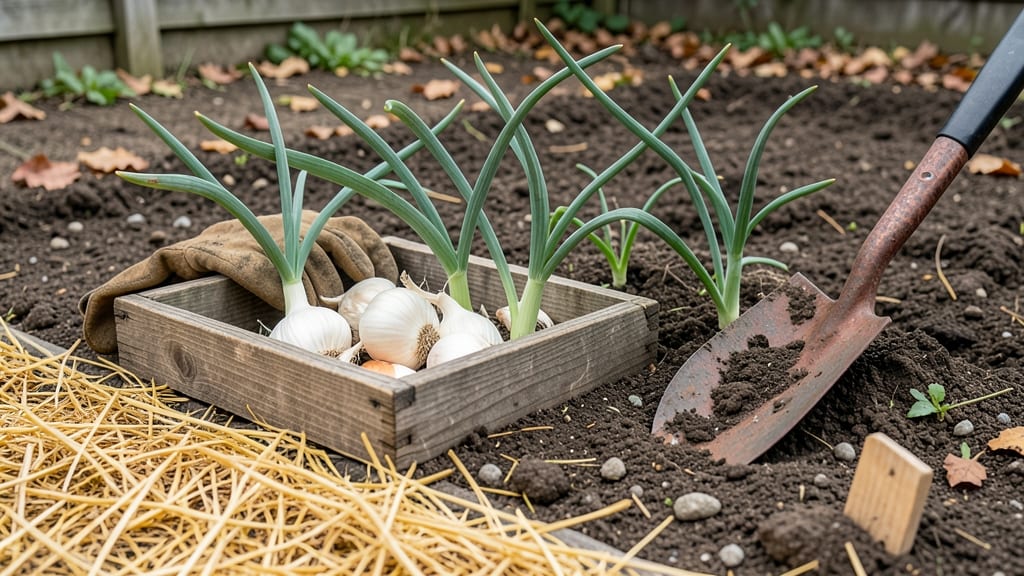
Timing your garlic planting in Zone 5 isn't just about throwing bulbs in the ground—it's the key to growing those plump, flavorful cloves you dream of. Miss the frost-date window, and you might end up with weak roots or stunted growth instead of the harvest you're hoping for.
Here's the secret: Planting garlic bulbs in Zone 5 works best when you get them in the soil 4-6 weeks before the ground freezes. That usually means October or early November, but your exact timing depends on whether you're dealing with an early or late frost year.
Too soon, and the bulbs won't establish strong roots before winter sets in.
I'll walk you through exactly how to read your frost dates, prepare your soil, and choose the right varieties for your Zone 5 climate. These steps make all the difference between a disappointing harvest and the kind of garlic that makes your garden the envy of the neighborhood.
Let's break down the process so you can confidently plant your garlic at the perfect moment—because when it comes to garlic, timing really is everything.
The exact Zone 5 frost-date window for planting garlic bulbs
Zone 5 gardeners know timing is everything—especially when planting garlic bulbs. The ideal planting window falls between 4-6 weeks before your first hard frost, typically in late October to early November. This timing ensures garlic roots establish before winter dormancy, leading to larger bulbs next summer.
For most of Zone 5, the first frost arrives around mid-October, meaning you should plant garlic between September 20th and October 15th.
However, this varies slightly by location—northern Zone 5 (e.g., Minneapolis) may need to plant earlier, while southern Zone 5 (e.g., Kansas City) can wait until late October.
Garlic thrives when soil temperatures drop below 50°F (10°C). Planting too early (e.g., August) risks premature sprouting, while planting too late (e.g., December) may leave roots underdeveloped before winter. Use a soil thermometer to confirm temperatures are consistently below 60°F (15°C) before planting.
🌱
| Stage | Action | Key Details |
|---|---|---|
| Soil Prep | Test pH (6.0-7.0) | Amend with compost if needed |
| Planting Window | 4-6 weeks before frost | Zone 5: Oct 1–Nov 15 |
| Soil Temp | Below 60°F (15°C) | Use thermometer for accuracy |
| Planting Depth | 2x bulb height | Typically 4-6 inches deep |
| Mulching | Apply 4-6 inches after planting | Straw or leaves for insulation |
Adjust your planting timeline if your winter arrives early or late. Check your local USDA frost dates—for example, Chicago's average first frost is October 15th, while Denver's is October 20th. Planting garlic too early (e.g., September) can trigger early sprouting, weakening bulbs before winter.
Hardneck varieties (like Music or German White) perform best in Zone 5’s cold winters, while softneck varieties (like Silverskin) tolerate slightly warmer conditions. Choose hardnecks for larger cloves and scape production, ideal for Zone 5’s climate.
If you miss the fall window, you can plant garlic in early spring (March), but bulbs will be smaller and less flavorful. Spring-planted garlic relies on summer heat for growth, which Zone 5’s short season can’t fully support.
🌡️
Pro tip: Mark your calendar 6 weeks before your average frost date to ensure you’re ready. Use a moisture meter to confirm soil is well-draining—garlic hates soggy conditions. With the right timing, your Zone 5 garlic will reward you with plump, flavorful bulbs by next summer.
The exact Zone 5 frost-date window for planting garlic bulbs
In Zone 5, the optimal garlic planting window hinges on your first frost date, which typically falls between mid-October and early November. Aim to plant 4-6 weeks before the ground freezes—this gives roots time to establish before winter dormancy.
For most Zone 5 gardeners, that means late September to mid-November, but your exact timing depends on local microclimates.
Check your average last frost date (usually around November 15th in Zone 5) and count backward. For example, if your frost date is November 10th, plant by October 1st to ensure root development.
Too early, and your garlic may bolt; too late, and it won’t harden off properly for winter.
Soil temperature is just as critical. Garlic thrives when soil temps are between 40°F and 50°F at planting. Use a soil thermometer to confirm—if temps drop below 32°F, roots may freeze before establishing.
This is why October is ideal for most of Zone 5, balancing cool soil and frost timing.
| Frost Timeline | Planting Window | Soil Temp Range | Zone 5 Adjustments |
|---|---|---|---|
| First Frost (Avg: Mid-October) | Plant 4-6 weeks prior (Late Sept) | 40°F–50°F | Use mulch for early frosts |
| Last Frost (Avg: Mid-November) | Plant by Oct 15th | 32°F–40°F (risk of freeze) | Avoid planting after Oct 31st |
| Extreme Early Frost (Before Oct 15) | Delay until November (if soil is workable) | Above 32°F | Use thick mulch (6+ inches) |
| Late Frost (After Nov 15) | Plant by Dec 1 (if soil isn’t frozen) | 32°F–40°F | Expect smaller bulbs |
Pro tip: If your Zone 5 winter is unpredictable, opt for hardneck varieties like 'German White' or 'Music', which handle cold better than softnecks. These varieties also produce scape shoots in spring, a bonus for early harvests.
For extra insurance, plant a test row in early October—if it survives winter, you’ve nailed the timing.
Don’t forget to adjust for elevation if you’re in higher-altitude Zone 5 (e.g., mountain regions freeze earlier). In these areas, plant by mid-September to avoid missed windows. Use local cooperative extension service data for precise frost dates—this small step can double your harvest size.
Once you’ve locked in your planting date, focus on soil prep next.
Loosen the soil to 8–10 inches deep, mix in compost or aged manure, and ensure drainage—waterlogged soil in winter can rot garlic roots before they even start growing. Mulch heavily (4–6 inches of straw) after planting to insulate bulbs through freezing temps.