
Plants
If you’ve ever stared at a bag of 🌷 bulbs in late October wondering when to plant bulbs in the Zone 4 before the ground freezes, you’re not alone.
Getting the timing right in Zone 4 can mean the difference between a garden bursting with color and a sad, half-dead bulb collection.
The key to success isn’t guessing—it’s knowing your frost dates and working with them. Whether you’re planting tulips for spring blooms or dahlias for summer, the window is narrow but doable.
I’ll walk you through exactly when to dig in, how to adjust for early or late frosts, and which bulbs thrive best in Zone 4’s short season.
You’ll also discover why September and October are the sweet spots for fall planting, plus how to prep your soil and avoid common mistakes that kill bulbs before they even sprout. No more second-guessing—just reliable blooms year after year.
Let’s turn your bulb dreams into reality with a foolproof timeline that works for your climate. Ready to dig in?
Zone 4 bulb planting timeline by frost dates and bloom seasons
In Zone 4, where winters are harsh and summers short, timing your bulb planting correctly is the difference between a showstopping spring display and wasted effort.
Most bulbs need 6-8 weeks to establish roots before the ground freezes, so fall planting is critical for spring bloomers like tulips and daffodils. For summer-blooming varieties like dahlias, wait until early spring when soil temperatures rise above 50°F.
Zone 4’s average first frost typically arrives around October 1, giving you a 6-8 week window from mid-September to late October for fall planting. Spring planting, on the other hand, should start as soon as the soil is workable—usually late March to early April.
Missing these windows can leave your bulbs vulnerable to frost damage or insufficient root growth.
Not all bulbs follow the same schedule. Spring-blooming bulbs (like crocuses and snowdrops) are the earliest to plant, while summer-blooming bulbs (like gladioli) need warmer soil. Below is your Zone 4 frost-date cheat sheet to align planting with bloom seasons.
| Bulb Type | Planting Window | Bloom Season | Zone 4 Notes |
|---|---|---|---|
| Spring-Blooming (Tulips, Daffodils, Hyacinths) | Fall: Mid-Sept to Oct 15 | April–June | Plant 6-8 weeks before frost; deeper soil = earlier blooms. |
| Early Spring (Crocuses, Snowdrops, Alliums) | Fall: Sept 15–Oct 1 | March–April | Cold-hardy; plant shallow (4-6") for faster sprouting. |
| Summer-Blooming (Dahlias, Gladioli, Lilies) | Spring: After last frost (late April) | July–August | Wait until soil is 50°F+; mulch to retain heat. |
| Fall-Planted (Cyclamen, Colchicum) | Fall: Oct 1–Nov 1 | Late Fall–Winter | Plant late to avoid early frost; protect with mulch. |
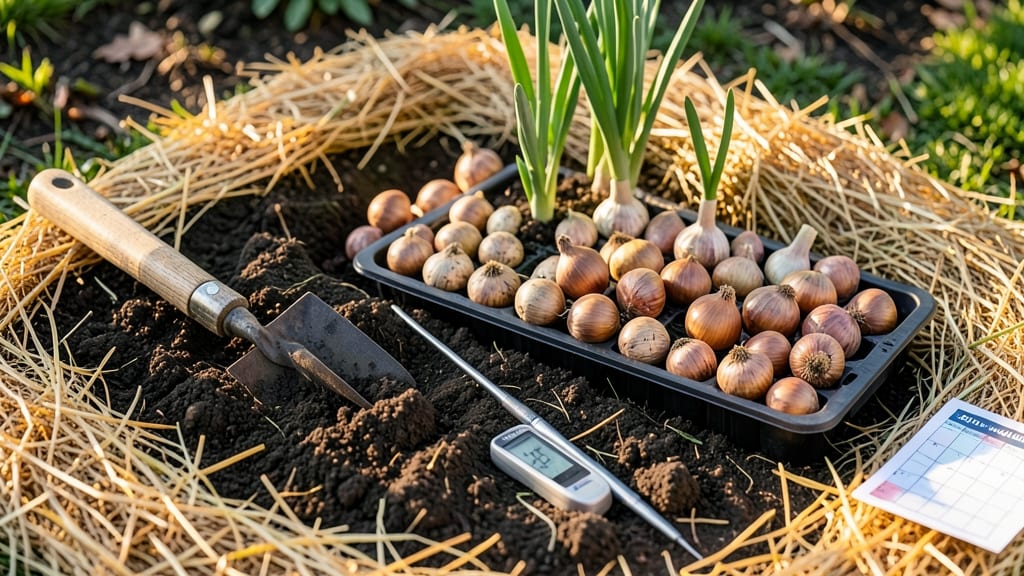
For Zone 4 gardeners, soil temperature is just as critical as air temperature. Use a soil thermometer to confirm fall planting is safe when soil drops below 50°F.
In early spring, wait until soil reaches 40°F before planting summer bulbs—cold soil slows root growth and can rot tender varieties like dahlias.
Pro tip: Layer mulch (straw or leaves) over planted bulbs in late fall to insulate them from freeze-thaw cycles, which can heave bulbs out of the ground. This is especially important for tulips, which are prone to frost heave in Zone 4’s fluctuating temperatures.
Adjust your planting timeline based on microclimates in your garden. South-facing beds warm up faster in spring, while north-facing areas stay colder longer. If your yard has late frosts (like those in northern Michigan or Maine), push spring planting back to mid-April or use row covers for early bloomers.
Remember: Bulbs planted in fall will give you earlier and more reliable blooms in spring, while spring-planted bulbs (like dahlias) reward patience with summer-long color. Plan ahead by marking your frost dates on a calendar and setting reminders for September and March—your future garden will thank you!
🌷
Zone 4 bulb planting timeline by frost dates and bloom seasons
In Zone 4, where winters are harsh and summers short, timing your bulb planting correctly is the key to vibrant spring blooms.
Most gardeners focus on fall planting for spring-flowering bulbs, but understanding your first frost date (typically October 1) and last frost date (around May 15) ensures success.
For spring-blooming bulbs like tulips and daffodils, aim to plant 6-8 weeks before the ground freezes. This usually lands in September or early October in most of Zone 4. Meanwhile, summer-blooming bulbs like dahlias and gladioli should wait until late spring after the last frost.
| Bulb Type | Planting Window | Notes |
|---|---|---|
| Spring-Blooming Bulbs | Late September - Early October | Plant before ground freezes; tulips, daffodils, crocuses. |
| Summer-Blooming Bulbs | Late April - May (after last frost) | Dahlias, gladioli; wait for soil to warm. |
| Fall-Planted Bulbs (e.g., Snowdrops) | October - November | Hardy varieties; plant after first frost. |
| Early Spring Planting (Backup) | March - Early April | For missed fall plantings; use cold-hardy bulbs. |
If you’re unsure about your local frost dates, check with your local cooperative extension office or use a soil thermometer to monitor ground temperatures.
In northern Zone 4 (e.g., Minnesota, Maine), aim for earlier planting (late August), while southern Zone 4 (e.g., Ohio, Pennsylvania) can wait until mid-October.
For fall-planted bulbs, focus on hardy varieties like crocuses, snowdrops, and alliums, which tolerate cold better than tulips. These can even be planted in November if the ground isn’t frozen. Meanwhile, spring-planted bulbs like caladiums should wait until after Memorial Day when soil warms.
Pro tip: Mark your planting calendar with 3 key dates—first frost, last frost, and your target planting window. This ensures you never miss the 6-8 week window before winter sets in.
Remember, bulbs need time to establish roots before winter. Planting too late risks frost damage, while planting too early may lead to premature sprouting. Balance is key for Zone 4 success! 🌷