
Plants
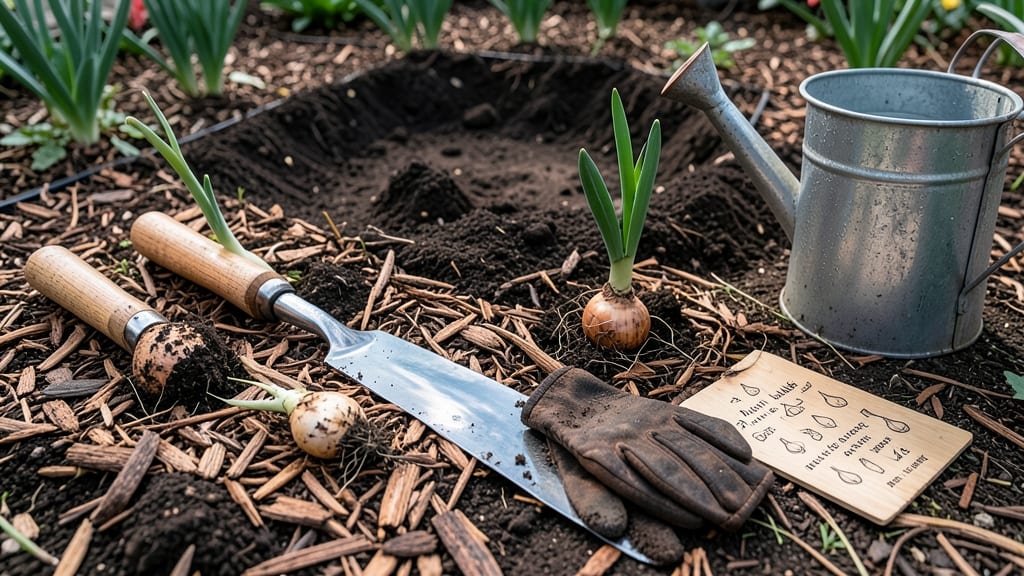
If you’ve ever planted bulbs in Florida only to watch them wilt under the summer sun or bloom too late, you’re not alone—traditional planting advice just doesn’t cut it in the Sunshine State.
The key to vibrant, long-lasting blooms lies in understanding Florida’s unique heat zones and timing your plantings to avoid heat stress or missed opportunities.
From North Florida’s 8a zone to Key West’s frost-free paradise, the right window for planting 🌷 bulbs varies dramatically. Whether you’re dreaming of spring daffodils or summer cannas, getting the timing right means the difference between a stunning garden and a sad, struggling patch.
Let’s break down the exact months to plant for zero-frost success—and how to adapt for Florida’s quirks.
Most gardeners assume fall is the only time to plant, but in Florida’s warm climate, spring planting can work too—if you know the tricks. We’ll cover the best months for your specific region, soil prep hacks, and which bulbs thrive in Florida’s humidity.
No more guesswork—just lush, reliable blooms year after year.
Ready to transform your garden? I’ll walk you through the step-by-step process, including how to adjust for Florida’s sandy soil and hurricane season. Let’s make your bulb dreams a reality—without the trial and error.
Florida heat-zone planting calendar for bulbs (no frost, no problem)
Florida’s frost-free climate means we can plant bulbs year-round—but timing matters more than ever. Unlike northern gardens, where fall planting triggers spring blooms, Florida’s heat demands a different approach. Most bulbs thrive when planted during cooler months (September–January) to avoid summer’s scorching sun and humidity.
Let’s break down the best months for each bulb type to maximize your garden’s vibrant displays.
In Florida’s USDA Zones 8a–11, bulbs like cannas, dahlias, and spider lilies behave differently than traditional spring-bloomers. The key is planting when soil temperatures dip below 80°F—typically in late summer or early fall for spring blooms, or winter for summer flowers.
South Florida’s frost-free zones (like Miami) allow planting anytime, but timing still affects bloom strength.
Below is your Florida-specific planting calendar, tailored to the state’s microclimates. Use this as your guide to avoid weak stems, sparse blooms, or even bulb rot—common pitfalls in Florida’s humid climate.
Notice how rain lilies thrive in Florida’s summer heat? That’s because they’re adapted to our tropical climate. Meanwhile, dahlias and cannas need cooler soil to establish roots before summer’s intensity. Pro tip: In North Florida (Zone 8a), plant by December 1 to avoid early spring heat stress.
For South Florida (Zones 10a–11), where frost is rare, you can plant bulbs year-round, but aim for September–November for the best bloom performance. The humidity and sandy soil mean bulbs need extra care—like mulching and well-draining soil mixes—to prevent rot.
One common mistake? Planting tulips or daffodils (traditional cool-season bulbs) in Florida’s heat. These won’t survive our summers—they’re better suited for container gardens that can be moved indoors during peak heat. Instead, focus on heat-loving bulbs like cannas, elephant ears, and society garlic.
Use this calendar as your garden’s roadmap. Mark your planting dates now—your spring garden will thank you with bold, long-lasting blooms that outshine any northern garden! 🌷
Top 5 Florida-friendly bulbs that thrive in heat (and when to plant them)
Florida’s heat and humidity aren’t just survivable for bulbs—they’re ideal for many tropical and heat-loving varieties. Unlike traditional bulbs that need cold dormancy, these Florida superstars bloom year-round with the right timing.
Here’s my top 5 list of bulbs that thrive in Florida’s climate and when to plant them for maximum impact.
First up, cannas (Canna lilies) are the queens of Florida heat. Plant them in spring (March–April) for summer blooms, or in fall (September–October) for winter color. Their bold foliage and vibrant flowers make them a must-have for sunny borders.
- Cannas – Spring (Mar–Apr) or Fall (Sep–Oct); full sun, moist soil.
- Dahlias – Spring (Feb–Mar) after last frost; partial shade, well-draining soil.
- Rain Lilies (Zephyranthes) – Fall (Sep–Nov); sun to shade, drought-tolerant.
- Spider Lilies (Hymenocallis) – Spring (Mar–Apr) or Fall (Sep–Oct); full sun, humidity-loving.
- Elephant Ears (Alocasia) – Spring (Feb–Mar) for summer shade gardens.
Dahlias are another showstopper but need a little more care. Plant tubers in spring (February–March) after the last frost risk. They love partial shade and rich, well-draining soil—perfect for Florida’s hot afternoons. Deadhead spent blooms to encourage more flowers.
Rain lilies (Zephyranthes) are the low-maintenance champs of Florida bulbs. Plant them in fall (September–November) for spring blooms triggered by rainfall. They thrive in sun to shade and even handle drought once established, making them ideal for xeriscaping.
For humidity-loving blooms, spider lilies (Hymenocallis) are a fragrant favorite. Plant in spring (March–April) or fall (September–October) in full sun. Their unique spider-like flowers add drama to pond edges or moist garden beds.
Finally, elephant ears (Alocasia) bring tropical drama to shady spots. Plant tubers in spring (February–March) for summer shade gardens. Their bold, glossy leaves make them a statement plant in low-light areas.