
Plants
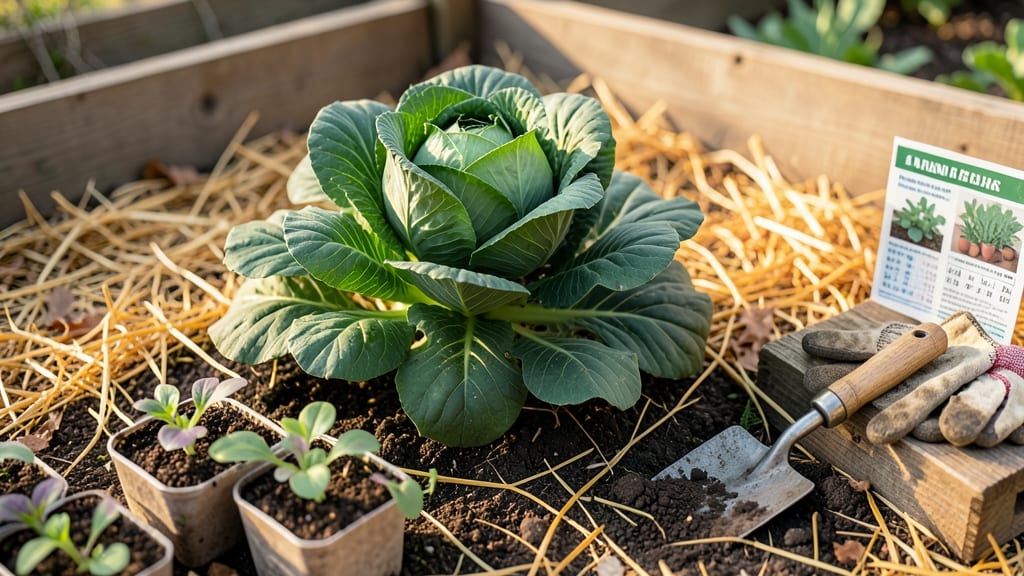
Knowing when to plant cabbage in Indiana is the difference between a thriving garden and wasted effort. With Indiana’s 6a climate, timing your 🥬 crops just right means avoiding frost damage or bolting before harvest—both common mistakes that frustrate even experienced gardeners.
Spring planting starts as early as March 15, but rushing too soon risks frost-killed seedlings. Similarly, fall crops need to hit the ground by September 1 to mature before the first frost in October. The key? Balance warmth and cool weather to keep your cabbage happy and productive.
I’ll break down the exact frost dates for your region, plus how to choose between early and late varieties. Whether you’re a beginner or a seasoned grower, these insights will help you plan for a bumper crop without the guesswork.
Ready to transform your garden? Let’s dive into the frost-date cheat sheet that’ll make your cabbage thrive—no matter what Indiana throws your way.
Indiana cabbage planting calendar: exact frost dates by region
Indiana’s USDA zones 5-6 create a unique challenge for cabbage growers. The state’s last spring frost ranges from April 15 in southern Indiana to May 1 in the northern tier, while the first fall frost arrives between October 15 and October 30.
These dates determine your planting windows—get them wrong, and you’ll either lose seedlings to frost or watch your cabbage bolt before harvest.
For spring planting, aim to transplant 4-6 weeks before your last frost date. In northern Indiana, this means starting seeds indoors by March 1 and transplanting by April 15.
Southern Indiana gardeners have a slightly longer window, with March 15 as the ideal start date for indoor seedlings. Fall planting requires even more precision—seedlings must be in the ground 8-10 weeks before your first frost, translating to August 15 in the north and September 15 in the south.
Here’s the frost-date cheat sheet for Indiana’s two distinct regions, tailored to avoid bolting and ensure a long harvest window:
| Region | Last Spring Frost | First Fall Frost | Spring Planting Window | Fall Planting Window |
|---|---|---|---|---|
| Northern Indiana (USDA 5) | May 1 | October 15 | March 1 (indoors) / April 15 (transplant) | August 15 (transplant) |
| Southern Indiana (USDA 6) | April 15 | October 30 | March 15 (indoors) / April 30 (transplant) | September 15 (transplant) |
Indiana’s microclimates can shift frost dates by 1-2 weeks, so always check your local Cooperative Extension Service for updates. For example, Lake County in northern Indiana often experiences later frosts than Vanderburgh County in the south.
If you’re unsure, err on the side of earlier planting—cabbage tolerates cooler soil better than heat.
Bolting is your biggest enemy in Indiana’s unpredictable spring weather. Cabbage bolts when exposed to temperatures above 80°F or long daylight hours.
To prevent this, choose early-maturing varieties (like 'Early Jersey Wakefield') for spring and heat-tolerant types (like 'Golden Acre') for late summer plantings. Succession planting every 2 weeks ensures a steady harvest before summer heat sets in.
For fall cabbage, focus on late-summer transplants to mature before frost. In northern Indiana, aim for a September 1 transplant date to harvest by October 15. Southern Indiana gardeners can push this to September 15 for a November harvest.
Use black plastic mulch to warm the soil and extend the season by 10-14 days.
Indiana’s humidity and variable rainfall also play a role. After transplanting, water deeply 2-3 times per week to prevent stress. Avoid overhead watering in the evening, as wet foliage invites disease. Instead, water at the base of plants in the morning to keep leaves dry and disease-free.
Finally, soil temperature is critical. Cabbage seeds won’t germinate well in soil colder than 50°F. Use a soil thermometer to confirm readiness—this is especially important for direct sowing in early spring. If your soil is too cold, start seeds indoors under grow lights and transplant once temperatures stabilize.
By aligning your planting schedule with Indiana’s frost dates and microclimates, you’ll avoid the two biggest cabbage failures: frost damage and bolting. With the right timing, you’ll enjoy crisp, homegrown cabbage from June through November—no grocery store required! 🥬
How to time cabbage transplants for maximum yield in Indiana
Timing your cabbage transplants correctly is the secret to avoiding bolting and ensuring crisp heads. In Indiana, soil temperatures must reach at least 50°F before transplanting, typically between April 15 and May 1 for spring crops.
For fall planting, aim for August 15 to September 1 to allow heads to mature before frost.
Starting seeds indoors 4-6 weeks before transplanting gives you a head start. Use seed trays with well-draining soil and place them under grow lights or in a sunny window. Harden off seedlings for 7-10 days before moving them outdoors to prevent transplant shock.
When transplanting, choose overcast days or late afternoon to reduce stress. Space seedlings 18-24 inches apart in rows 24-36 inches apart to allow airflow and prevent disease. Water deeply after transplanting to help roots establish quickly.
Step-by-Step Transplanting Guide
- Week 1-2: Start seeds indoors under grow lights or in a sunny window.
- Week 3-4: Harden off seedlings by exposing them to outdoor conditions for 1-2 hours daily.
- Week 5-6: Transplant outdoors after last frost date when soil is 50°F+.
- Day 1: Water seedlings deeply before and after transplanting to reduce shock.
- Week 1: Apply mulch to retain moisture and suppress weeds.
For succession planting, sow additional seeds every 2-3 weeks until June 15 to extend your harvest. This ensures a continuous supply of fresh cabbage throughout the growing season. In fall, plant a final succession by August 1 for a late-season harvest.
Monitor your cabbage plants closely for signs of stress or pests. Yellowing leaves may indicate transplant shock or nutrient deficiency, while holes in leaves signal cabbage worms. Address issues promptly to keep your crop thriving.
With the right timing and care, your Indiana cabbage plants will reward you with plump, flavorful heads ready for harvest. Experiment with different varieties and planting schedules to find what works best for your garden!