
Plants
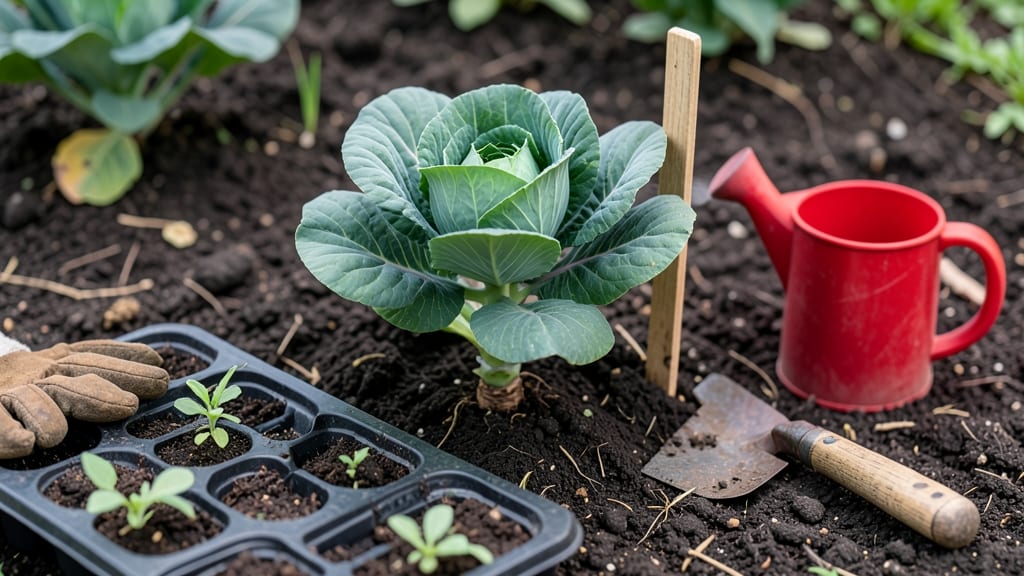
Timing when to plant cabbage in Maryland’s Zone 7b can mean the difference between a bumper crop and bolted greens—because those frost dates aren’t just numbers, they’re your gardening lifeline.
Get the schedule wrong, and you’ll either watch your seedlings freeze or struggle through summer heat that turns heads bitter. But here’s the good news: with Maryland’s two ideal windows—spring (March 15–April 15) and fall (August 15–September 15)—you can actually harvest crisp, sweet cabbage twice a year.
What makes Maryland’s climate tricky isn’t just the frost—it’s the unpredictable swings between mild winters and scorching summers. That’s why succession planting every 2–3 weeks after your first window is the secret weapon for gardeners here.
I’ll show you exactly how to stretch your harvest from June through November, even when the weather throws curveballs.
You don’t need a green thumb to pull this off—just a few smart tricks, like choosing the right varieties that handle Maryland’s heat and humidity, and knowing when to transplant seedlings for maximum success.
Let’s break down the exact steps to turn your garden into a cabbage powerhouse, no guesswork required.
The key? Frost-date math that accounts for Maryland’s 165-day growing season and the fact that cabbage hates both cold snaps and sweltering afternoons. By the end, you’ll know exactly when to plant, how to protect your crops, and which mistakes to avoid—so you can enjoy homegrown 🥬 all season long.
Maryland cabbage planting calendar: frost dates and seasonal windows
Maryland’s Zone 7b climate means your cabbage planting window is short but critical—just 4-6 weeks before the last frost (typically April 15–May 1). Miss this, and you’ll risk bolting from heat or frost damage to young plants.
The key is understanding how Maryland’s unpredictable spring weather affects both direct sowing and transplant timing.
For spring cabbage, start seeds indoors 6-8 weeks before your last frost date (around February 15–March 1) to ensure sturdy seedlings ready for transplanting. If you’re direct sowing, wait until March 20–April 15 when soil temps hit 40°F+.
Fall plantings are equally time-sensitive—seedlings must be in the ground by August 15 to mature before first frost (Nov 15).
Here’s the visual breakdown of Maryland’s cabbage planting calendar, including adjustments for early/late frost years:
| Season | Planting Window | Key Tasks | Notes for Maryland |
|---|---|---|---|
| Spring | Indoors: Feb 15–Mar 1 Outdoors: Mar 20–Apr 15 |
Start seeds indoors Transplant after last frost Direct sow when soil is 40°F+ |
Use row covers for late frosts Choose early-maturing varieties (60–70 days) |
| Summer | N/A (Too hot) | — | Cabbage bolts in 80°F+ heat Use shade cloth (30–50%) if attempting |
| Fall | Indoors: Jul 1–Aug 1 Outdoors: Aug 15–Sep 15 |
Start seeds indoors Transplant by Aug 15 Direct sow by Sep 1 |
Prioritize late-maturing varieties (80–100 days) Harvest before first frost |
| Adjustments | Early frost? Late frost? |
Plant 2 weeks earlier Use row covers |
Check local frost alerts Have backup row covers ready |
Maryland gardeners often make two critical mistakes: planting too early and risking frost damage, or waiting too long and facing summer heat. For spring plantings, aim for mid-April as your cutoff—any later, and your cabbage may bolt before forming heads.
In fall, August 15 is your deadline; after that, days shorten too quickly for maturity.
Pro tip: Use Maryland’s 165 frost-free days to your advantage. For spring cabbage, choose varieties that mature in 60–70 days (e.g., ‘Golden Acre’ or ‘Early Jersey Wakefield’). For fall, opt for 80–100-day varieties like ‘Late Flat Dutch’ or ‘Hubbard’. This ensures you harvest before first frost.
If you’re new to cabbage in Maryland, start small with 4–6 plants to test your timing. Keep a planting journal to track when you sow, transplant, and harvest—this helps refine your schedule year after year.
For example, my 2023 spring cabbage bolted because I planted on April 20 during a heatwave, but my fall crop thrived with August 10 transplants.
Don’t forget Maryland’s humidity can promote disease like clubroot or downy mildew. To mitigate this, practice crop rotation (avoid planting cabbage in the same spot yearly) and amend soil with compost to improve drainage. A 3-inch mulch layer of straw also keeps soil moist and reduces fungal spores.
For direct sowing in Maryland, plant seeds ½ inch deep and 18 inches apart in rows 24 inches apart. If transplanting, harden off seedlings for 7–10 days before moving them outdoors. This gradual adjustment prevents shock and gives your cabbage a stronger start in Maryland’s variable spring weather.
Finally, always check Maryland’s local frost dates—they can vary by 1–2 weeks from the average. Use resources like the Maryland Department of Agriculture or Almanac frost calculators
How to extend your cabbage harvest in Maryland: succession planting secrets
Maryland’s short growing season can feel like a race against time for cabbage lovers. But by using succession planting, you can stretch your harvest from early summer through crisp fall.
The secret? Planting new seeds every 2–3 weeks to ensure a steady supply of fresh heads—no more sad, wilted cabbage left in the garden too long!
Start your first round 4–6 weeks before your last frost date (typically mid-March to early April in Maryland). Then, every 2 weeks, sow another batch. This keeps your garden productive and your kitchen stocked with firm, sweet cabbage when you need it most.
For fall crops, begin in mid-August to avoid bolting before the first frost.
🌱 Pro Tip: Use shade cloth during Maryland’s scorching summer months (July–August) to protect seedlings from heat stress. Even just 30% shade can make the difference between thriving plants and bolted greens.
| Planting Window | Action | Notes |
|---|---|---|
| March 15–April 15 | Direct sow or transplant seedlings | Avoid late frosts with row covers |
| April 15–May 15 | Sow every 2 weeks | Harvests ready by June–July |
| August 15–September 15 | Transplant fall seedlings | Use heat-tolerant varieties |
Don’t let Maryland’s late spring frosts catch you off guard. If temperatures dip below 28°F, cover young plants with frost blankets or row covers. Even a light frost can damage tender seedlings, so always check the National Weather Service for alerts.
For extra protection, choose cold-hardy varieties like ‘Early Jersey Wakefield’ or ‘Golden Acre’—they handle Maryland’s chill better than others.
💧 Watering Hack: After transplanting, water deeply every 2–3 days to help roots establish. Mulch with straw or shredded leaves to retain moisture and suppress weeds. This is especially critical in Maryland’s humid summers, where inconsistent watering can lead to cracked heads or bitter flavors.
By mastering succession planting, you’ll enjoy fresh cabbage for months—no more rushing to harvest before the heat sets in or the frost arrives. Plan your schedule now, and your garden will thank you with bountiful, homegrown heads all season long!