
Plants
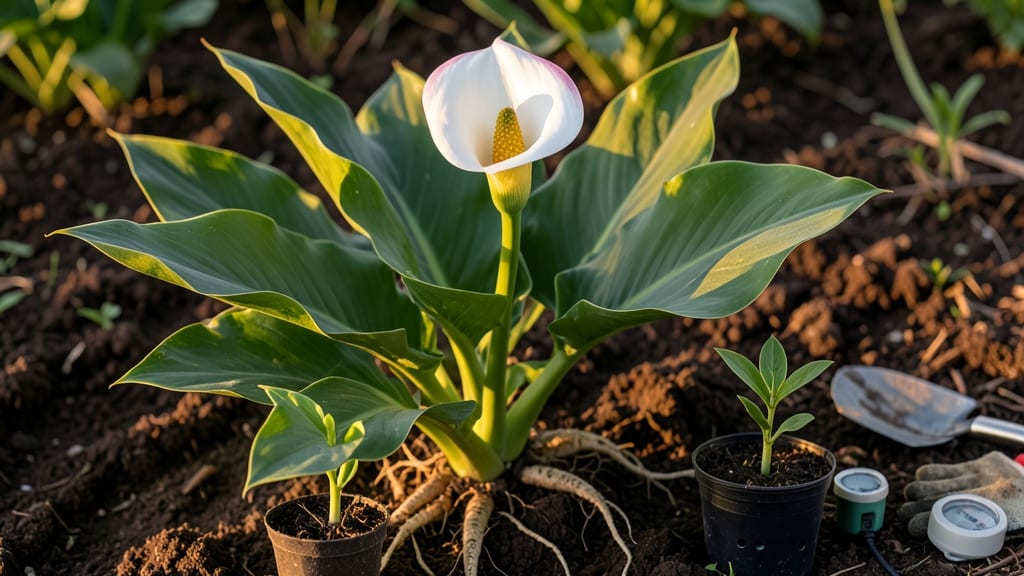
If you're dreaming of bold, tropical-looking blooms like calla lilies 🌸 lighting up your Zone 5 garden, timing your planting is the secret weapon you can't afford to miss.
Zone 5's unpredictable spring weather means planting too early risks frost damage, while waiting too long can leave your calla lilies struggling to establish roots before summer heat arrives.
The difference between vibrant summer blooms and disappointed gardeners often comes down to knowing exactly when to plant those rhizomes for maximum success.
I've tested the perfect window—late spring to early summer (May through early June)—and I'll walk you through exactly what to look for in terms of soil temperature, frost risk, and local microclimates that can make or break your calla lilies' first season.
From soil prep to post-planting care, you'll discover the 5 critical factors that determine whether your calla lilies thrive or fail in Zone 5's challenging climate. Let's get those rhizomes in the ground at the perfect moment!
Zone 5 calla lily planting timeline: when to plant for frost-free success
Calla lilies thrive in Zone 5 when planted at the perfect moment—after the last frost date (typically mid-May) but before summer’s intense heat arrives. The ideal window is late May to early June, giving your tubers time to establish roots before blooming season begins.
Missing this window risks frost damage or stunted growth, so let’s break down the exact timing and conditions for success.
Zone 5’s unpredictable frosts make timing critical. Unlike tropical plants, calla lilies can’t handle below 20°F temperatures, so planting too early is a gamble. Meanwhile, waiting too late cuts short their 120-150 day growth cycle, leading to fewer blooms.
The key is aligning planting with soil warmth (60°F+) and daylight hours (14+ hours)—both signals that summer is truly here.
For Zone 5 gardeners, the late May to early June window offers the best balance of safety and growth potential. This aligns with when soil temperatures consistently hit 60°F+—the minimum calla lilies need to break dormancy.
Use a soil thermometer to confirm: if it’s cooler, wait a week or two. Pro tip: Plant in partial shade (4-6 hours of sun) to prevent heat stress during Zone 5’s humid summers.
Some gardeners attempt fall planting (August-September) in Zone 5, but this is risky. Calla lilies need 120-150 days to mature, and planting late leaves little time before first frost (October 1).
If you try fall planting, choose early-maturing varieties like ‘Black Star’ and plant 6-8 weeks before frost—but expect smaller blooms. Spring planting is far more reliable for bold, long-lasting flowers.
Local microclimates can shift your ideal planting date by 1-2 weeks. Areas near large bodies of water (like the Great Lakes) stay cooler longer, while urban heat islands warm up faster. Check your local frost date averages (via Almanac.com) and adjust accordingly.
For example, Chicago’s last frost often arrives May 15, while Pittsburgh’s can be as late as May 25—plant accordingly.
Once you’ve nailed the timing, focus on soil prep. Calla lilies demand well-draining, slightly acidic soil (pH 6.0-7.0). Amend heavy clay soils with compost or sand to prevent root rot.
Plant rhizomes 4-6 inches deep, with the eyes facing upward. Water deeply after planting to settle the soil, then maintain 1-2 inches of mulch to retain moisture and regulate temperature.
After planting, monitor for new shoots (a sign of success) and adjust watering to keep soil consistently moist but not soggy. In Zone 5’s hot summers, water in the early morning to reduce fungal risks.
Fertilize lightly with a balanced 5-10-10 formula when shoots reach 3-4 inches tall, then again when blooms appear. This timing ensures your calla lilies have the nutrients they need without overstimulating growth too early.
Remember: patience pays off. Calla lilies planted at the right time in Zone 5 reward you with stunning blooms from August through October
Zone 5 calla lily planting timeline: when to plant for frost-free success
In Zone 5, calla lilies thrive when planted after the last frost date—typically around mid-May—but soil temperature plays a bigger role than calendar dates. These tropical plants need consistent warmth (60°F+) to sprout, so waiting for both frost-free conditions and warm soil is key.
Planting too early risks frost damage, while waiting too long may delay blooms until late summer.
Calla lilies are rhizomatous perennials, meaning they grow from underground tubers. Unlike annuals, they need time to establish roots before summer heat arrives. Aim to plant 4-6 weeks before peak summer temperatures (usually late May to early June) to give them a strong start.
This timing ensures they bloom from July through September, extending your garden's seasonal interest.
| Planting Window | Key Conditions | Zone 5 Timeline |
|---|---|---|
| Spring Planting | Soil temp: 60°F+ Frost-free zone |
Late May - Early June |
| Fall Planting | Soil temp: 55°F+ 6+ weeks before frost |
Mid-September |
| Peak Blooming | Daylight: 12+ hours Warmth: 70°F+ |
July - September |
*Timing varies by microclimate—check local frost dates!
For spring planting, test soil temperature with a thermometer—it should stay above 60°F for 5+ days before planting. In Zone 5, this often aligns with late May, but urban areas may warm faster than rural spots.
If you're unsure, use black plastic mulch to warm the soil 2-3 weeks earlier. This trick works wonders for extending the growing season in cooler microclimates.
Fall planting is riskier in Zone 5 but possible if you plant 6+ weeks before first frost (typically by mid-September). Choose hardy varieties like Zantedeschia aethiopica, which tolerate cooler soils better.
Mulch heavily with straw or leaves to insulate tubers through winter. This method lets you enjoy early blooms the following year without spring planting.
Pro tip: Pre-soak rhizomes for 24 hours before planting to jumpstart growth. Place them in lukewarm water with a rooting hormone to encourage faster root development. This simple step can shave 2-3 weeks off your calla lilies' establishment time, giving them a competitive edge in Zone 5's short growing season.
Remember, calla lilies hate soggy soil. Amend your planting area with compost and perlite to ensure drainage. In Zone 5's humid summers, poor drainage leads to root rot, which can kill plants within weeks.
Elevate beds slightly or plant on mounds to prevent waterlogging—this small adjustment makes all the difference in survival rates.