
Plants
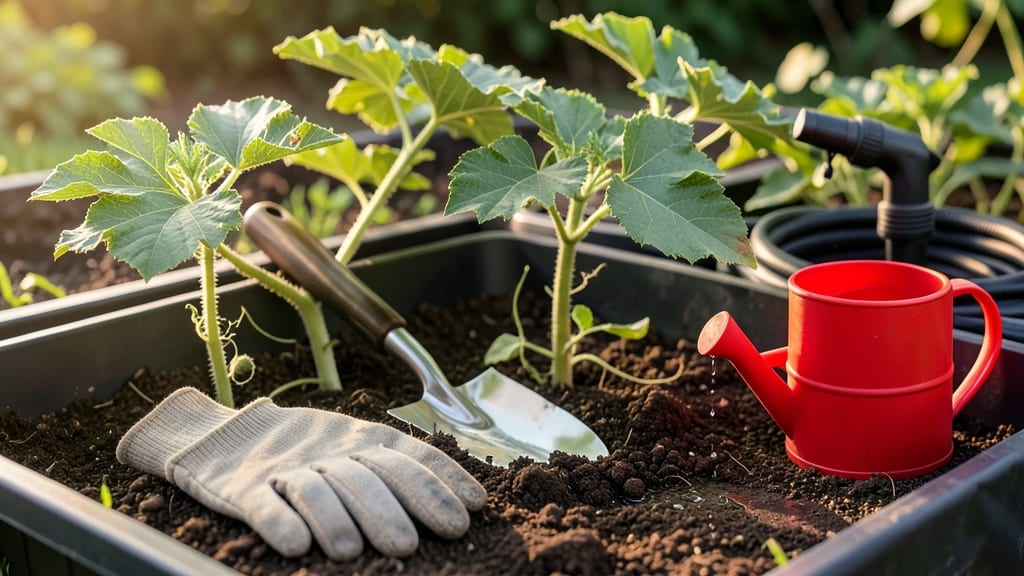
Timing your 🍈 cantaloupe planting in Michigan can make or break your harvest—get it wrong, and you might end up with bitter fruit or no fruit at all.
With USDA zones 5b-6b and unpredictable spring weather, knowing exactly when to plant is the key to sweet, ripe melons by summer's end.
Most Michigan gardeners wait until mid-April to mid-May, but soil temperature matters more than the calendar. Cantaloupes thrive when the ground reaches at least 70°F, which usually happens after the last frost—typically around late May in most areas.
Whether you're starting seeds indoors or transplanting seedlings, this guide breaks down the perfect planting window for your zone. We'll also cover the best varieties for Michigan's climate and how to avoid common mistakes that waste your time and effort.
Ready to grow cantaloupes that burst with flavor? Let's dive into the exact timeline and tips you need to succeed—no guesswork required.
Michigan frost-free planting zones & cantaloupe timeline by month
Michigan’s USDA zones 4-6 create unique challenges for growing cantaloupe, but timing your plantings correctly can mean the difference between a bountiful harvest and wasted effort. Cantaloupes thrive in warm soil and long summer days, so knowing your exact last frost date and soil temperature thresholds is critical.
Most Michigan gardeners should aim to plant cantaloupe after May 15, once nighttime temperatures consistently stay above 50°F. However, northern regions like zone 4b may need to wait until June 1 to avoid frost damage.
Let’s break down the exact planting windows by month and zone to ensure your cantaloupes get the best possible start.
🌱
| Zone | Last Frost Date | Soil Temp Requirement | Ideal Planting Window | Harvest Window |
|---|---|---|---|---|
| 4b (Northern MI) | Mid-May | ≥70°F | June 1 - June 15 | Late July - Early Aug |
| 5a (Central MI) | Early May | ≥70°F | May 15 - May 31 | July - Mid-Aug |
| 5b (Southeast MI) | Late April | ≥70°F | May 1 - May 15 | Late June - Sept |
| 6a (Southwest MI) | Mid-April | ≥70°F | April 20 - May 10 | June - Late Aug |
🌡️ Pro Tip: Use a soil thermometer to confirm soil warmth before planting—cantaloupes won’t germinate below 70°F.
For gardeners in zone 6a, like those in southwest Michigan, you can push the envelope slightly by planting early May if you use row covers or a greenhouse to protect seedlings from late frosts.
However, cantaloupes are heat-loving plants, so even in warmer zones, avoid planting before soil temperatures stabilize above 70°F.
If you’re growing cantaloupe in containers, you’ll need to plant 2-3 weeks later than in-ground plantings because potted soil cools faster. Containers also require daily watering and morning sunlight exposure to compensate for their limited root space.
💧
One common mistake Michigan gardeners make is planting cantaloupe too early and then dealing with stunted growth or failed germination when cold snaps hit. To avoid this, always check your local Almanac frost dates and wait until nighttime lows stay above 55°F before transplanting seedlings.
For those in northern Michigan, consider starting seeds indoors in March and transplanting after Memorial Day. Use grow lights to give seedlings 14-16 hours of light daily until they’re ready to move outside. This head start can extend your harvest window by 2-3 weeks.
🌿
Remember, cantaloupes need 60-90 days to mature, so calculate backward from your first expected frost date (typically mid-October in Michigan). If you’re aiming for a July harvest, you’ll need to plant by early June in zone 4b or by mid-May in zone 6a.
Finally, always choose disease-resistant varieties suited to Michigan’s humid climate. Varieties like ‘Athena’ and ‘Hale’s Best’ handle Michigan’s variable weather better than tropical varieties. We’ll cover the best cantaloupe picks for Michigan in the next section!
Michigan frost-free planting zones & cantaloupe timeline by month
Michigan’s USDA zones 4-6 create a tight window for growing cantaloupes, but timing is everything. Cantaloupes thrive in warm soil (70°F+) and need 120-150 frost-free days to mature. In most of Michigan, this means planting after mid-April—but not too late, or your harvest will arrive when fall frost hits.
Northern Michigan (zones 4-5) has the shortest season, while southern regions (zones 5b-6b) can push planting slightly later. The key is matching your variety’s maturity to your local frost dates. For example, ‘Athena’ (70 days) works in the north, while ‘Hale’s Best’ (85 days) needs southern Michigan’s longer summer.
Here’s your month-by-month planting timeline for Michigan, including soil temperature checks and transplant windows:
| Zone | Last Frost Date | Soil Temp Requirement | Transplant Window | Harvest Window |
|---|---|---|---|---|
| 4 (Upper Peninsula) | Mid-May | 70°F+ (late May) | Late May – Early June | Late July – Early Aug |
| 5a (Northern Lower) | Early May | 70°F+ (early May) | Mid-May – Late May | Late July – Mid-Sept |
| 5b (Central) | Mid-April | 70°F+ (late April) | Early May – Mid-May | June – Late Sept |
| 6a (Southern) | Early April | 70°F+ (mid-April) | Late April – Early May | July – Early Oct |
| 6b (Thumb/Southeast) | Late March | 70°F+ (early April) | Early April – Mid-May | June – Mid-Oct |
Pro tip: Use a soil thermometer to confirm warmth before planting. Cold soil (<60°F) delays germination and invites rot. In cooler zones, consider black plastic mulch to warm the soil faster—this can shave off 1-2 weeks of waiting time.
For northern Michigan, direct sowing (planting seeds outdoors) is riskier due to late frosts. Instead, start seeds indoors 3-4 weeks before your last frost date, then transplant hardened-off seedlings after soil warms. Southern zones can direct-sow as early as late April if nights stay above 50°F.
Remember: Cantaloupes need consistent warmth to thrive. If your summer cools unexpectedly (like Michigan’s infamous June rains), opt for earlier-maturing varieties to avoid frost-related losses. A well-timed harvest in July-August ensures sweet, ripe fruit before fall sets in.