
Plants
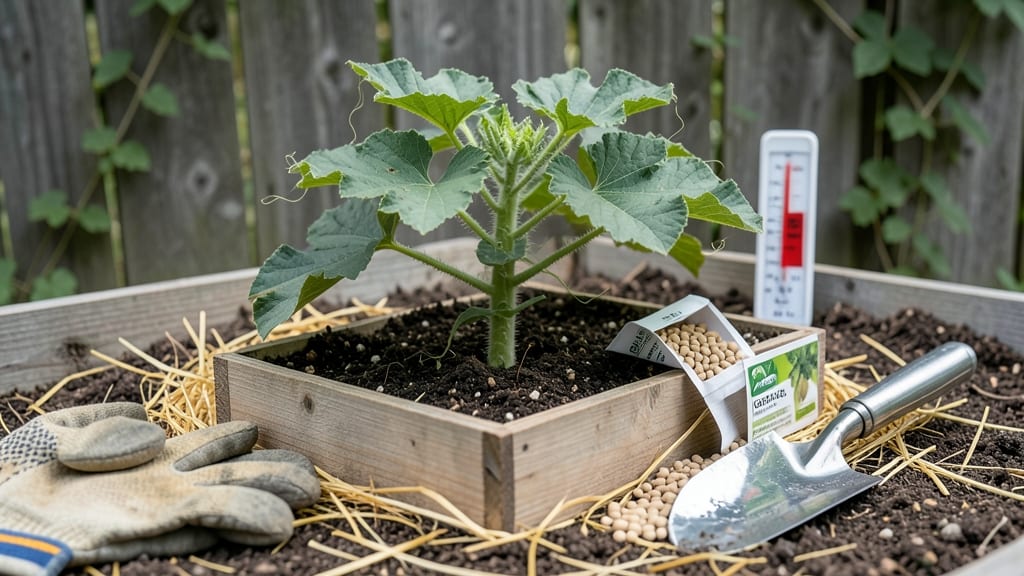
When to plant cantaloupe seeds in Texas isn't just about avoiding frost—it's about outsmarting the state's brutal summer heat that can turn your vines into crispy snacks before they fruit. With last frost dates ranging from mid-February in South Texas to mid-March in North Texas, you've got a narrow window of just 3 months to get seeds in the ground when soil temps hit that sweet spot of 70°F+.
I've learned the hard way that planting too early means frost damage, while waiting too long risks your cantaloupes 🍈 wilting under 100°F+ afternoons. The key is understanding your specific heat zone—whether you're in 8a central Texas or 9b Gulf Coast territory
What you're about to discover will save you from empty vines and bitter melons. I'll break down the exact planting windows by region, plus pro tips for extending your growing season with shade cloth and soil warming hacks that actually work in Texas' unpredictable climate. Ready to turn your Texas garden into a cantaloupe powerhouse? Let's get those seeds in the ground at the perfect moment—before the heat wins the battle for your harvest.
Texas heat zones & ideal cantaloupe planting dates by region
Texas spans 11 USDA heat zones, from 8a in North Texas to 9b along the Gulf Coast. These zones dictate your cantaloupe planting window—get it wrong, and you’ll either lose seedlings to frost or struggle with heat stress.
The key? Plant when soil temps hit 70°F+ and frost risk drops to zero.
In North Texas (zones 8a-8b), like Dallas or Fort Worth, aim for mid-April to early May after the last frost (typically March 15). Central Texas (zones 8b-9a), including Austin and San Antonio, can start late March to mid-April, while South Texas (zones 9a-9b), like Houston or Corpus Christi, enjoys an earlier window—February to early March.
Pro tip: Use a soil thermometer to confirm readiness. Cold soil delays germination, and cantaloupes hate waiting. If your soil isn’t warm enough, try black plastic mulch to speed up heating—it can add 5-10°F to soil temps in just days.
⚠️ Critical Deadline: Avoid planting after early June in most of Texas. By July, 100°F+ temps can cause blossom drop and poor fruit set. Instead, opt for late-summer varieties or use shade cloth (30-50%) to protect vines.
🌱 Texas Cantaloupe Planting Guide by Region
| Region | USDA Zone | Last Frost Date | Ideal Planting Window | Soil Temp Requirement | Harvest Window |
|---|---|---|---|---|---|
| North Texas (Dallas/Fort Worth) | 8a-8b | Mid-March | Mid-April to early May | 70°F+ | July - August |
| Central Texas (Austin/San Antonio) | 8b-9a | Late February | Late March to early April | 70°F+ | June - September |
| South Texas (Houston/Corpus Christi) | 9a-9b | Early February | February to early March | 70°F+ | May - October |
| West Texas (El Paso/Midland) | 8a-7b | Early March | Late April to May | 75°F+ | July - August |
✅ Note: Adjust for microclimates—urban areas may frost later than rural zones.
For urban gardeners in cities like Austin or Dallas, heat islands can push planting dates 1-2 weeks earlier due to warmer microclimates. Monitor local weather stations or use the National Weather Service’s frost prediction maps to fine-tune your schedule.
If you’re in North Texas and worried about late frosts, consider starter plants instead of seeds. Transplant 4-6 week old seedlings after May 1 to avoid frost damage.
For South Texas, you can even squeeze in a fall planting (late July) for a winter harvest—just use shade cloth to protect from early heat spikes.
Remember: Cantaloupes need 75-90 days to mature. Planting too late means small, underripe fruit before the first frost. Use this rule of thumb: Count backward from your first frost date (e.g., November 15 in North Texas minus 90 days = August 15 as your latest planting deadline).
🌱 For container growers, black pots absorb heat faster than plastic. Place them on dark-colored pallets or use heat-absorbing mulch to mimic in-ground soil warming. Containers also dry out faster, so water daily in summer to prevent stress.
Texas heat zones & ideal cantaloupe planting dates by region
Texas spans 11 USDA heat zones (8a-10b), meaning your cantaloupe planting window varies dramatically from the Panhandle to the Gulf Coast. In North Texas (8a), wait until after April 15 when soil temps hit 70°F+—frost risk lingers until mid-March.
Meanwhile, South Texas (9b-10a) gardeners can start as early as mid-February, but avoid planting after June 1 to prevent heat stress before fruiting.
Central Texas (8a-9a) offers the best balance: aim for March 15-April 30 planting. Use black plastic mulch to warm soil faster in cooler zones like Lubbock (8a), while Houston (9a) gardeners can stretch planting to May 15 with shade cloth protection.
| Region | USDA Zone | Last Frost Date | Planting Window | Soil Temp Requirement |
|---|---|---|---|---|
| North Texas | 8a | March 15 | April 15-May 15 | 70°F+ |
| Central Texas | 8a-9a | March 1-Feb 15 | March 15-April 30 | 70°F+ |
| South Texas | 9b-10a | February 15 | Feb 15-May 15 | 75°F+ |
| Gulf Coast | 10a | January 31 | Feb 15-June 1 | 75°F+ |
For urban gardeners in Dallas-Fort Worth (8a), consider container growing with heat-resistant varieties like 'Athena'—plant seeds in biodegradable pots after May 1 to avoid late frosts. Rural areas with well-drained soil can direct-sow seeds ½ inch deep, spacing them 2 feet apart in hills for better drainage.
Pro tip: Use a soil thermometer to confirm 70°F+ soil temps before planting—cantaloupe seeds won’t germinate below 60°F. In East Texas (9a), where humidity is high, opt for resistant varieties like 'Hale's Best' and plant in raised beds to improve airflow and reduce fungal diseases.
Microclimates matter! Hill Country elevations (8a) may need 2-3 weeks later than valley areas like San Antonio (9a). Always check your local AgriLife Extension for hyper-local frost data—Texas’ 11 zones create wildly different growing conditions even within 50 miles.
Remember: Cantaloupes need 90-120 frost-free days to mature. In North Texas (240-day growing season), plant late April for a July-August harvest. In South Texas (300+ days), you can squeeze in two plantings: February and June for staggered harvests through October.