
Plants
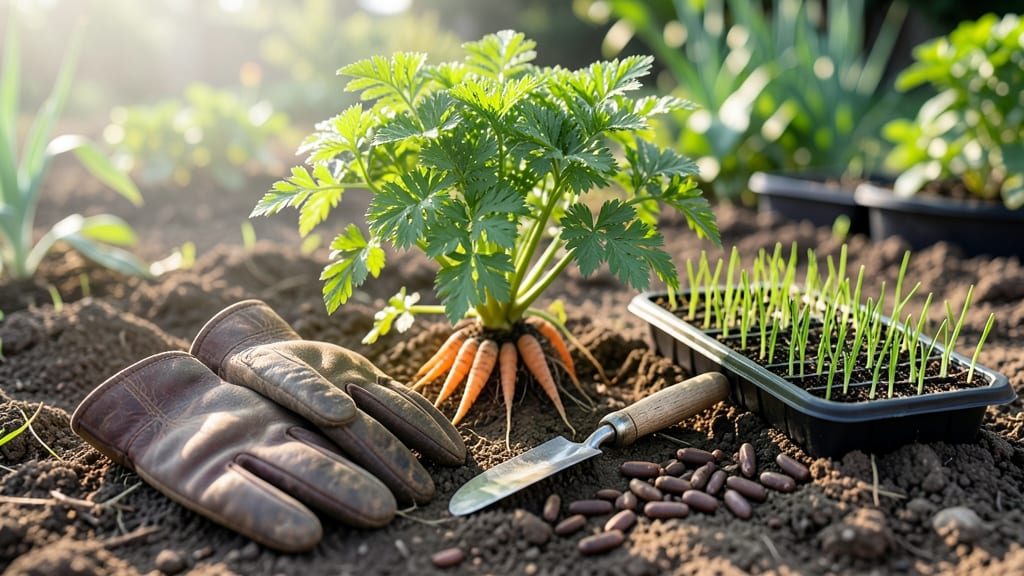
If you’ve ever wondered when to plant carrots in South Louisiana and ended up with bitter, stunted roots instead of sweet harvests, you’re not alone. The key to success here isn’t just patience—it’s knowing the exact timing to plant them when the heat and humidity won’t sabotage your garden.
Unlike cooler climates, South Louisiana’s 8b-9a zone demands a different approach. Plant too early, and the summer heat will bolt your carrots before they even form. Plant too late, and you might miss the ideal window entirely. The solution? A strategic schedule that plays to the region’s unique conditions.
In this guide, I’ll break down the perfect planting windows—from late July to early September for fall harvests or February to early March for spring—plus the heat-tolerant varieties that actually thrive here.
You’ll also discover how to prep your soil, avoid common pests like nematodes, and maximize your yield with simple tricks.
Ready to grow carrots that are crisp, sweet, and ready to harvest? Let’s get started with the timing and techniques that work in our humid subtropical climate.
Best planting windows for carrots in South Louisiana’s hot climate
South Louisiana’s humid subtropical climate (USDA zones 8b-9a) means timing is everything for carrots. Plant too early, and the heat will bolt your seeds. Too late, and you’ll miss the fall harvest window.
The key is cool-season planting when soil temps stay below 75°F—either in late winter/early spring or late summer/early fall.
Most gardeners in Louisiana focus on two main planting windows: February–March for spring harvests and August–September for fall yields. These months give carrots enough time to mature before summer’s extreme heat or winter’s chill sets in. Succession planting every 2–3 weeks within these windows ensures a steady supply.
Here’s the critical timeline to avoid common pitfalls like forked roots (from rocky soil) or bitter flavor (from heat stress):
For raised beds, you can push the fall window slightly later (up to October 1) because the soil stays warmer longer. In-ground planting, however, requires earlier starts to avoid heat stress. Test soil temps with a thermometer—carrot seeds need 55–75°F soil to germinate properly.
If you miss the fall window, consider container growing with black plastic mulch to warm the soil faster in spring. This lets you plant 2–3 weeks earlier than traditional in-ground methods. Just ensure containers have drainage holes to prevent rot in Louisiana’s humid climate.
Another pro tip: Direct-sow seeds—never transplant seedlings. Carrots hate root disturbance, and Louisiana’s heat makes them even more sensitive. Use a seed starter kit or plant seeds 1/4 inch deep in rows spaced 12 inches apart for easy thinning.
Watch for nematodes and fungal diseases, which thrive in Louisiana’s humidity. Rotate planting locations yearly and avoid planting carrots where potatoes or tomatoes grew the previous season. Companion planting with leeks or rosemary can deter pests naturally.
Finally, harvest before frost (typically by December 1 in Louisiana). Carrots left in the ground too long become woody and lose sweetness. Store harvested carrots in sandy soil in a cool, dark place for up to 3 months—or enjoy fresh harvests while they last!
Best planting windows for carrots in South Louisiana’s hot climate
South Louisiana’s humid subtropical climate (USDA Zones 8b-9a) means carrots thrive best during cooler months when temperatures stay below 85°F. Planting at the wrong time leads to bolting (premature flowering) or poor germination due to heat stress.
My strategy? Focus on fall and early spring windows when soil temps hover between 60°F-70°F—ideal for carrot seeds to sprout reliably.
For fall harvests, aim to sow seeds between late July and early September. This gives roots time to mature before Louisiana’s first frost (December 1).
Spring planting should start February 15 to early March, right after the last frost date, to avoid stunted growth from lingering cold snaps. Timing is critical—miss these windows, and you’ll battle nematodes or fungal diseases common in summer heat.
| Season | Planting Window | Soil Temp (°F) | Harvest Time | Key Tip |
|---|---|---|---|---|
| Fall | Late July–Early September | 60–70°F | October–November | Use shade cloth if temps exceed 80°F |
| Spring | February 15–Early March | 65–75°F | April–May | Avoid heavy clay soil—amend with compost |
| Winter (Optional) | November (cold-hardy varieties) | 50–60°F | January–February | Mulch heavily to protect from freeze-thaw cycles |
Pro tip: Succession planting every 2 weeks in fall extends your harvest. For example, sow a batch in late July, another in early August, and a final one by mid-August.
This staggered approach ensures a steady supply of fresh carrots while avoiding overcrowded beds. In my garden, this method doubled my yield compared to a single planting!
If you’re raised bed gardening, warm up soil faster by covering beds with black plastic mulch 1–2 weeks before planting. This trick lets me start seeds 2–3 weeks earlier in spring, giving me an edge over in-ground plantings. Just remove the mulch right before sowing to prevent overheating.
Watch for soil temperature spikes after 90°F—carrot seeds won’t germinate well above this threshold. Use a soil thermometer to monitor conditions. I once planted in mid-September when temps hit 92°F, and germination dropped to 30%. Lesson learned: Wait until soil cools below 85°F for reliable sprouts.
For extended harvests, try winter planting with cold-hardy varieties like ‘Chantenay Red Core’. Sow seeds in November under row covers to protect from light frosts. These carrots mature slowly but stay sweet through January–February, giving you homegrown veggies when store-bought options dwindle.