
Plants
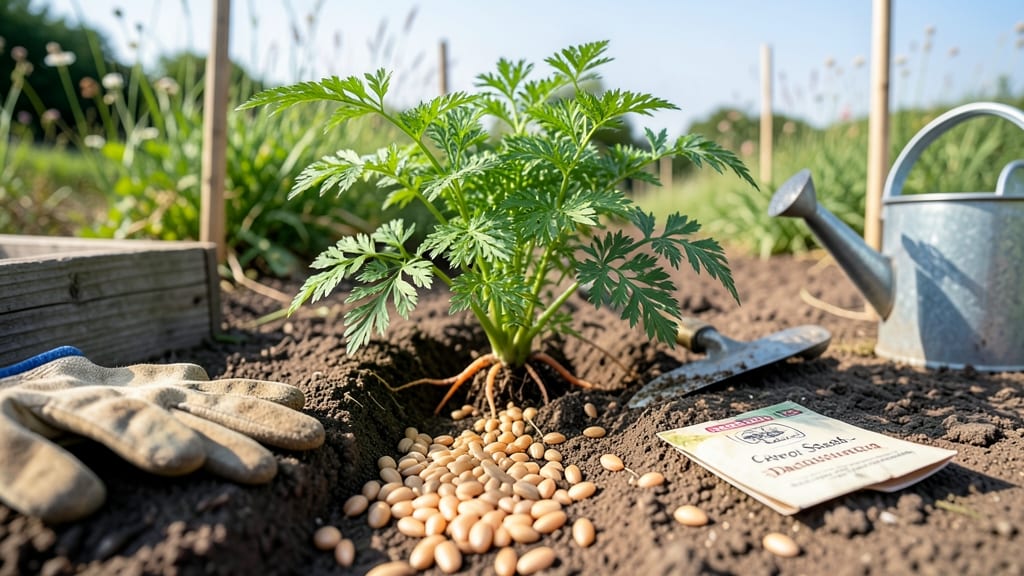
Knowing when to plant carrots in Zone 5b can mean the difference between a bountiful harvest of sweet, crisp 🥕 and a garden full of tough, woody roots.
With just 165 frost-free days, timing is everything—plant too early, and frost will nip your seedlings, while waiting too long risks stunted growth.
Most gardeners in Zone 5b get it right by starting seeds indoors in early March or sowing directly in late March to early April, once soil temperatures hit 50°F.
But there’s more to it than just picking a month—soil conditions, frost dates, and even succession planting can stretch your harvest from May through September.
What if you want to try a second planting? Late summer (July-August) works for a fall crop, but you’ll need to protect seedlings from early frosts. I’ll show you how to extend your growing season with simple tricks that actually work in Zone 5b’s unpredictable climate.
Whether you’re a first-time gardener or a seasoned pro, these practical timing tips will help you grow carrots that are perfectly tender and ready to harvest—without the guesswork. Let’s get your garden on track for success.
Optimal carrot planting schedule for Zone 5b: month-by-month guide
In Zone 5b, carrots thrive when planted during two key windows: early spring and late summer. The last frost date around April 15 signals the start of your spring planting season, while July-August offers the perfect window for fall harvests.
Understanding these windows ensures you avoid frost damage and woody roots from late planting.
Carrots need soil temperatures of at least 45°F (7°C) to germinate. In Zone 5b, this typically aligns with mid-March to early April for spring plantings. For fall crops, aim for late July to early August to allow roots to mature before the first frost on October 15.
This timing maximizes your 165-day frost-free window.
Here’s a quick reference for your planting schedule:
| Season | Planting Window | Soil Temp Requirement | Harvest Window | Key Tip |
|---|---|---|---|---|
| Spring | Mid-March to early April | 45°F (7°C) | Late May to July | Use row covers for early starts |
| Summer | Late July to early August | 50°F (10°C) | September to October | Choose shorter varieties for fall |
For continuous harvests, practice succession planting every 2-3 weeks during your spring window. This method ensures you’re always harvesting fresh carrots without overwhelming your garden space. Start with a small test batch in early March to gauge soil readiness and adjust your schedule accordingly.
In Zone 5b, late summer plantings (July-August) are critical for fall harvests. Choose fast-maturing varieties like 'Early Nantes' or 'Paris Market', which can reach harvest size in 50-60 days. These varieties are less likely to turn woody before frost hits.
Always test your soil temperature with a thermometer before planting. If temperatures dip below 45°F (7°C), wait a week or use black plastic mulch to warm the soil faster. This simple step can mean the difference between germination success and wasted seeds.
Remember, carrots prefer loose, well-draining soil free of rocks to prevent forked roots. Amend your soil with compost before planting to improve texture and fertility. In Zone 5b, this preparation is especially important due to the region’s clay-heavy soils in many areas.
If you miss your ideal planting windows, don’t panic! Use row covers or cold frames to extend your season. These tools can push your planting window 2-3 weeks earlier in spring or 1-2 weeks later in fall. Just ensure your carrots have enough time to mature before frost arrives.
Pro tip: Keep a gardening journal to track your planting dates, soil temperatures, and harvest times. Over time, you’ll refine your schedule to perfectly match Zone 5b’s unpredictable weather patterns. This small effort pays off with sweeter, crisper carrots all season long.
Optimal carrot planting schedule for Zone 5b: month-by-month guide
In Zone 5b, your carrot growing season hinges on two critical windows: early spring and late summer. The last frost date (around April 15) and first frost (October 15) create a 165-day frost-free window—perfect for two planting cycles.
Miss these windows, and you risk frost damage or woody roots.
For spring planting, aim for March 15–April 15 when soil reaches 50°F. This ensures roots mature before summer heat. Fall planting should start July 1–August 15 to harvest before frost. Each cycle delivers crisp, sweet carrots with minimal effort.
For succession planting, sow seeds every 2 weeks from April 1 to July 15. This staggered approach ensures a continuous harvest through September. Use shallow furrows (1/4 inch deep) and thin seedlings to 2 inches apart to prevent overcrowding.
In Zone 5b, soil temperature is non-negotiable. Carrots won’t germinate below 50°F, so use a soil thermometer to confirm readiness. If soil is too cold, cover with black plastic for 1–2 weeks to warm it up.
Pro tip: Short-day varieties like 'Danvers' or 'Nantes' thrive in Zone 5b’s climate. Avoid long-day varieties (e.g., 'Chantenay'), which struggle with shorter summer days. Direct sowing is best—carrots hate transplants and bolt easily.
Plan ahead for fall harvests by choosing slow-bolting varieties. If your first frost hits early, use row covers to extend the season by 2–3 weeks. With precise timing, you’ll enjoy homegrown carrots from June through October—no store-bought roots needed!