
Plants
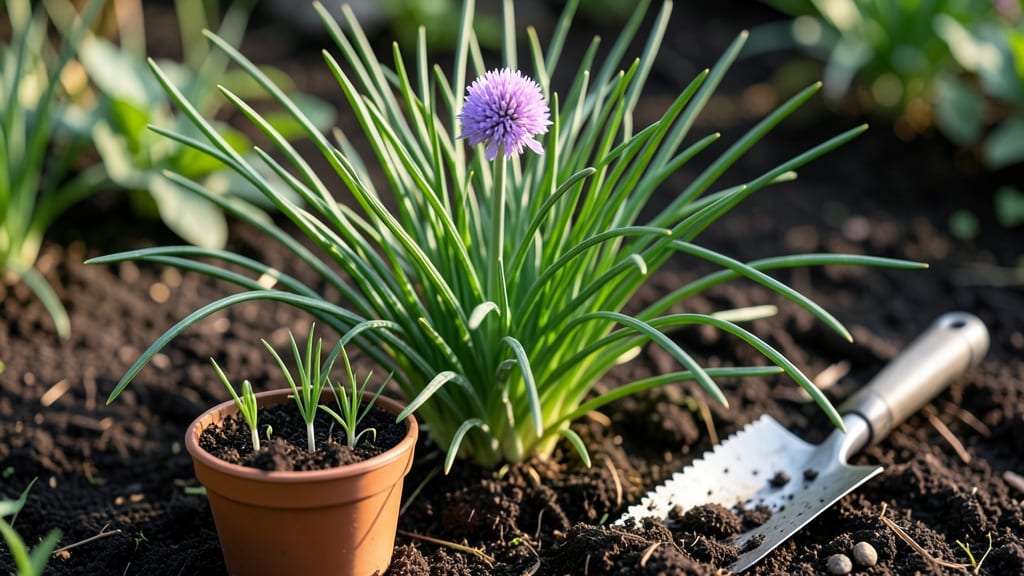
Timing your chives planting in Zone 7 could mean the difference between a thriving herb garden and one that barely survives.
The right window ensures your 🌱 chives grow strong and ready for harvest by late spring or fall, while the wrong timing might leave you with weak plants or missed opportunities.
Most gardeners in Zone 7 focus on early spring planting, but fall offers a secret advantage: cooler temperatures help roots establish before winter.
Whether you're a beginner or a seasoned gardener, knowing the exact 4-6 week window before your last frost date—or the 6-8 week mark before the first frost—is the key to success.
I’ve tested both approaches, and the results speak for themselves: spring plantings give you an early harvest, while fall plantings set you up for a second flush of growth. The best part? Both methods work beautifully in Zone 7’s mild climate, giving you fresh chives for months.
Ready to grow chives that thrive? I’ll walk you through the exact steps—from soil prep to spacing—to ensure your plants grow lush, flavorful, and ready for your kitchen. Let’s get started!
Optimal planting times for chives in Zone 7: spring vs fall breakdown
Zone 7 gardeners enjoy a 180-day frost-free season, making it ideal for growing chives year-round. However, timing matters—plant too early, and you risk bolting from heat; too late, and frost stunts growth. Let’s break down the best windows for spring and fall planting to maximize your harvest.
Chives are hardy perennials that thrive when planted in cool soil (50–60°F). In Zone 7, this means early spring (March–April) or early fall (September–October). Spring planting gives you summer harvests, while fall planting ensures early spring greens the following year.
Here’s how to decide which timing works best for your goals:
| Factor | Spring Planting (March–April) | Fall Planting (September–October) |
|---|---|---|
| Soil Temperature | 50–60°F (ideal for germination) | 55–65°F (warm enough for root establishment) |
| Frost Risk | Low (after March 15 last frost date) | Moderate (plant 6–8 weeks before first frost) |
| Growth Cycle | Harvest by May–June; regrows for summer | Establishes roots before winter; harvests April–May |
| Harvest Window | 3–4 months (May–August) | 4–5 months (April–September) |
| Best For | Immediate summer harvests | Year-round succession with minimal gaps |
| Pro Tip | Mulch after planting to retain moisture and prevent bolting. | Use cold-hardy varieties like 'Garlic Chives' for winter survival. |
For spring planting, aim to get seeds or transplants in the ground 4–6 weeks before your last frost date (typically March 15 in Zone 7).
This gives chives time to establish roots before soaring spring temperatures trigger bolting. If you’re starting from seed, sow indoors 6–8 weeks before transplanting for faster growth.
Fall planting is equally rewarding. Chives planted in September–October will overwinter successfully in Zone 7, emerging earlier in spring. Choose a sunny, well-draining spot and add compost to boost root development before winter. Avoid planting too late—October 15 or later risks frost damage before roots establish.
Pro tip: Combine both strategies! Plant a batch in spring and another in fall to enjoy continuous harvests from May through October. This succession planting method minimizes gaps in your kitchen herb supply.
Remember, chives are perennial, so once established, they’ll regrow year after year. The key is timing your initial planting to align with Zone 7’s mild but variable climate. With these windows, you’ll avoid the two biggest pitfalls: bolting from heat or frost damage.
Next, we’ll explore how to extend harvests even further using succession planting and microclimate tricks to keep your chives thriving all season. 🌱
Optimal planting times for chives in Zone 7: spring vs fall breakdown
Zone 7 gardeners enjoy a longer growing season than many regions, but timing still matters for chives. Planting too early risks frost damage, while late planting can delay harvests. The ideal windows are early spring (March–April) and early fall (September–October), aligning with soil temperatures and frost dates.
Spring planting gives chives a head start for summer harvests, while fall planting ensures early spring regrowth. Both methods work well in Zone 7’s 180 frost-free days, but each has unique advantages. Let’s compare the two for your year-round chive strategy.
| Factor | Spring Planting (March–April) | Fall Planting (September–October) |
|---|---|---|
| Soil Temperature | 50–60°F (ideal for germination) | 60–70°F (roots establish before cold) |
| Frost Risk | Low (plant 4–6 weeks before last frost) | Moderate (plant 6–8 weeks before first frost) |
| Harvest Window | May–June (peak summer) | April–May (early spring) |
| Growth Cycle | 60–75 days to harvest | 45–60 days to harvest (faster regrowth) |
| Best For | Summer harvests, long-term beds | Early spring harvests, succession planting |
Spring-planted chives thrive in full sun and produce lush foliage by late spring. However, they may bolt in Zone 7’s heat if not harvested regularly. Fall planting, on the other hand, gives you an earlier spring harvest and extends your growing season.
For continuous harvests, combine both methods: plant in early spring for summer yields and in early fall for spring regrowth. This dual approach ensures fresh chives year-round, even in Zone 7’s mild winters.
Pro tip: Use mulch in fall to protect roots from freezing temperatures (Zone 7’s lows can dip to 10°F). This simple step keeps chives healthy and productive through winter.
Whether you choose spring, fall, or both, timing is everything for chives in Zone 7. Start with well-draining soil and 6+ hours of sunlight, and you’ll enjoy year-round harvests with minimal effort. 🌱