
Plants
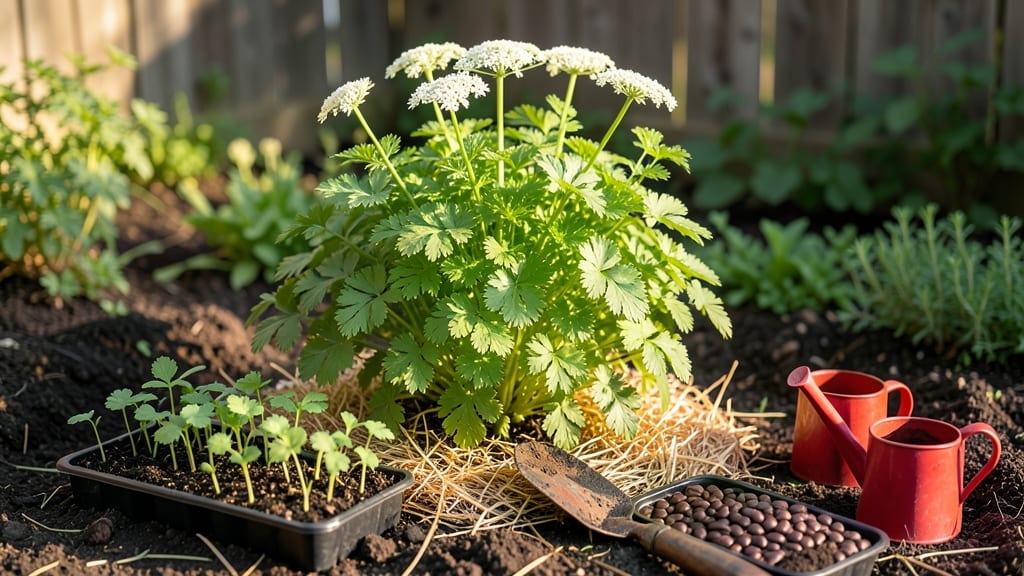
Planting cilantro in Oklahoma might seem tricky with those scorching summers, but timing it right means fresh, flavorful harvests all season long. The key is avoiding the heat—cilantro bolts (and turns bitter) when temperatures climb above 75°F, so early spring and late summer are your best bets for success.
In USDA zones 6b-7a, you’ll want to sow seeds in March-April for spring harvests or August-September for fall crops. This aligns perfectly with Oklahoma’s frost-free window, giving cilantro the cool conditions it craves.
Just remember: patience is key—these little 🌿 plants take 6-8 weeks to mature, so don’t rush the process.
Why does this matter? Because skipping the right timing means wasted effort—or worse, a garden full of bitter leaves instead of the bright, zesty herb you love. I’ll show you exactly how to nail those planting windows, plus pro tips to keep your cilantro thriving until harvest time.
Ready to grow cilantro that tastes fresh and vibrant? Let’s break down the best months, soil tricks, and even how to stretch your growing season—so you can enjoy homegrown cilantro year-round, Oklahoma-style.
Oklahoma’s best planting windows for cilantro (frost dates & soil temps)
Oklahoma’s USDA zones 6b-7a create perfect conditions for cilantro in spring and fall, but timing is critical. The last average frost date is around March 15, while the first frost typically arrives November 15, giving you a 180-day frost-free window.
This means cilantro thrives when soil temps stay between 40°F and 75°F—too hot, and it bolts; too cold, and growth stalls.
For spring planting, aim for early March to mid-April when soil warms to 50°F+.
This gives you harvests from May to June before Oklahoma’s summer heat sets in. Fall planting should begin late August to early September, allowing a second harvest from October to November before frost arrives. These windows align with Oklahoma’s cool-season growing periods when cilantro performs best.
Here’s the key: soil temperature is your best indicator. Use a soil thermometer to confirm 50°F+ for spring starts and 60°F-70°F for fall.
In northern Oklahoma (Zone 6b), you might push spring planting to late February if you use row covers for frost protection, while southern Oklahoma (Zone 7a) gardeners can start as early as February with minimal risk.
| Planting Window | Soil Temp (°F) | Harvest Window | Oklahoma Notes |
|---|---|---|---|
| Early Spring (March-April) | 50°F-65°F | May-June | Start after last frost; use row covers in Zone 6b. |
| Late Summer (August-Sept) | 60°F-70°F | October-November | Plant 6-8 weeks before first frost; shade cloth helps in Zone 7a. |
| Winter (December-February) | 40°F-50°F | Limited growth | Possible in Zone 7a with protection; slow growth. |
Oklahoma’s microclimates add another layer of complexity. Urban areas like Oklahoma City often experience heat islands, where soil warms faster in spring. Test your soil in morning shade for accurate readings.
Meanwhile, rural areas with loamy soil retain moisture better, extending the growing window by 1-2 weeks compared to sandy urban soils.
Pro tip: Succession planting every 2-3 weeks in spring and fall ensures a continuous harvest. For example, plant March 1, March 15, and April 1 for staggered maturity. This works especially well in containers or raised beds, where you can control soil conditions more precisely than in-ground plots.
Watch for false springs—those warm spells in February or early March that trick you into planting too soon. Cilantro seeds won’t germinate below 40°F, and a late frost can wipe out tender seedlings. Wait until nighttime temps stay above 45°F before sowing.
In Zone 6b, this often means waiting until mid-March.
For fall planting, start seeds indoors 6-8 weeks before your target transplant date (early September). This head start helps cilantro establish before Oklahoma’s September heat waveshade cloth (30-50%) to protect seedlings from 90°F+ days, which can cause bolting within 10 days of exposure.
Remember: Cilantro’s flavor peaks when it’s stressed slightly. In Oklahoma’s heat, this means partial shade and consistent moisture are non-negotiable. Skip the summer months entirely—even heat-tolerant varieties like ‘Calypso’ will bolt under Oklahoma’s 100°F+ afternoons.
🌱
Oklahoma’s best planting windows for cilantro (frost dates & soil temps)
Oklahoma’s USDA zones 6b-7a create perfect conditions for cilantro in spring and fall, but summer’s heat will make your plants bolt before you can harvest. The key is planting when soil temps stay between 40-75°F—too hot, and you’ll get bitter leaves or wasted effort.
For most of Oklahoma, the last frost date falls around March 15, while the first frost typically arrives by November 15. This gives you a 180-day frost-free window, but cilantro grows best in the cooler months outside that range.
Here’s the ideal planting schedule based on Oklahoma’s climate zones:
| Season | Planting Time | Soil Temp | Notes |
|---|---|---|---|
| Early Spring | March - April | 40-60°F | Start seeds indoors 4-6 weeks before last frost |
| Late Summer | August - September | 65-75°F | Direct sow 6-8 weeks before first frost |
| Fall | October - November | 50-65°F | Use row covers for light frosts |
Northern Oklahoma (like Oklahoma City) can handle slightly earlier spring plantings, while southern regions (like Tulsa) may need to delay until late March to avoid heat stress. Always check your local frost dates—they can vary by 1-2 weeks annually.
For a continuous harvest, I recommend making two plantings: one in early spring and another in late summer. This way, you’ll have fresh cilantro from May through November, avoiding the summer bolting period entirely.
Pro tip: If you’re in a warmer microclimate (like urban areas with heat islands), opt for shade-tolerant varieties like ‘Calypso’ or ‘Santo’ to extend your growing window by a few weeks.