
Trees
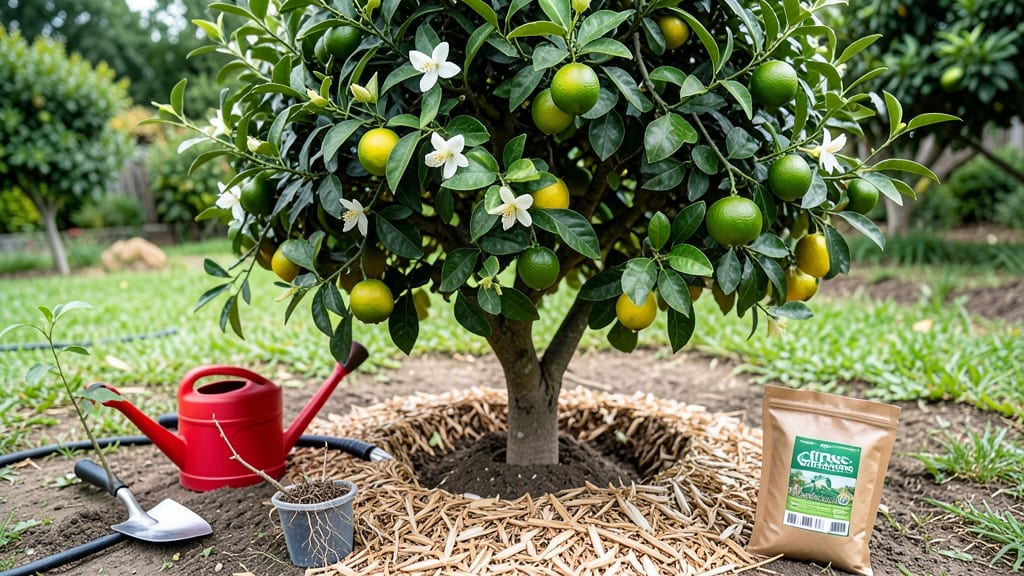
Central Florida citrus planting calendar: frost-free window by heat Zone
Central Florida’s USDA Heat Zones 8b-10a create a unique challenge for citrus growers—while frost is rare, unpredictable cold snaps can still damage young trees. Unlike northern climates, your citrus can technically be planted year-round, but timing matters for survival and growth.
The optimal frost-free window spans from mid-January through early March, when soil temperatures stabilize above 60°F.
This window aligns with dormant season transitions, allowing roots to establish before summer heat stress. For tropical varieties like Valencia oranges, even slight cold (30°F) can be fatal, while cold-hardy Satsumas tolerate brief dips to 20°F. Microclimates—like lakeshores or inland areas—further refine your planting strategy.
🌱 Key Insight: Central Florida’s lack of frost means no "last frost date," but soil temperature and rainfall patterns dictate the best months. Avoid planting during peak humidity (June-August), as fungal risks surge.
| Heat Zone | Best Planting Window | Cold Risk | Ideal Varieties | Soil Temp Goal |
|---|---|---|---|---|
| 8b (North Central FL) | Late January–Early March | 20–25°F (rare) | Satsuma, Meyer Lemon | 60–65°F |
| 9a (Orlando, Ocala) | Mid-January–Mid-March | 25–30°F (occasional) | Grapefruit, Clementine | 62–68°F |
| 10a (South Central FL) | December–February | 30–32°F (very rare) | Valencia Orange, Lime | 65–70°F |
Adjust for microclimates: Lakeshore areas stay warmer; inland zones may need frost cloth.
For container-grown citrus, the frost-free window expands slightly—you can plant as late as April if using 5-gallon+ pots with wheels for mobility. Containers warm up faster in cold snaps, but ensure drainage holes prevent root rot. In-ground planting, however, benefits from stabilized soil temperatures in late winter.
If you miss the January–March window, September–October is your second-best option, but prioritize dwarf varieties (e.g., Calamondin) for faster establishment. These months offer lower humidity and cooler nights, reducing transplant shock.
Pro tip: Use a soil thermometer to confirm 60°F+ soil temps before planting. Cold soil slows root growth, leaving trees vulnerable to heat stress once summer arrives. Aim for well-draining sandy loam—Central Florida’s native soils often need compost or pine bark amendments.
🌡️ Watch for: Unexpected cold fronts (check NOAA forecasts) and hurricane season (June–November), which can delay outdoor planting. Container citrus, however, can be moved to sheltered patios during storms.
Once planted, mulch heavily (3–4 inches of pine straw or wood chips) to insulate roots. In Zone 8b, consider windbreaks—cold air pools in low areas, increasing frost risk for young trees.
For tropical varieties, avoid planting near large oak trees, as their roots compete for water and nutrients.
🪴 Final Note: Central Florida’s year-round growing potential means you can experiment with off-season planting, but January–March remains ideal. Start with 1–3 gallon container trees for easier handling and faster root establishment.
Signs your citrus tree is ready for planting (and when to delay)
Before sticking your citrus sapling in the ground, check for these 3 key readiness signs. Central Florida’s soil temperatures and humidity levels can drastically affect survival rates. If your tree shows heat stress or root rot signs, delay planting until conditions improve.
First, test your soil temperature—it should be at least 60°F (15°C) for 2-3 inches deep. Use a soil thermometer to avoid planting in chilly ground, which slows root growth. Most nurseries in Central Florida sell these for under $10.
Next, inspect the root system. Healthy roots should be white or light tan and firm to the touch. If you spot black, mushy roots, your sapling may have root rot from overwatering.
Trim affected roots and let the tree recover in a shady, dry spot for 1-2 weeks before replanting.