
Trees
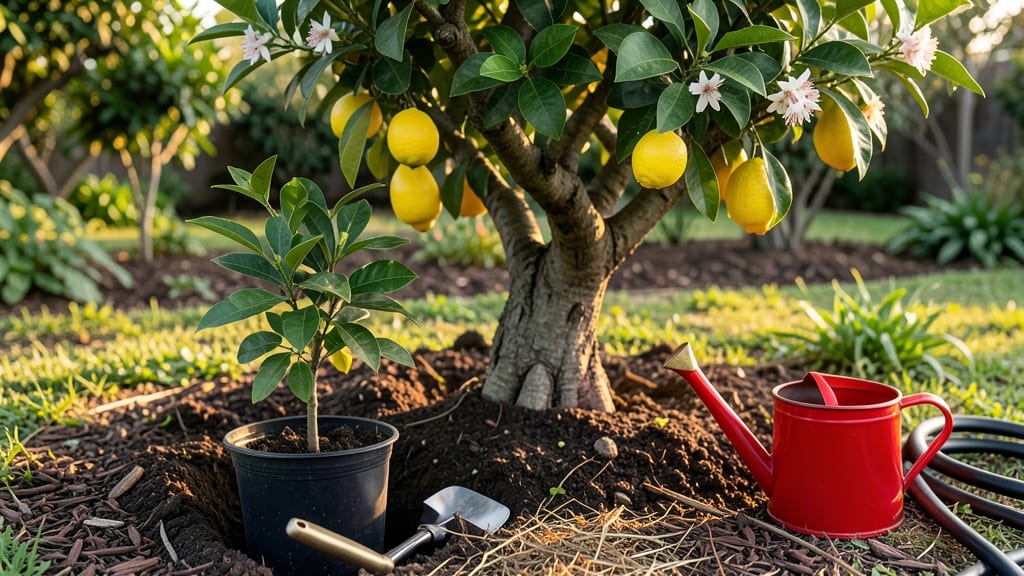
Planting a 🍊 citrus tree in Phoenix might seem simple—after all, the desert climate is practically made for these sun-loving plants. But timing your planting wrong can turn your dream orchard into a sad, stunted shrub.
The key to success? Planting during Phoenix’s coolest months when the sun isn’t relentless and the soil is workable.
If you’ve ever wondered why some citrus trees thrive while others struggle, the answer lies in the planting window. November through February offers the perfect balance—cool enough to reduce transplant shock but warm enough to encourage root growth.
Skipping this window means battling summer heat stress or dealing with soil that’s too dry or cracked to support new roots.
What makes Phoenix unique is its microclimates—urban areas can stay cooler than desert outskirts, and elevation changes can shift ideal planting times slightly.
Whether you’re planting in your backyard or a container on your patio, understanding these nuances is the difference between a healthy, fruit-bearing tree and one that barely survives.
In this guide, I’ll break down the exact months to plant, how to prep your soil, and what to watch for after planting so your citrus tree grows strong and starts bearing fruit faster. Let’s get started!
Best months to plant citrus trees in Phoenix’s climate zone
Phoenix’s USDA Zone 9b climate makes it one of the best places in the U.S. to grow citrus trees year-round—but planting timing still matters. Unlike frost-prone regions, Phoenix’s 365 frost-free days eliminate winter dormancy risks, but summer’s 110°F+ heat creates transplant shock hazards.
The ideal window aligns with cooler temperatures (60-75°F) and monsoon humidity to reduce stress.
Most local nurseries recommend planting between November and February, when daytime highs stay below 75°F and nighttime lows rarely dip below 50°F. This period gives roots 6-8 weeks to establish before summer’s peak heat arrives.
For container-grown trees, you can extend this window slightly into March, but avoid planting after April 15 unless using shade cloth.
Phoenix’s microclimates can shift timing by 2-4 weeks. Higher elevations (e.g., Scottsdale) may tolerate March planting, while urban heat islands (e.g., Downtown Phoenix) can push optimal timing to late November. Always check your specific microclimate conditions before scheduling.
Citrus trees thrive in Phoenix’s well-draining soils, but planting in summer or early fall risks root burn from intense sun exposure.
The University of Arizona Extension confirms that trees planted in November show 30% faster establishment than those planted in June, thanks to reduced evaporation and lower soil temperatures.
For container-grown citrus trees, the window expands slightly—you can plant as late as April 15 if using 5-gallon+ pots with self-watering systems. Containers heat up faster than ground soil, so add 3-4 inches of mulch to regulate temperatures.
Dwarf varieties like Meyer lemons adapt better to container stress than standard trees.
If you miss the ideal window, don’t despair—October is the second-best month, but you’ll need to provide afternoon shade for the first 30 days to prevent leaf scorch. Avoid planting in summer (May-September) unless you’re using professional shade cloth and a drip irrigation system.
Phoenix’s monsoon season (July-September) creates temporary relief from heat, but planting during this time increases fungal disease risks due to high humidity. If you must plant in summer, schedule it for early July when rains are consistent but temperatures haven’t peaked yet.
Always check your tree’s root flare before planting—it should sit 1-2 inches above soil level. Phoenix’s alkaline soils (pH 7.5-8.5)
Critical factors that determine your planting window
Phoenix’s microclimates—like urban heat islands and higher elevations—can shift the ideal planting window by 2-4 weeks. For example, Scottsdale’s desert edges may tolerate early October plantings, while higher-altitude areas (like Carefree) should wait until November. Always check your USDA Zone 9b-11 specifics and adjust accordingly.
Your citrus variety also dictates timing. Meyer lemons and Calamondins thrive when planted in November-December, while Valencia oranges and Satsuma mandarins prefer January-February. Dwarf varieties like Improved Meyer recover faster from transplant shock, so they can handle slightly earlier plantings.
Soil preparation is non-negotiable. Phoenix’s alkaline soil (pH 7.5-8.5) needs amendments like sulfur or peat moss to reach the ideal pH of 6.0-7.0. Test your soil 4-6 weeks before planting—this gives microbes time to adjust.
Without this step, your tree’s root uptake suffers, leading to chlorosis (yellowing leaves).
Rootstock type matters too. Sour orange rootstock (common for lemons) establishes faster in cooler months, while trifoliate orange rootstock (used for cold-hardy varieties) can handle late March plantings in sheltered microclimates. Always verify your nursery’s rootstock details before buying.