
Trees
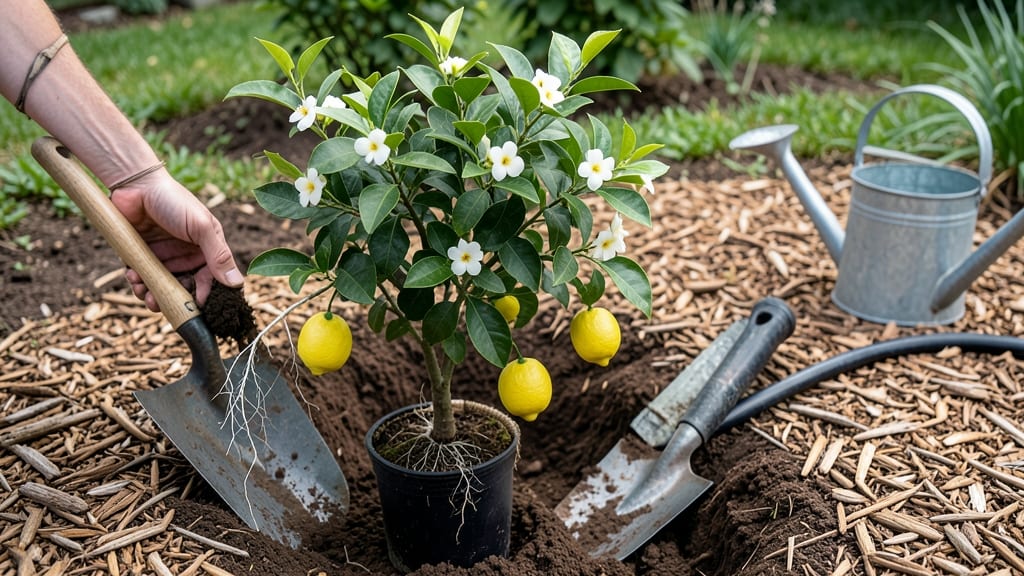
Planting a 🍋 lemon tree in Florida might seem simple—until you realize timing can make or break your tree's success. The key to strong root growth and bountiful harvests lies in understanding Florida's unique microclimates, from the frost-free North to the humid South.
While you can plant year-round in Florida's 9a-11 zones, late winter through early spring emerges as the sweet spot. This window gives young trees a head start before summer's intense heat, while avoiding the stress of sudden temperature swings that can occur in fall.
But here's where most Florida gardeners go wrong: rushing the process. Planting too early in cooler months can leave roots vulnerable, while waiting too long risks stunted growth before the harvest season. Let me show you exactly how to align planting with Florida's climate for optimal results.
From soil temperature checks to container planting hacks for cooler areas, we'll cover everything you need to know. Whether you're in North Florida's 9a zone or the tropical South, these insights will help your lemon tree thrive from day one.
Optimal Florida planting months for lemon trees based on variety
Florida’s frost-free climate means you can plant lemon trees year-round, but timing still matters for root establishment and fruit production. The best window spans from late winter to early fall, aligning with natural rainfall patterns and avoiding extreme heat stress.
For Meyer lemon trees (the most cold-hardy variety), I recommend planting between January and March. These trees thrive in cooler temperatures and benefit from Florida’s dry winter months, which reduce fungal risks during root development.
Eureka and Lisbon lemons prefer warmer soil, so I plant them between April and June. This timing avoids summer heat spikes while still giving roots time to establish before the hot, dry season begins in July.
In South Florida (zones 10-11), you can plant anytime—even in summer—because the climate stays consistently warm. However, I still prefer fall planting (September-November) to take advantage of higher humidity and natural rainfall during the tree’s critical early growth phase.
For North Florida (zones 8-9), where temperatures dip slightly in winter, I avoid planting between December and February. The cooler soil temperatures can slow root growth, making trees vulnerable to transplant shock.
🍋 Florida Lemon Tree Planting Guide by Variety & Region
| Variety | Best Planting Months | Ideal Soil Temp | North FL Notes | South FL Notes |
|---|---|---|---|---|
| Meyer Lemon | Jan-Mar, Sep-Nov | 60°F+ | Cold-hardy; avoid winter | Year-round possible |
| Eureka Lemon | Apr-Jun, Sep | 65°F+ | Use containers for mobility | Best in fall |
| Lisbon Lemon | Feb-Apr, Aug-Oct | 70°F+ | Avoid summer heat | Year-round with care |
🌱 Pro Tip: Container-grown trees adapt better to off-season planting in Florida’s cooler regions.
If you must plant during summer months (June-August), I strongly recommend using container-grown trees to control soil moisture and temperature. The intense heat can cause transplant shock, so I always add shade cloth for the first 4-6 weeks.
For bare-root trees, I plant them in winter (December-February) when the ground is cool but not frozen. This gives roots time to establish before the spring growing surge begins. However, Florida’s mild winters often make this timing less critical than in colder climates.
Remember: Meyer lemons produce fruit year-round, while Eureka and Lisbon have peak harvests in winter. Planting at the right time ensures your tree aligns with Florida’s natural fruit-bearing cycles and avoids bloom failure from temperature stress.
For container planting in North Florida, I move trees indoors during December-January to protect them from rare cold snaps. This also gives me control over watering and light during the dormant season.
Signs your Florida soil and climate are ready for lemon tree planting
Florida’s frost-free climate means you can plant lemon trees year-round—but that doesn’t mean every day is ideal. The key is waiting for soil temperatures above 60°F and stable humidity levels to ensure strong root establishment.
In North Florida, aim for late spring (April-May) when daytime temps consistently stay warm, while South Florida gardeners can plant almost anytime, though early spring (February-March) offers perfect conditions.
Your soil must also be well-draining with a slightly acidic pH (6.0-7.0). Compacted or waterlogged soil can suffocate roots, leading to root rot—a common killer of young lemon trees. If your soil feels heavy when moist, amend it with compost or sand before planting.
Florida’s sandy soils (common in Central and South regions) may need extra organic matter to retain moisture.
Pay attention to humidity levels—too much moisture in the air can encourage fungal diseases like citrus greening or root rot.
If your area experiences high humidity (common in summer), plant in well-aerated soil and avoid overwatering. South Florida’s coastal regions often have higher humidity, so choose a slightly elevated planting spot to improve drainage.
⚠️ Warning: Avoid Planting During Florida’s Wet Seasons
June-September brings Florida’s heavy rains and hurricane season, which can drown young roots. If you must plant during this time, use a raised bed or container to control moisture. Also, never plant during a forecasted storm—wait until conditions stabilize to prevent erosion or waterlogging.
Check for pests like citrus leaf miners or aphids before planting. If you spot yellowing leaves or sticky residue on nearby plants, treat the area with neem oil or insecticidal soap 2-3 weeks before planting.
Florida’s warm winters mean pests are active year-round, so proactive care is essential. Meyer lemon trees are slightly more resistant to pests than Eureka or Lisbon varieties, but all benefit from a clean planting site.
Finally, observe local microclimates. Even within Florida, coastal areas (like Miami) stay warmer than inland regions (like Orlando).
If you’re in North Florida’s Panhandle, where cool snaps can dip below 40°F, plant in containers for mobility or choose dwarf varieties that recover faster from cold stress. South Florida’s heat is the bigger challenge—young trees may need afternoon shade during the first few months.
With these signs in mind, you’ll know exactly when your Florida soil and climate are primed for planting—setting your lemon tree up for lush growth and abundant fruit. The right timing isn’t just about the calendar; it’s about reading your local conditions like a pro. 🌱🍋