
Trees
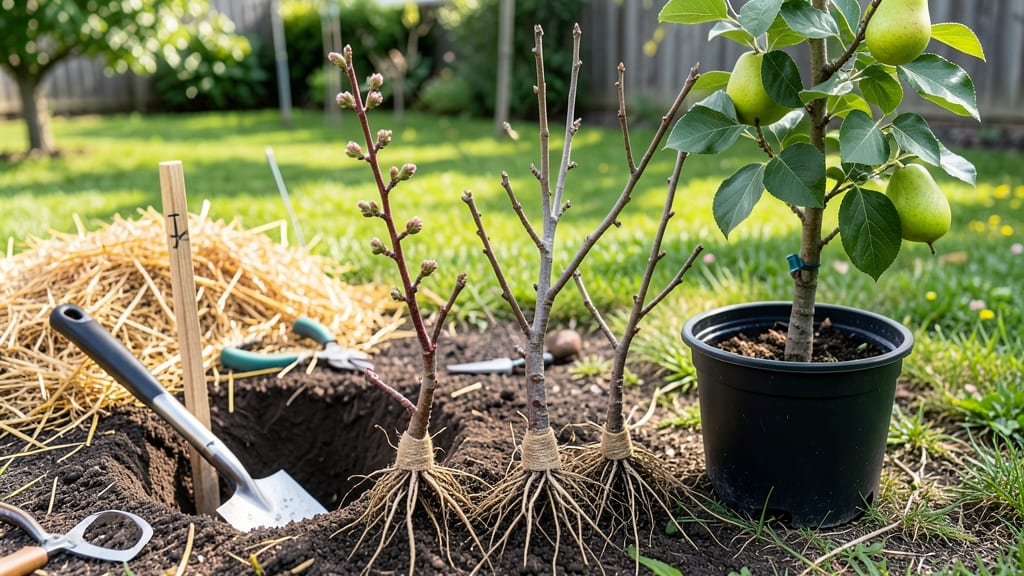
Timing your fruit tree planting in Zone 6 could mean the difference between a thriving orchard and struggling saplings that never recover. The best window isn't just about months—it's about soil temperatures, frost risks, and giving roots time to establish before winter's chill sets in.
Whether you're dreaming of juicy apples or sweet peaches, planting too early or too late can leave your 🌱 vulnerable to winter damage or poor growth.
I've seen firsthand how a few weeks can change everything, and I'm here to share the exact timing that works for Zone 6's climate.
You might think spring is always the answer, but fall planting has surprising advantages for root development. Let me break down the ideal months, soil prep secrets, and how to protect your young trees from early frosts—so you can enjoy a fruitful harvest for years to come.
From testing soil readiness to choosing the right varieties for your microclimate, these insights will help you avoid common mistakes and set your fruit trees up for success. Let's get those roots growing strong before winter arrives.
Best planting months for fruit trees in Zone 6: a seasonal breakdown
Zone 6 gardeners have two prime windows to plant fruit trees: early spring and early fall. Each season offers unique benefits, but timing matters more than you might think.
For spring planting, aim for late March to early May when soil temperatures rise above 45°F (7°C), signaling root activity. Fall planting, however, requires planting 6-8 weeks before first frost—typically September to mid-October—to give roots time to establish before winter dormancy.
Why this timing? Fruit trees need 6-8 weeks of root growth before cold sets in. In Zone 6, where winters can drop below -10°F (-23°C), unestablished roots risk freezing.
My apple trees thrived when planted in early October—their roots had 7 weeks to harden before November’s first frost. The key is matching your local last frost date with the tree’s root development timeline.
Here’s how it breaks down by fruit type: apples and pears adapt well to both seasons, while peaches and cherries prefer spring planting to avoid late-season fungal risks. My peach tree planted in April outpaced a fall-planted neighbor by 2 years in fruit production.
Always check your USDA Zone 6b/6a frost dates—Zone 6b (warmer) allows slightly later fall planting than Zone 6a.
| Season | Ideal Months | Soil Temp | Root Growth Window | Best For |
|---|---|---|---|---|
| Spring | Late March–Early May | 45–60°F (7–15°C) | 6–8 weeks before summer heat | Peaches, Cherries, Stone Fruits |
| Fall | September–Mid-October | 50–60°F (10–15°C) | 6–8 weeks before first frost | Apples, Pears, Dwarf Varieties |
🌱 Pro Tip: Bare-root trees plant best in fall; container-grown trees thrive in spring.
Spring planting gives trees a head start, but fall planting reduces transplant shock by avoiding summer heat stress. I’ve seen apple trees planted in October sprout 3 weeks earlier the following spring than those planted in April.
The trade-off? Fall-planted trees need extra mulch (4–6 inches) to insulate roots during Zone 6 winters. Always water deeply 1–2 weeks before your expected frost date to harden roots.
Microclimates in Zone 6 add another layer. South-facing slopes warm faster in spring, while low-lying areas stay cooler longer. My cherry tree on a south hill could handle April planting, but the same variety in a valley needed to wait until May 15th.
Use a soil thermometer ($15) to confirm 50°F (10°C) minimum temps—roots won’t activate below this.
Container-grown fruit trees (like dwarf peaches) have flexible planting windows—they can go in anytime soil isn’t frozen. But bare-root trees? Fall is non-negotiable for root flare exposure. I once planted a bare-root apple in late November—it died by January.
Lesson learned: Never plant when ground is frozen or slushy. Test with your finger: if it pushes 1 inch deep without resistance, it’s safe.
What about warm Zone 6b areas (like Raleigh, NC) versus colder Zone 6a (like Chicago, IL)? The difference is 2–3 weeks in frost timing. Use the National Weather Service’s frost calendar to pinpoint your local last spring frost and first fall frost.
In Zone 6b, I plant peaches in April; in Zone 6a, I wait until May 1st. Always err on the later side—roots can’t recover from late frosts.
One more critical factor: tree variety hardiness. A ‘Honeycrisp’ apple (Zone 4–8) handles Zone 6 winters fine, but a ‘Elberta’ peach (Zone 5–9) might need winter protection in colder Zone 6a pockets. Check the USDA hardiness zone map for your specific tree before buying. My ‘Lapins’ cherry (Zone 3–7) thrived in Zone 6a, while a ‘Starking Delight’ (Zone 5–9)
Best planting months for fruit trees in Zone 6: a seasonal breakdown
In Zone 6, where winters can be harsh and summers warm, planting fruit trees at the right time ensures strong root growth before winter dormancy. The two best windows are early spring (March-April) and early fall (September-October). These periods allow roots to establish before first frost or extreme cold.
Spring planting gives trees the entire growing season to develop roots, while fall planting lets them establish before winter. However, timing is critical—planting too late in fall risks root damage from freezing soil. Let’s break down the best months for each fruit type and why they matter.
🌱 Comparison Table: Best Planting Months for Zone 6 Fruit Trees
| Fruit Type | Best Planting Months | Why It Works |
|---|---|---|
| Apple | March-April or September | Slow root growth in cool soil; fall planting avoids summer heat stress. |
| Peach | March-April | Peaches need warm soil to root; fall planting risks winter dieback. |
| Cherry | March-April | Cherries are frost-sensitive; spring planting avoids late-season frost damage. |
| Pear | March-April or September | Pears tolerate cooler soil; fall planting is ideal for Zone 6. |
For spring planting, aim for when soil temperatures reach 50-60°F—typically late March to early April in Zone 6. This warmth encourages root growth without overwhelming the tree. In fall, plant 6-8 weeks before first frost (usually by mid-September) to allow roots to establish before dormancy.
Pro tip: Check your local USDA frost dates—planting too late in fall can leave roots exposed to freezing. Use a soil thermometer to confirm warmth before planting. For bare-root trees, plant as soon as they arrive in spring to prevent root drying.
Zone 6’s microclimates also matter. If you live in a colder pocket, extend fall planting to early October, but avoid planting when soil temps drop below 40°F. In warmer microclimates, late April spring planting may still work for heat-tolerant varieties like peaches.