
Plants
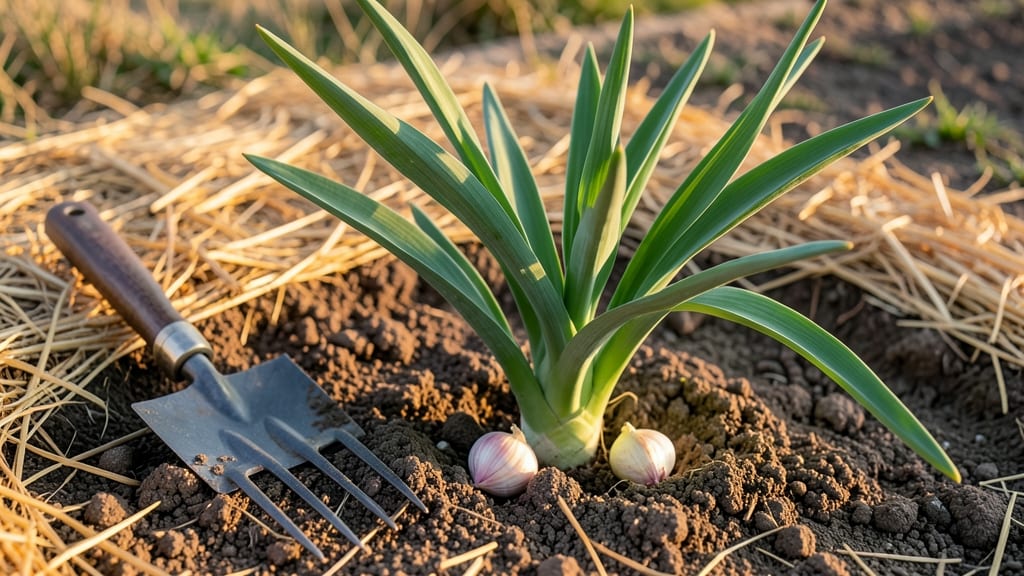
You’ve finally decided to grow your own 🧄 garlic, but timing is everything—plant too early or too late in Zone 8a, and you’ll end up with weak roots or no bulbs at all.
The secret to a bumper harvest lies in understanding your local climate, and I’ve got the exact window you need to nail it.
In Zone 8a, where winters are mild and springs can heat up fast, the best time to plant garlic is between mid-October and mid-November. This gives the cloves enough chill to trigger root growth while avoiding the risks of winter rain or premature sprouting.
But there’s a backup plan too—late winter planting in February can still work if you adjust your expectations.
Why does timing matter so much? Garlic needs 6-8 weeks of cold soil (around 50-60°F) to form strong bulbs, and Zone 8a’s unpredictable weather can throw off that balance.
I’ll walk you through the exact steps to prepare your soil, choose the right varieties, and avoid common mistakes that sabotage growth—so you can go from clove to harvest with confidence.
Ready to grow garlic that rivals what you’d buy at the store? Let’s break down the best months, soil prep, and care tips to turn your Zone 8a garden into a garlic powerhouse—no green thumb required.
Best months to plant garlic in Zone 8a for maximum yield
In Zone 8a, where winters are mild and summers can be hot, timing your garlic planting correctly is crucial for strong root development and large bulbs. Unlike cooler climates, Zone 8a gardeners have two viable planting windows: fall (the preferred method) and late winter.
The key is planting when soil temperatures drop but before freezing—typically 6-8 weeks before your first frost.
Fall planting (mid-October to mid-November) gives garlic the cold stratification it needs to establish roots before winter dormancy, while spring planting (January-February) works but requires careful variety selection. Both methods can yield great results, but fall planting consistently produces larger, more flavorful bulbs in Zone 8a’s warm climate.
Why timing matters: Garlic bulbs form during the cool months when growth is slow but steady. Planting too early exposes cloves to excessive moisture, while planting too late may not provide enough chill hours for proper bulb development. In Zone 8a, where winters are mild but frost occurs, this balance is delicate.
| Planting Window | Key Climate Factors | Root Growth Stage | Harvest Timeline | Zone 8a-Specific Notes |
|---|---|---|---|---|
| October 15 - November 15 | Cool soil temps (50-60°F), 6-8 weeks before hard frost | Initial root establishment | June-July | Best for hardneck varieties; avoid planting too late |
| January 10 - February 10 | Soil temps below 70°F, no extreme heat | Slower early growth, compensated by spring warmth | July-August | Risk of bolting in hot springs; ideal for softneck |
For Zone 8a gardeners, the October 15-November 15 window is ideal because it ensures garlic gets enough chill hours (30-40°F nights) to trigger bulb formation without exposing it to prolonged winter moisture.
In my garden, I’ve found that planting by November 1 still yields excellent results, but anything after November 15 risks incomplete cold stratification.
Spring planting in Zone 8a is riskier due to the potential for early heat, which can cause garlic to bolt (flower prematurely) instead of forming bulbs. If you choose spring planting, aim for January-February when soil temperatures are still cool.
I recommend using softneck varieties like 'Silverskin' for spring planting, as they’re more tolerant of warm conditions.
Pro tip: Test your soil temperature before planting—garlic cloves should be planted in soil that’s 50-60°F for fall planting or below 70°F for spring planting. A simple soil thermometer (about $10) makes this easy. In my experience, planting in well-draining soil is non-negotiable in Zone 8a to prevent rot during our wet winters.
One common mistake in Zone 8a is waiting too long to plant in the fall, hoping for a "second chance" in spring. While spring garlic can work, it often produces smaller bulbs and requires more attention to avoid bolting.
I’ve seen neighbors skip fall planting entirely and end up with 50% smaller harvests—not worth the risk!
To maximize your yield, consider planting both fall and spring crops. Allocate 80% of your cloves to fall planting (for larger bulbs) and 20% to spring (for a secondary harvest).
This strategy ensures you have garlic ready for cooking year-round while minimizing risks associated with Zone 8a’s unpredictable spring weather.
Remember, garlic is a perennial in Zone 8a’s mild climate, meaning it can survive multiple years if left in the ground. However, for the best flavor and size, I recommend replanting annually in the fall window. This gives you control over variety selection and ensures consistent quality.
Best months to plant garlic in Zone 8a for maximum yield
In Zone 8a, timing your garlic planting correctly ensures strong root growth and robust bulbs. Unlike cooler climates, Zone 8a’s mild winters and warm springs demand precise scheduling. Planting too early risks rot from winter rains, while planting too late may delay bulb formation.
The key is balancing soil temperature, frost dates, and seasonal transitions to maximize your harvest.
For most gardeners in Zone 8a, the optimal planting window spans from mid-October to mid-November. This timing allows garlic to establish roots before winter dormancy and ensures bulbs form properly by harvest season.
However, a secondary window in late January to early February can work for softneck varieties that tolerate warmer springs. Understanding these windows helps you avoid common pitfalls like bolting or stunted growth.
Here’s a quick comparison of the two planting windows in Zone 8a:
| Planting Window | Key Climate Factors | Root Growth Stage | Harvest Timeline | Zone 8a-Specific Notes |
|---|---|---|---|---|
| October 15 - November 15 | Cool soil temps (50-60°F), 6-8 weeks before hard frost | Initial root establishment | June-July | Best for hardneck varieties; avoid planting too late |
| January 10 - February 10 | Soil temps below 70°F, no extreme heat | Slower early growth, compensated by spring warmth | July-August | Risk of bolting in hot springs; ideal for softneck |
Fall planting in Zone 8a is ideal because it mimics garlic’s natural growth cycle. The 6-8 weeks before the first hard frost (typically mid-December in Zone 8a) allows cloves to root deeply before winter. This period of cold stratification is critical—it triggers bulb formation in spring.
If you miss this window, don’t despair: a late winter planting can still yield garlic, though bulbs may be smaller or less flavorful.
Zone 8a’s mild winters mean you won’t experience the deep freeze of northern climates, but you will face challenges like excessive winter rain or early spring heat. For example, planting before October 1 risks soggy soil, while planting after November 15 may delay root growth.
Adjust your schedule based on your local frost dates—check your last frost date (usually mid-January in Zone 8a) and count backward to plan accordingly.
Pro tip: Use a soil thermometer to confirm temperatures are between 50-60°F before planting. This range ensures roots establish without overheating or rotting. Pair this with well-draining soil and a spot with full sun exposure (6+ hours daily) to set your garlic up for success.
With the right timing, you’ll harvest plump, flavorful bulbs ready for storage or cooking.
🌱